

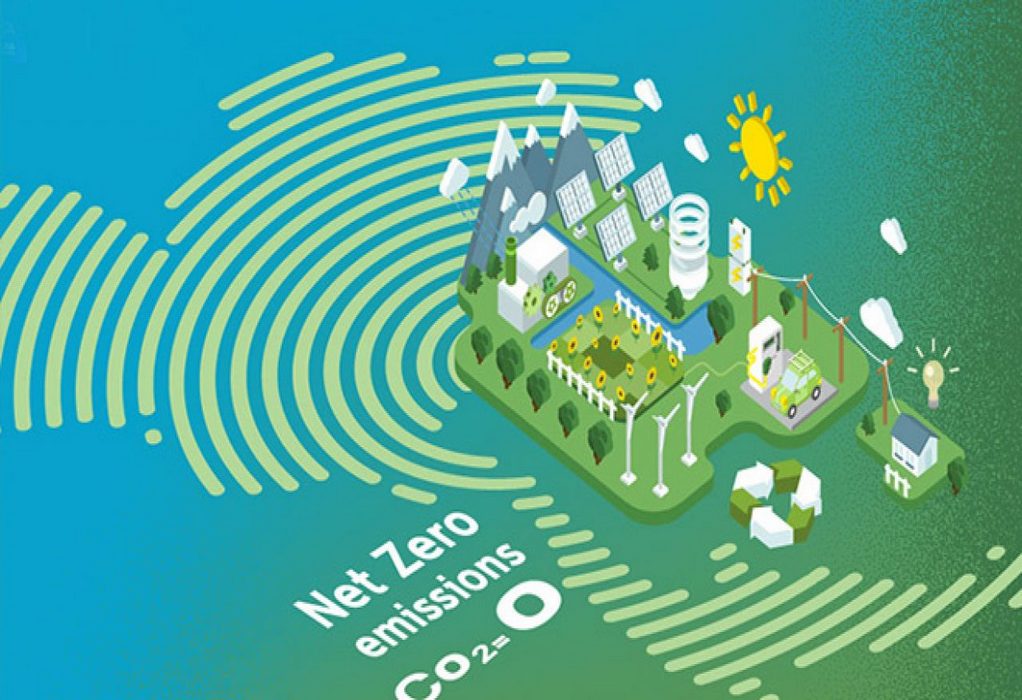
Singapore has set a new pathway to accelerate the transition to net zero emissions with hydrogen seen as a major energy source that could supply up to half of the country’s power needs by 2050. The city-state has tightened its national climate target and plans to achieve net zero emissions by 2050 and peak its emissions before its previously stated deadline of 2030.
Low-carbon hydrogen, including its derivatives such as ammonia, has emerged as a key potential pathway for Singapore, Deputy Prime Minister and Minister for Finance, Lawrence Wong, said in a speech at Singapore International Energy Week (SIEW).
The government will take steps to prepare for hydrogen deployment domestically and work with partners to build a hydrogen supply chain in Asia. The strategy comprises five key thrusts.
The first step will see Singapore issue an expression of interest for a small-scale commercial project utilising low-carbon ammonia for power generation. “With this, Singaporeans may start to have access to electricity generated from low-carbon hydrogen from 2027,” Wong said, adding this step would also include developing ammonia supply chains to also support marine bunkering needs.
A further S$129m ($90.6m) will be set aside to support hydrogen research and development on top of the S$55m funding awarded in October.
Beyond that, the government will be working to develop hydrogen trading by creating standards and frameworks such as a guarantee of origin to certify the low-carbon origin of imported hydrogen. Land and infrastructure plans will also be developed to import, store and transform hydrogen into power.
Recent Posts
Ammonia
Reliance Industries Limited (RIL) has signed a binding long-term supply and purchase agreement (SPA) with Samsung C&T Corporation for the export of green ammonia over a 15-year period.
Bunkering
Ofiniti Raises $6.8 Million to Scale Digital Bunkering Platform for Global Shipping
Hydrogen
Hefring Marine and Ecomar Propulsion partner to deploy monitoring system on hydrogen-electric vessel