
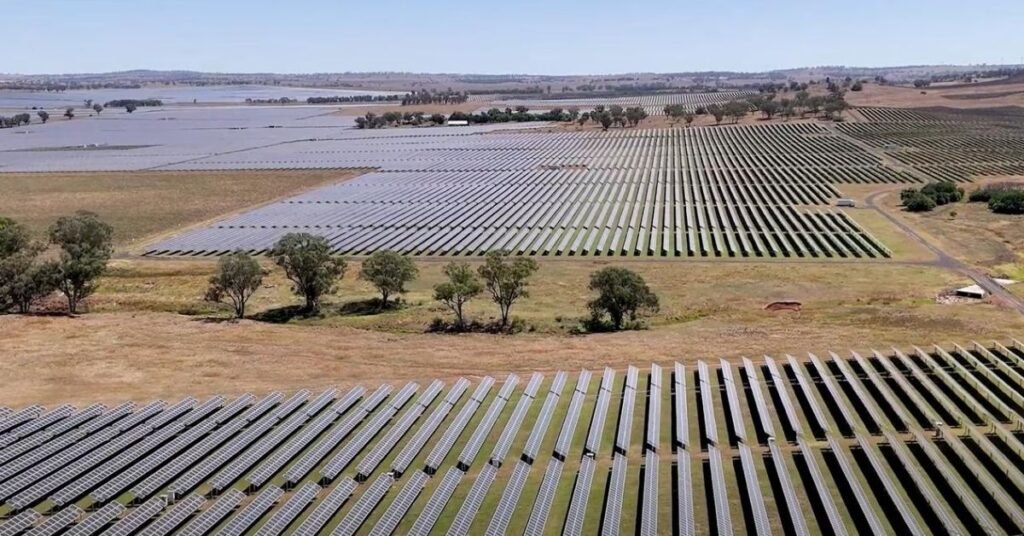
The Australian Renewable Energy Hub (AREH) in Western Australia, originally envisioned as a 26 GW renewable-energy complex with very large hydrogen and ammonia production, has substantially reduced its initial ambitions. The latest proposal focuses on roughly a 1 GW first phase, after developers withdrew the revised ammonia-focused configuration amid commercial challenges.
BP had already exited its 40.5% stake in 2025 after difficulties securing sufficient customer commitments.
Commercial implication: The green-hydrogen market’s bottleneck remains bankable demand, not renewable-resource potential. Huge projects cannot reach investment decisions simply because renewable energy is abundant or governments support the concept.
For India, this is an important warning as very large green-ammonia and green-methanol capacities are announced: the key questions should be who is buying, for how long, and at what price.
Recent Posts
Marine
Singapore Unveils Ammonia Bunkering Standard, First Ethanol Bunkering and LNG Storage Plans
Ammonia
Singapore Launches TR 148 Ammonia Bunkering Standard and Model Contract to Prepare for Ammonia-Fuelled Ships
Policy
China Targets Doubling New Energy Inland Vessels by 2028 Under 2026-2030 Action Plan