

The Ministry of Heavy Industries has announced progress in the deployment of electric vehicle (EV) charging infrastructure across India, as part of the broader efforts to support the adoption of electric mobility.
In a written response in the Rajya Sabha, Minister of State for Heavy Industries and Steel, Bhupathiraju Srinivasa Varma, stated that private entrepreneurs have been enabled to install public charging stations following guidelines issued by the Ministry of Power. The directive, dated 17 September 2024 (Letter No. 12/2/2018-EV), provides a framework to facilitate these installations.
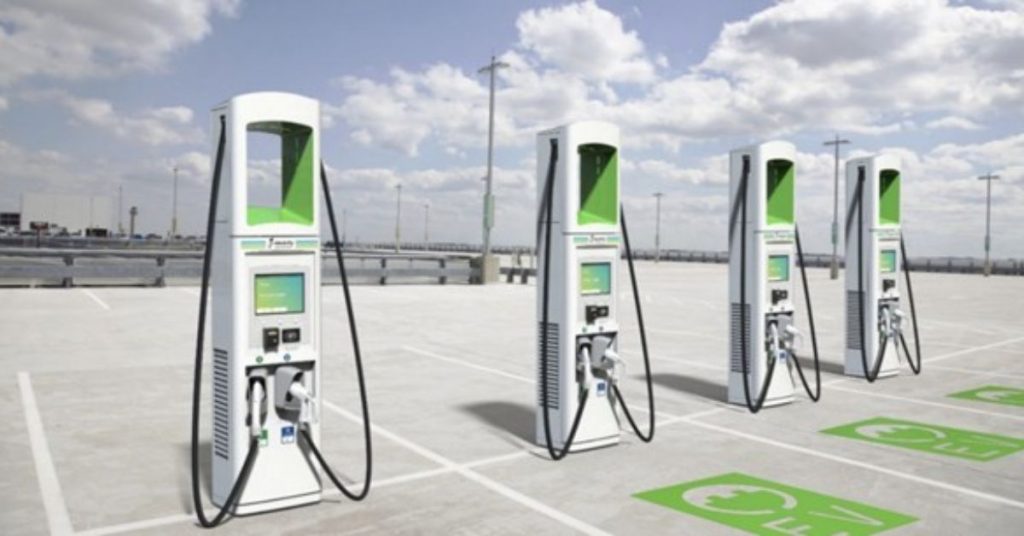
According to data from the Ministry of Power (MoP), a total of 29,277 public EV charging stations (EVCS) have been installed across the country. A state-wise breakdown of these installations has been provided in an official annexure. However, the Ministry clarified that details regarding the average charging time at these facilities are not currently tracked.
To strengthen the charging network further, the government has allocated Rs.2,000 crore under the PM E-DRIVE Scheme. The funds will support the development of charging infrastructure for different categories of vehicles on a nationwide scale. The scheme is being implemented in coordination with Central Ministries, State Governments, Central Public Sector Enterprises (CPSEs), and other relevant authorities.
Beyond urban areas, the initiative includes plans to develop selected inter-city and inter-state highways to support electric vehicle travel, with the goal of creating a more comprehensive and accessible EV charging ecosystem.
Additionally, MoP has issued two key sets of guidelines to standardize the development of charging infrastructure. The ‘Guidelines for Installation and Operation of Electric Vehicle Charging Infrastructure – 2024’ were released in September 2024, followed by the ‘Guidelines for Installation and Operation of Battery Swapping and Charging Stations’ in January 2025. These documents outline the technical protocols, safety norms, and operational requirements necessary for establishing a nationwide network of EV charging and battery swapping facilities.
Recent Posts
Ammonia
Reliance Industries Limited (RIL) has signed a binding long-term supply and purchase agreement (SPA) with Samsung C&T Corporation for the export of green ammonia over a 15-year period.
Bunkering
Ofiniti Raises $6.8 Million to Scale Digital Bunkering Platform for Global Shipping
Hydrogen
Hefring Marine and Ecomar Propulsion partner to deploy monitoring system on hydrogen-electric vessel