

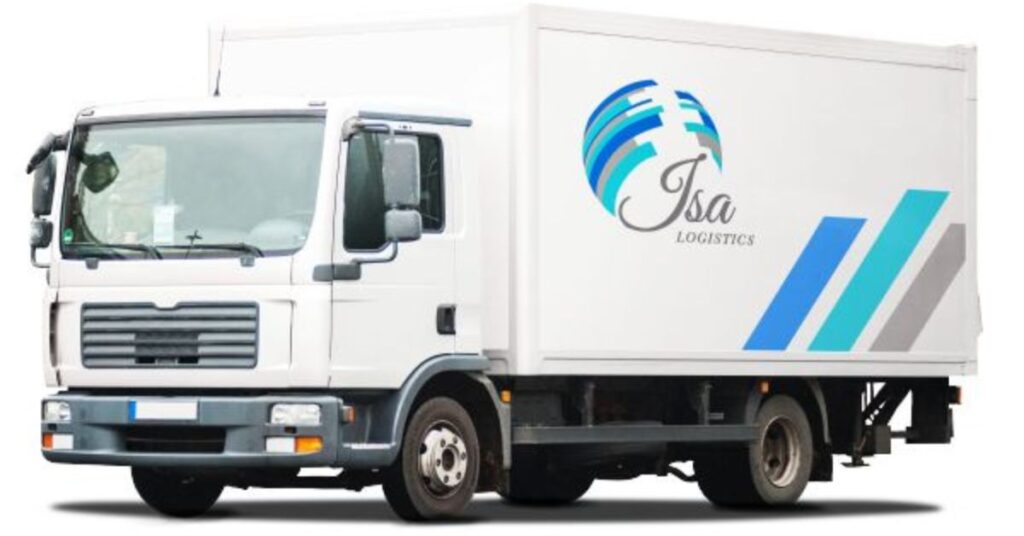
Isa Logistics has announced the launch of its electric vehicle (EV) integration program, aimed at transitioning part of its transport fleet to electric mobility. The initiative comes as India’s commercial EV market is projected to expand at an annual rate of more than 40 percent through 2030, supported by government incentives and advances in battery technology.
The program aligns with recent policy measures such as reduced Goods and Services Tax rates on EVs and components, as well as incentives under the second phase of the Faster Adoption and Manufacturing of Electric Vehicles scheme. India’s public charging infrastructure has also expanded, with over 2,500 charging points now operational across the country. Isa Logistics has structured its EV rollout in phases, beginning with light-duty vans and last-mile delivery vehicles.
The company currently operates 126 company-owned trailers and manages more than 50 units through aggregator partnerships. Its transport team uses real-time tracking systems for monitoring cargo movement. The addition of EVs is expected to reduce fuel expenses, lower maintenance needs, and improve route planning.
“Integrating EVs into our fleet is not only a step towards environmental responsibility but also a strategic business decision that ensures efficiency, cost-effectiveness, and a sustainable future for our operations,” said Suresh Suvarna K, Director of Transport, Isa Logistics.
He added that the company is exploring “AI-driven route optimization” as part of its long-term vision. “Our long-term vision extends beyond simply running electric trucks: we aim to develop long term sustainable plan, collaborate with infrastructure partners, and harness advanced telematics to push logistics performance to new heights. By doing so, Isa Logistics will serve as a catalyst for decarbonizing India’s supply chains while delivering unparalleled service quality.”
Isa Logistics said the program will be rolled out over the coming quarters and will include collaborations with charging network operators and ongoing publication of performance metrics.
Recent Posts
Ammonia
Reliance Industries Limited (RIL) has signed a binding long-term supply and purchase agreement (SPA) with Samsung C&T Corporation for the export of green ammonia over a 15-year period.
Bunkering
Ofiniti Raises $6.8 Million to Scale Digital Bunkering Platform for Global Shipping
Hydrogen
Hefring Marine and Ecomar Propulsion partner to deploy monitoring system on hydrogen-electric vessel