
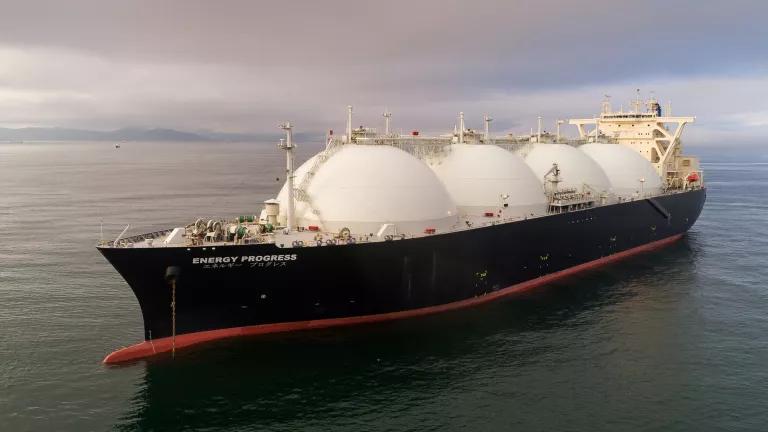
A joint venture is developing the first dedicated liquefied natural gas (LNG) bunkering facility for ships in the U.S. Gulf amid efforts by the maritime industry to find cleaner fuel solutions.
Shipping, which accounts for nearly 3% of global CO2 emissions and is under pressure from investors and environmental groups to accelerate decarbonisation, is exploring a number of other technologies including ammonia, methanol and wind in an effort to move away from dirtier bunker fuel.
Seapath, a subsidiary of global business group Libra, and Houston-based energy infrastructure company Pilot LNG have formed a joint venture to develop, construct, and operate the LNG bunkering facility in the greater Houston/Galveston area of Texas, with operations set to begin in early 2026, the companies said.
The facility, as currently planned, will produce 300,000 gpd (gallons per day) of LNG, rising by an additional 150,000 gpd as needed. There will be a storage capacity of 2 million gallons on site, with the ability to raise capacity with a second 2 million gallon storage tank, Otto said.
The project will have an initial investment of approximately $150 million and will be designed to deliver bio-LNG and renewable LNG, in addition to traditional LNG, to make the facility as sustainable as possible.
The majority of more than 300 coastal and inland ports in the U.S. require significant investment due to creaking infrastructure, according to industry estimates.
Recent Posts
Marine
Singapore Unveils Ammonia Bunkering Standard, First Ethanol Bunkering and LNG Storage Plans
Ammonia
Singapore Launches TR 148 Ammonia Bunkering Standard and Model Contract to Prepare for Ammonia-Fuelled Ships
Policy
China Targets Doubling New Energy Inland Vessels by 2028 Under 2026-2030 Action Plan