

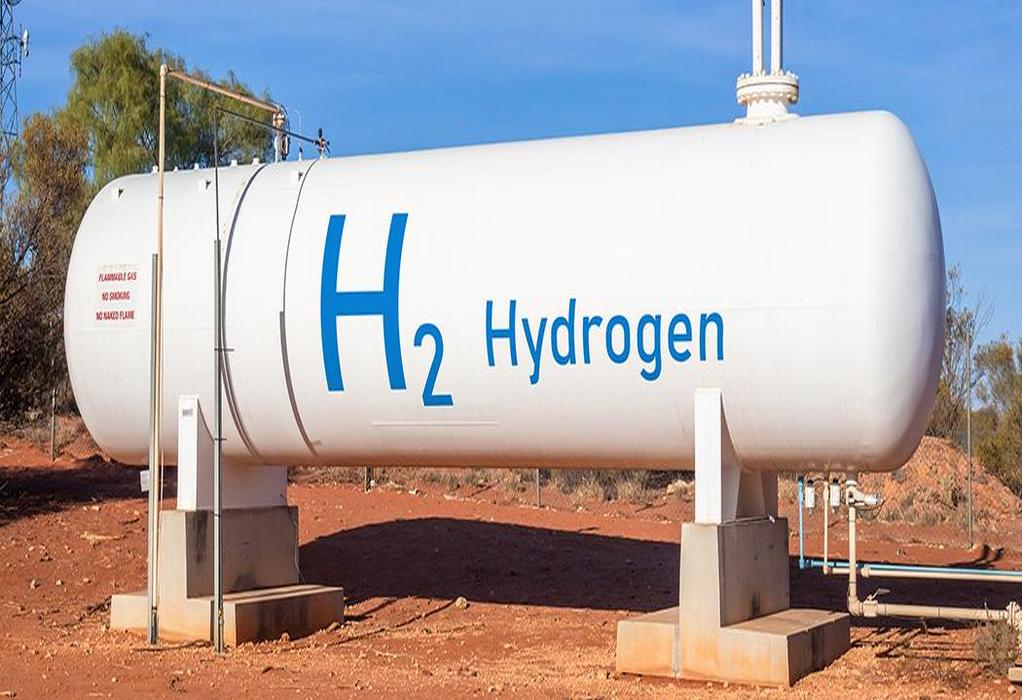
Hydrogen could play an important role in helping hard-to-abate sectors meet climate targets. Countries with hydrocarbon resources and industry expertise can help build and scale the needed technology. According to McKinsey research, total hydrogen demand can reach 600 to 660 million tons by 2050, abating more than 20 percent of global emissions. That said, realizing

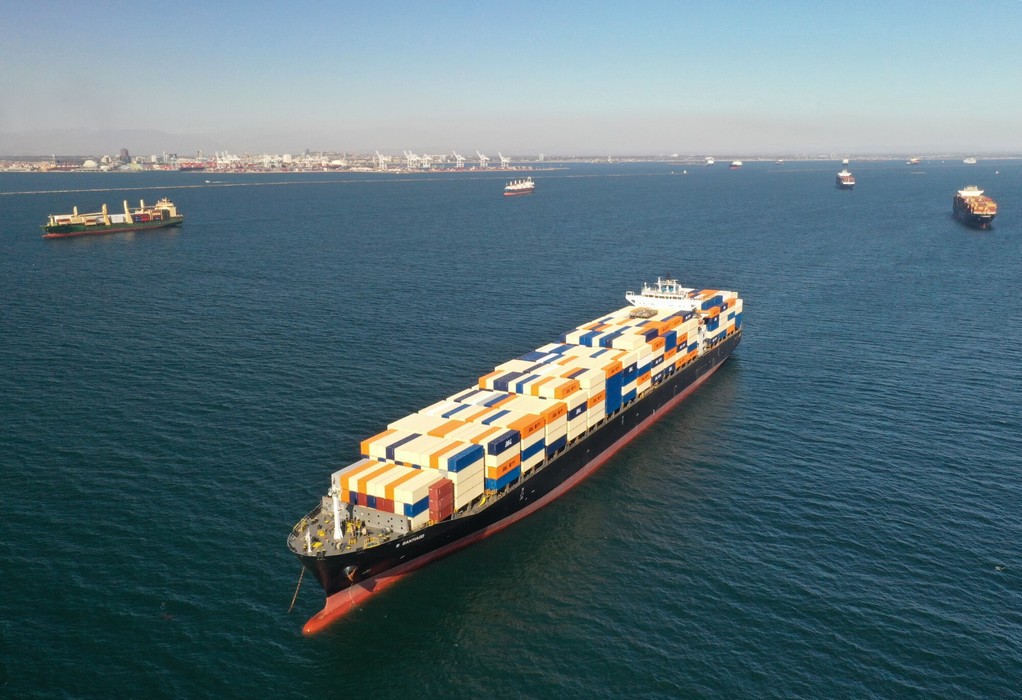
Biofuel, produced from plants and other feedstocks to replace traditional fossil-based fuels, are gaining a foothold in the multipurpose and heavy lift shipping industry. Various trials are under way at a number of carriers. The German heavy lift shipping line’s sustainability strategy, it added, has three core focus points: reducing carbon emissions, responsible consumption, and
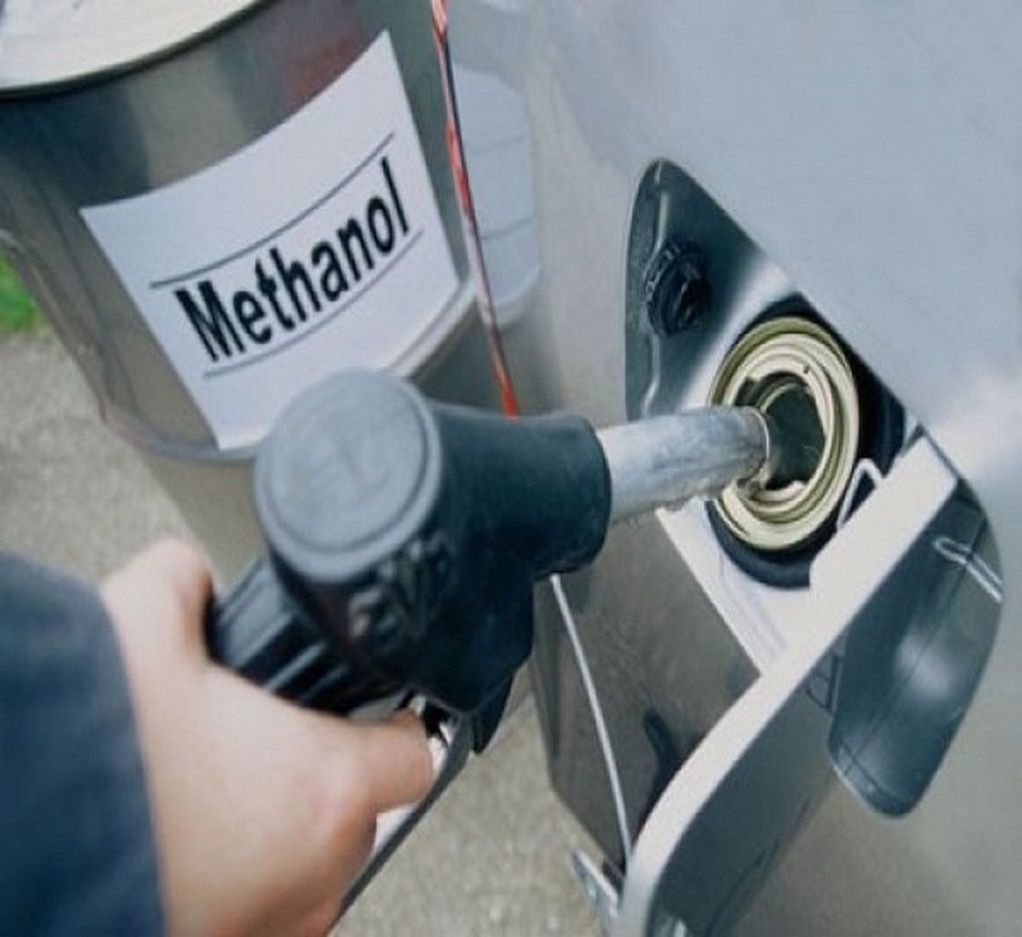
Korean Register (KR) and Ulsan Port Authority (UPA) have signed an MOU to support methanol-fueled ships and establish the South Korean port as a low-carbon, eco-friendly energy hub. A growing number of dual fuel methanol vessels are being ordered by international shipping companies, and in October South Korean shipping company KSS Marine took delivery of
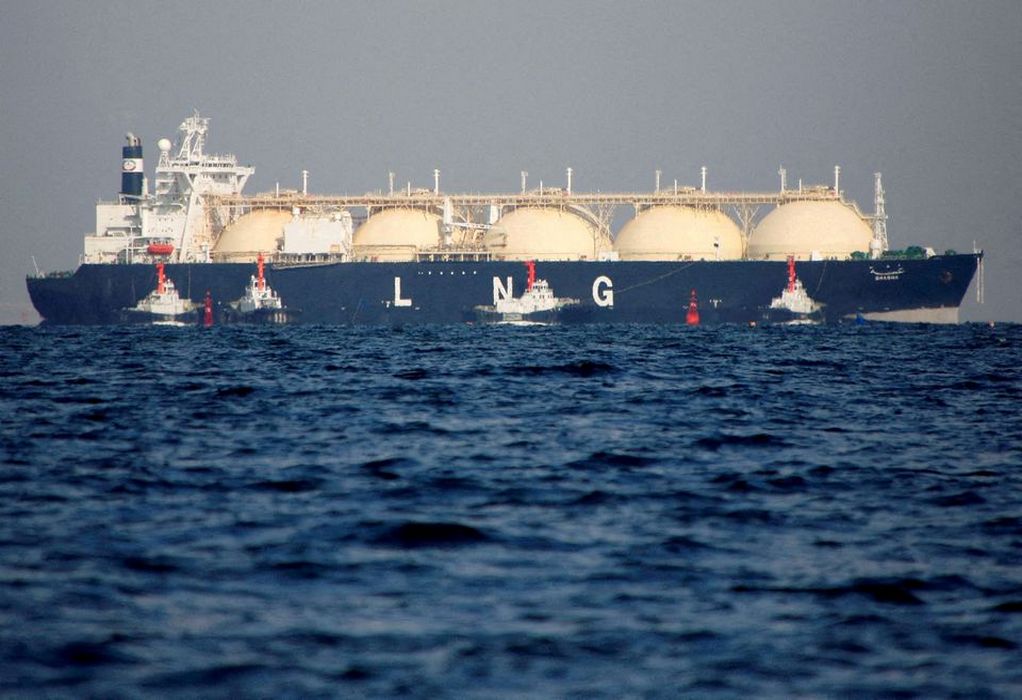
Sempra Infrastructure and ConocoPhillips have executed a 20-year sale and purchase agreement for 5m tonnes per annum (Mtpa) of liquefied natural gas (LNG) from Phase 1 of Sempra Infrastructure’s proposed Port Arthur LNG project in Jefferson County, Texas. The two companies have signed two more agreements through which ConocoPhillips will acquire 30% of the equity
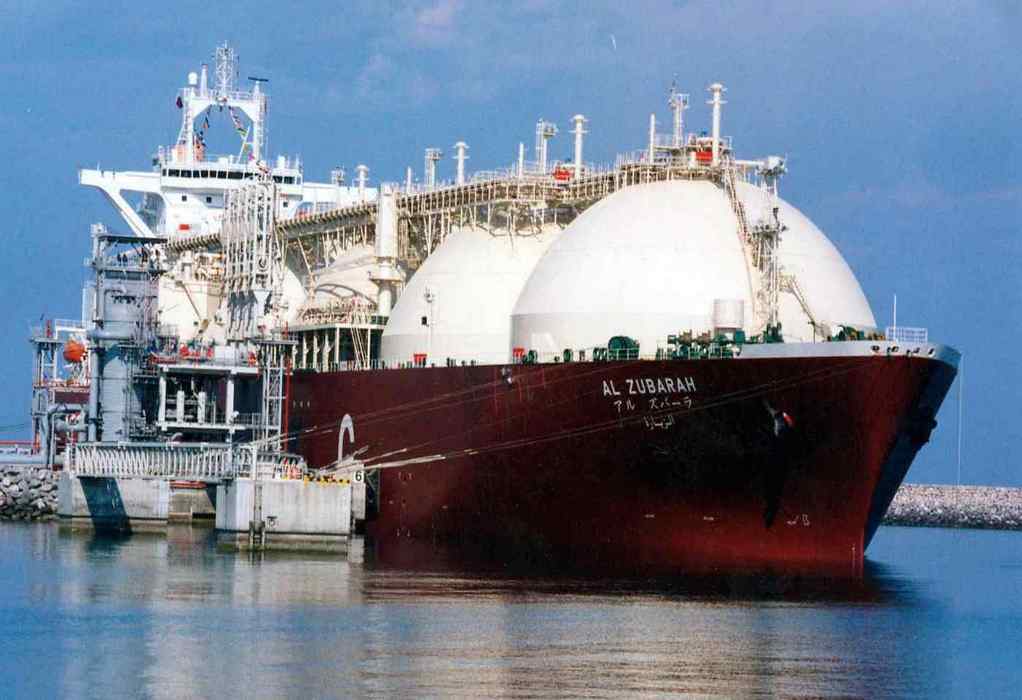
Seapeak has booked five liquefied natural gas (LNG) carriers for construction at South Korea’s Samsung Heavy Industries (SHI). Stonepeak’s gas ship owner is paying around $1.1bn for the 174,000 cu m ships expected for delivery in 2027. The newbuilds are backed by ten-year charters with an unnamed international energy major, which can be extended at
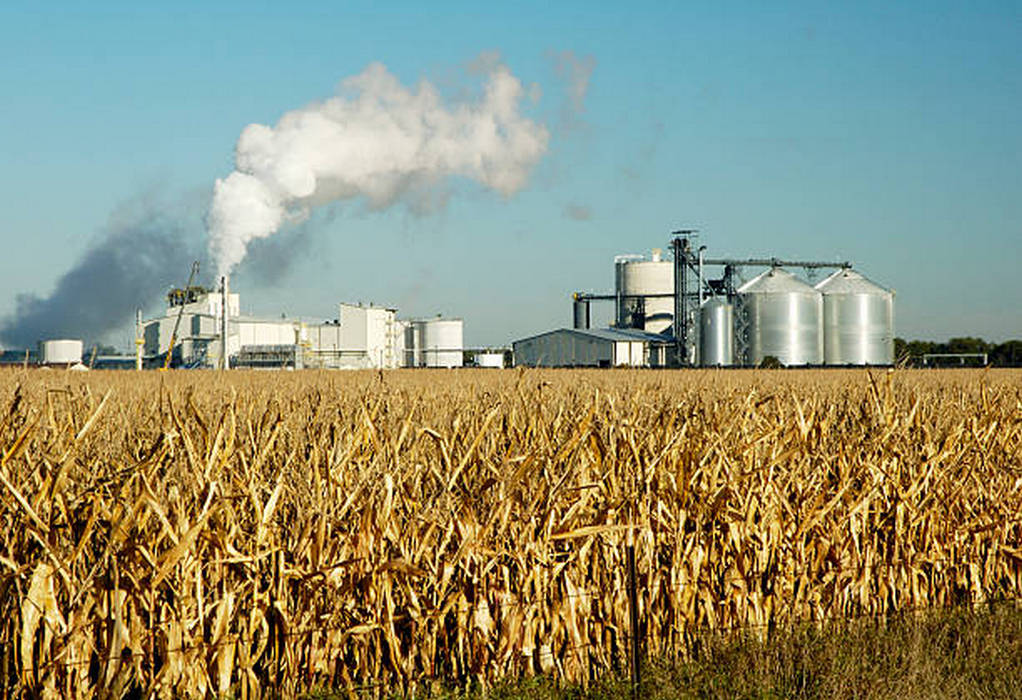
Can a public sector giant incentivise farmers to opt for alternative methods of stubble disposal, help marginally reduce India’s oil import bill, and prevent CO2 emissions to the extent that it may be the same as removing 62,000 cars from roads? The order may seem tall, but this is exactly what a central public sector

As the global aviation industry seeks to achieve net zero carbon emissions by 2050, original equipment manufacturer Boeing is exploring what it will take to transition airlines’ current fleet to 100% sustainable aviation fuel (SAF). SAF is a biofuel with a lower carbon footprint than conventional jet fuel, and is approved, at present, for use
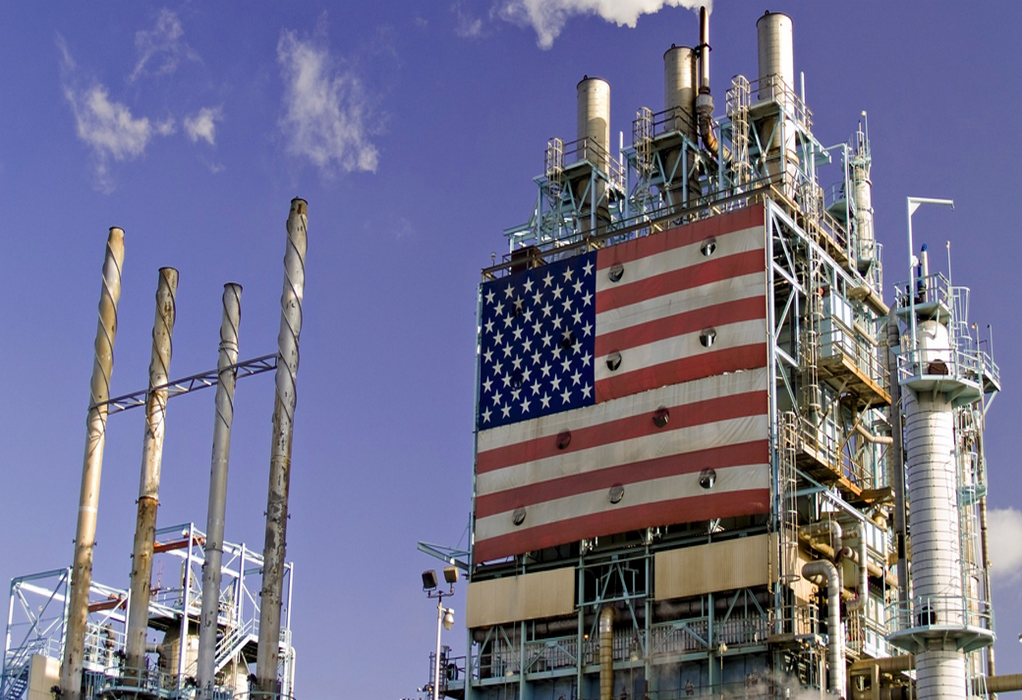
As US production of crude oil continues to climb towards its pre-pandemic production levels of 13 million barrels a day – a welcome development given high gas prices – the need for new investment to facilitate exports and imports is growing. While US consumption almost equals what we produce, we still export and import a
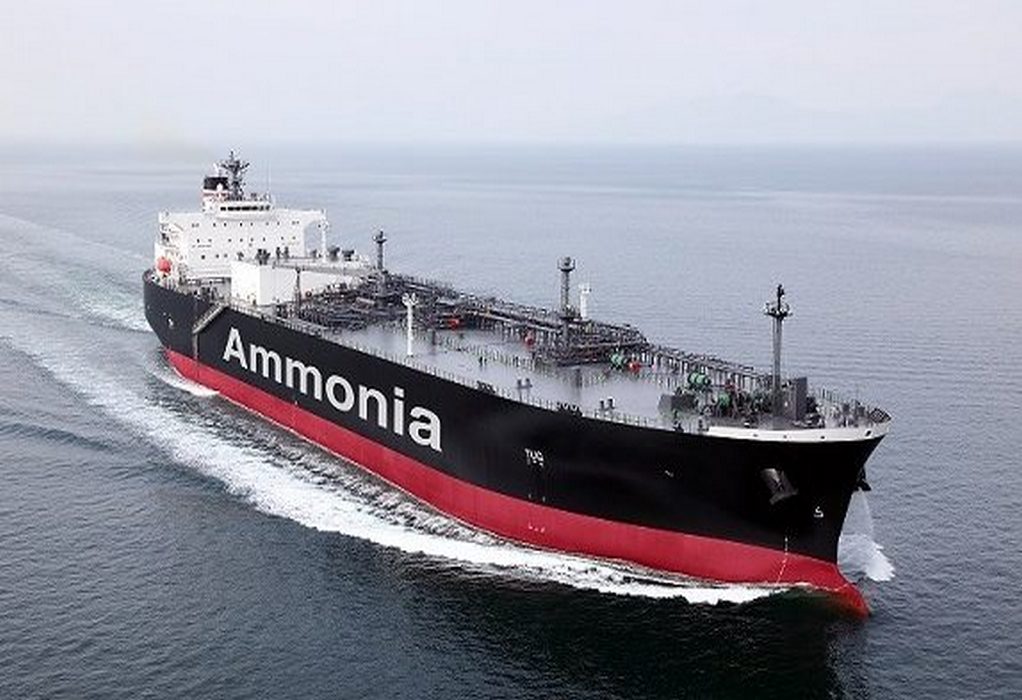
Equinor has teamed up with compatriot Breeze Ship Design to develop an ammonia dual-fuel CO2 carrier concept with direct offshore injection capabilities. Carbon capture and storage (CCS) is a key enabler in the energy transition to a low carbon value chain, where CO2 shipping is an important part of the technology development. The Stord-based ship

As the negotiations on the revision of the European Union (EU) emission trading scheme (ETS) enter their final stretch, European shipowners, ports, the cruise and ferry sectors, shipyards and equipment manufacturers, fuel suppliers, shippers, forwarders, port operators, shipmanagers and the European maritime clusters have called on the European Parliament and the Council to earmark the