
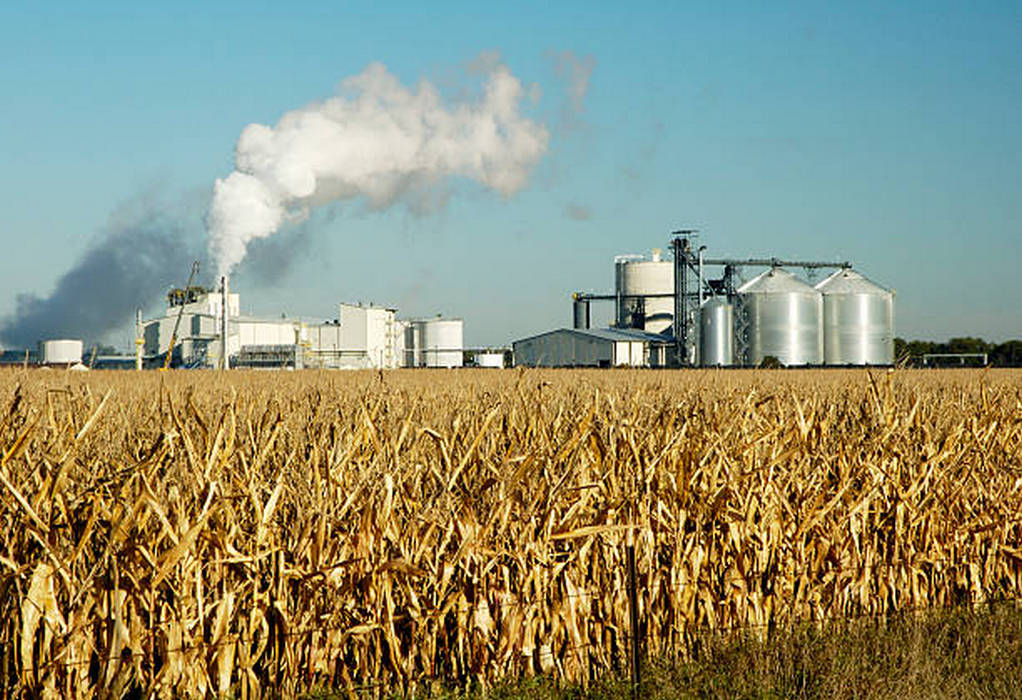
Can a public sector giant incentivise farmers to opt for alternative methods of stubble disposal, help marginally reduce India’s oil import bill, and prevent CO2 emissions to the extent that it may be the same as removing 62,000 cars from roads? The order may seem tall, but this is exactly what a central public sector


As the global aviation industry seeks to achieve net zero carbon emissions by 2050, original equipment manufacturer Boeing is exploring what it will take to transition airlines’ current fleet to 100% sustainable aviation fuel (SAF). SAF is a biofuel with a lower carbon footprint than conventional jet fuel, and is approved, at present, for use
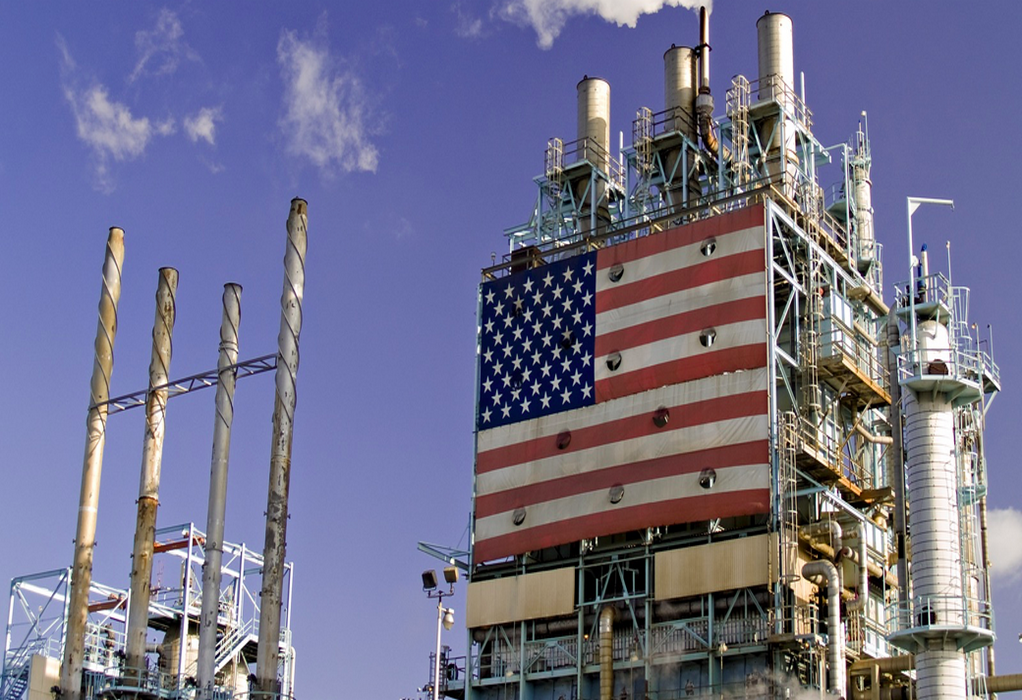
As US production of crude oil continues to climb towards its pre-pandemic production levels of 13 million barrels a day – a welcome development given high gas prices – the need for new investment to facilitate exports and imports is growing. While US consumption almost equals what we produce, we still export and import a
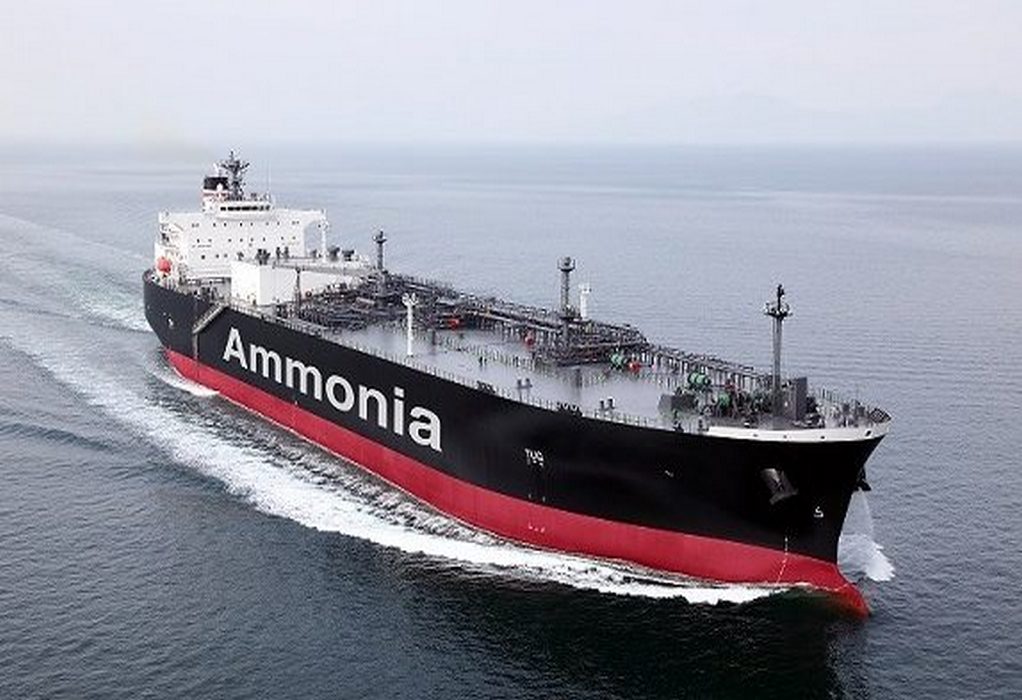
Equinor has teamed up with compatriot Breeze Ship Design to develop an ammonia dual-fuel CO2 carrier concept with direct offshore injection capabilities. Carbon capture and storage (CCS) is a key enabler in the energy transition to a low carbon value chain, where CO2 shipping is an important part of the technology development. The Stord-based ship

As the negotiations on the revision of the European Union (EU) emission trading scheme (ETS) enter their final stretch, European shipowners, ports, the cruise and ferry sectors, shipyards and equipment manufacturers, fuel suppliers, shippers, forwarders, port operators, shipmanagers and the European maritime clusters have called on the European Parliament and the Council to earmark the

International Test Pilots School (ITPS) Canada announced to achieve 100% carbon neutral. To help achieve this the company has partnered with LivClean, a top-ranked carbon offset retailer. Through the partnership, ITPS’s carbon offset purchase will support the Great Bear Forest Carbon Project, located inside the traditional territories of the Haida Nation, British Columbia, Canada, and
Serentica Renewables India Pvt Ltd., a clean-energy startup backed by KKR & Co., wants to tap Indian industry’s decarbonisation drive. The company based near New Delhi will use a $400 million investment from the private equity giant to build 1.5 gigawatts of wind and solar across four Indian states.The projects will be built over the
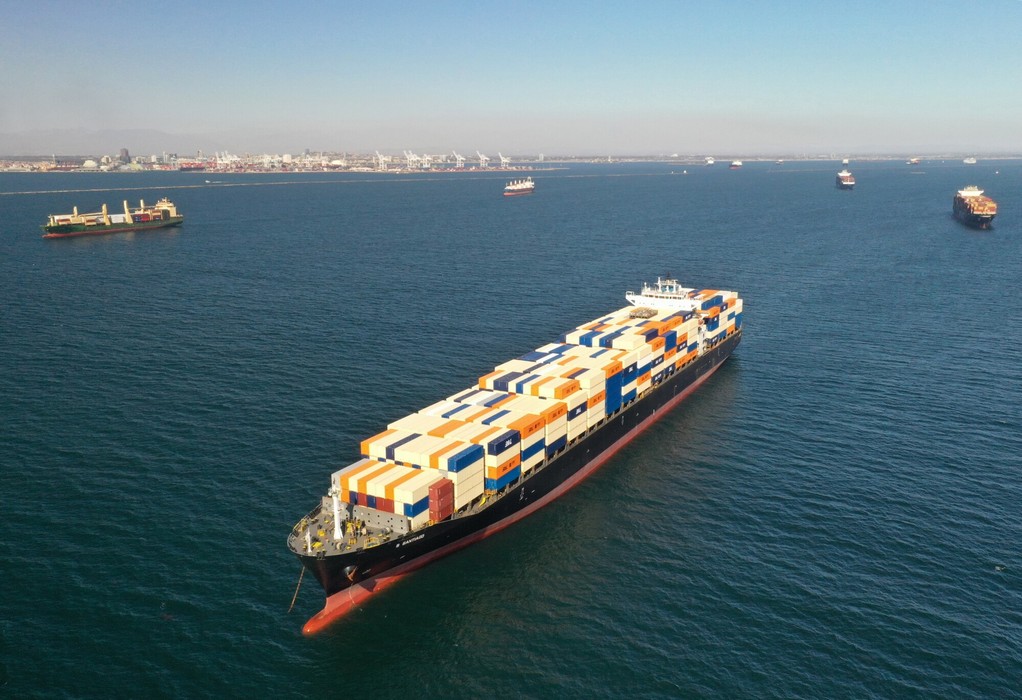
The study by consulting firm Ricardo, on behalf of the Environmental Defense Fund (EDF), with support from Lloyd’s Register, into the potential marine environmental impacts from bunkering operations, ship collisions and sinkings found estuaries, mangroves and wetlands are particularly sensitive to potential ammonia fuel spills compared to the polar regions and deep sea. Within these
Magseis Renewables, a subsidiary of Norwegian ocean bottom seismic (OBS) technology and services provider Magseis Fairfield, has won a data acquisition contract for a carbon capture and storage (CCS) monitoring project in the North Sea. No further details have been disclosed, except that the survey would start in the fourth quarter of this year, utilising
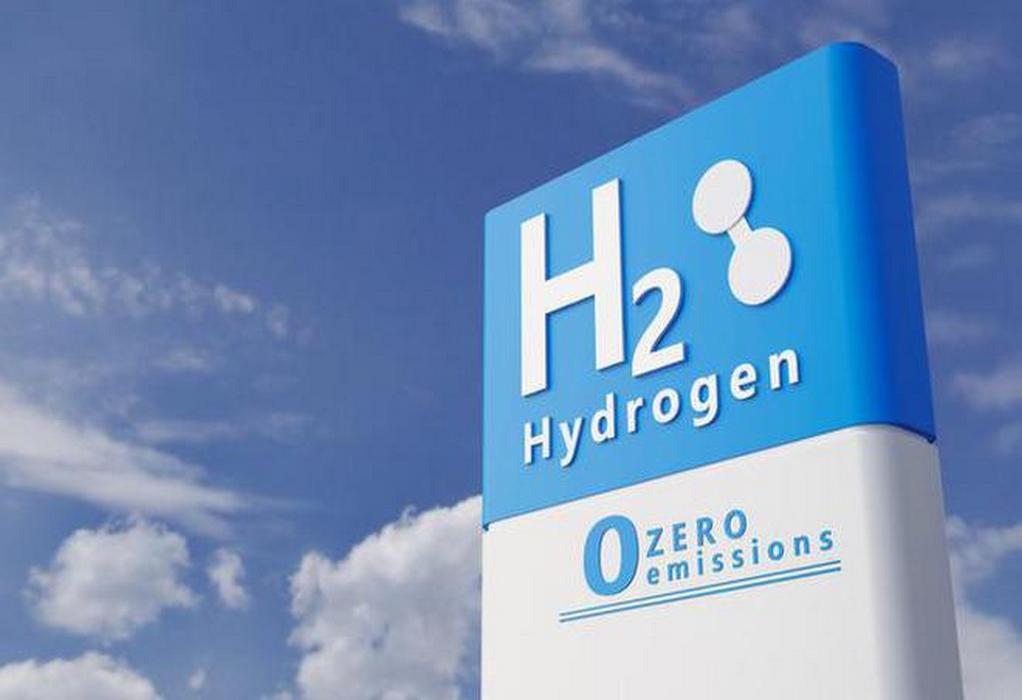
Kazakhstan has an abundance of minerals such as copper, which will be critical to supporting the electric revolution, such as battery electric vehicles. At the same time, it is also prepared to produce green hydrogen for export. This places the country in a central position in Europe’s overall efforts for decarbonization. The country has developed