

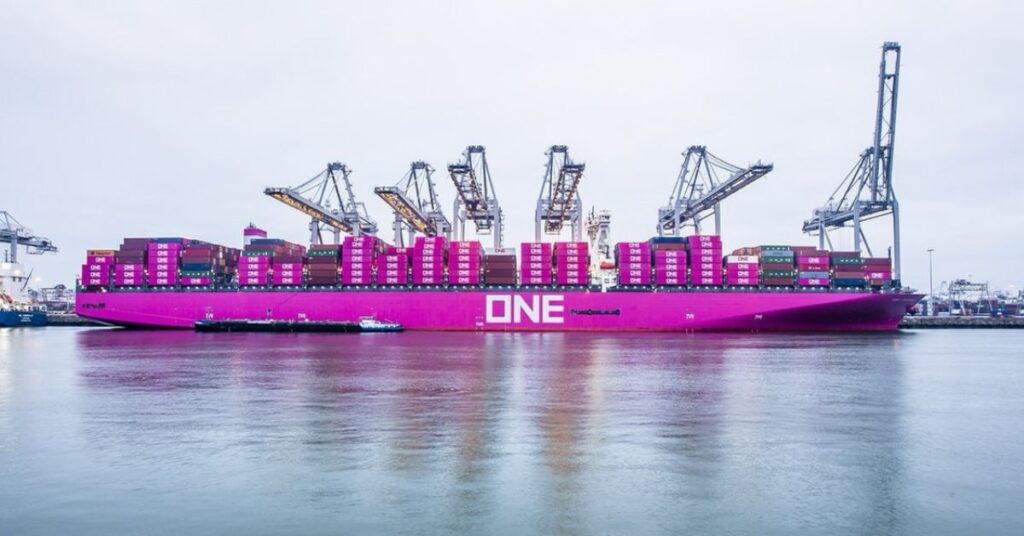
London, October 3, 2025: QTerminals Kramer Rotterdam (QTKR) and Ocean Network Express (Europe) (ONE) have reduced emissions by approximately 500 tonnes of CO₂ within six months through the use of HVO100, a sustainable biofuel derived from renewable raw materials, for port shunting operations.
The collaboration forms part of a wider strategy by both companies to decarbonise port logistics and promote cleaner transport solutions within the container supply chain.
Sustainable Fuel Cuts Emissions by Up to 90%
HVO100 (Hydrotreated Vegetable Oil), already in use across heavy-duty transport sectors, can lower lifecycle CO₂ emissions by up to 90% compared to standard diesel. The fuel also emits significantly less particulate matter and nitrogen oxide, offering immediate environmental benefits without the need for major equipment modifications.
According to QTKR and ONE, the initiative demonstrates how readily available low-carbon alternatives can deliver measurable results while longer-term decarbonisation technologies, such as electrification, continue to evolve.
Collaboration as a Catalyst for Decarbonisation
“Decarbonisation cannot be achieved in isolation; it demands collaboration and innovation across the supply chain,” said Johan Pijpers, Manager for Inland Operations Procurement (Europe & Africa) at ONE. “Our work with QTKR shows that practical solutions like biofuels can deliver meaningful results today, while laying the foundation for more ambitious steps in the future.”
Fred Groenendijk, Chief Commercial Officer at QTKR, added:
“At QTerminals Kramer Rotterdam, we are proud to collaborate with Ocean Network Express (ONE) in a partnership that goes beyond logistics. Together, we are taking concrete steps towards reducing CO₂ emissions by aligning our strategies, sharing expertise, and driving a sustainable way of working across the transport chain. ONE and QTKR have proven that smart, trustworthy collaboration is essential to successfully reducing CO₂ emissions across the supply chain.”
Next Phase: Introducing Electric Trucks
Following the success of the biofuel program, QTKR and ONE are preparing to launch the next phase of their partnership — the introduction of a dedicated fleet of electric trucks (e-trucks) for port operations. These e-trucks will operate alongside the HVO100-powered fleet, managing container movements between terminals and further reducing the carbon footprint of port logistics.
The companies view this dual approach — combining immediate emission reductions through biofuels with long-term electrification investments — as a model for sustainable logistics transformation.
The initiative also underscores the growing recognition that achieving maritime decarbonisation requires collaboration between carriers, logistics providers, and port operators, ensuring that every stage of the supply chain contributes to global climate targets.
Recent Posts
EV
Maharashtra Signs ₹150 Crore MoU to Build Electric Boat Manufacturing Facility for Mumbai Water Metro
Hydrogen
Samskip’s SeaShuttle Joins EU HyShip Project to Advance Hydrogen-Powered Short-Sea Shipping
Methanol
Maritime Technologies Forum Releases Safety Management Guidelines for Methanol-Fuelled Ships