

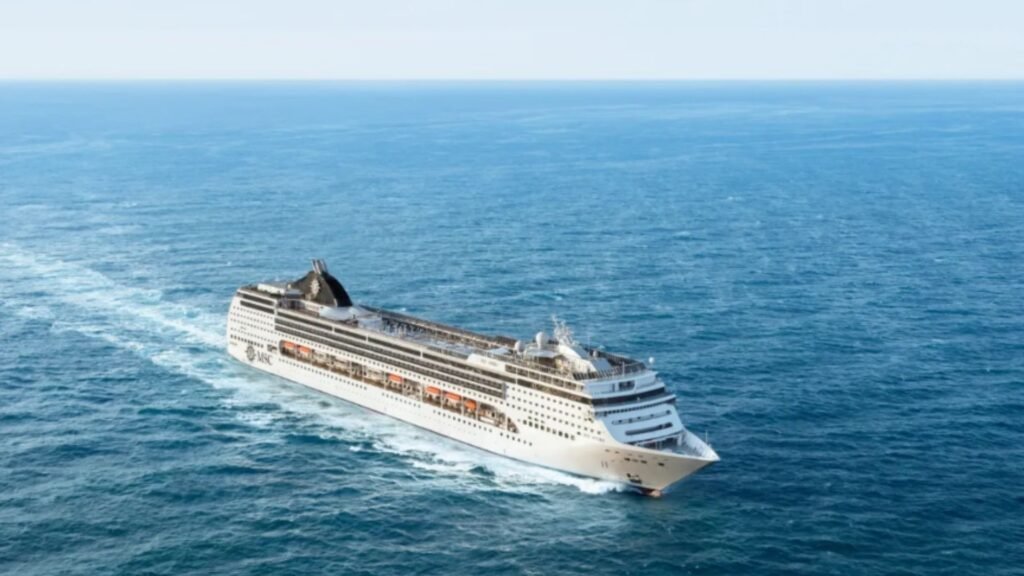
MSC Cruises and Eni have completed a trial running one of MSC Opera’s engines on pure hydrogenated vegetable oil (HVO) diesel for around 2,000 hours, confirming that the biofuel can be used in cruise ship engines without modification. The HVO was supplied by Enilive, Eni’s biofuel subsidiary.
The trial recorded engine performance and emissions data over the run period, with technical validation provided by engine manufacturer Wärtsilä and classification society Bureau Veritas.
What the Numbers Showed
Running on 100% HVO, the test engine recorded:
A 16% reduction in nitrogen oxide (NOx) emissions
A reduction in particulate emissions
Around 80% lower greenhouse gas emissions on a lifecycle basis compared with conventional marine fuel
The GHG reduction is calculated across the full supply chain and reflects the use of 100% biogenic feedstocks in HVO production, rather than tailpipe emissions alone.
From Used Cooking Oil to Cruise Ship Fuel
Enilive produces HVO at its biorefineries in Venice and Gela, primarily from waste-based feedstocks including used cooking oils, animal fats, and residues from the agri-food industry. The company has been supplying marine HVO diesel at the ports of Genoa, Ravenna, and Venice for several months, with direct barge delivery to vessels at the terminal.
Stefano Ballista, CEO of Enilive, said: “The trial with MSC Cruises has demonstrated how HVO diesel biofuel can contribute immediately to the decarbonisation of maritime transport. It can be used in its pure form in marine engines validated for its use, allowing a reduction in climate-altering emissions – calculated along the entire supply chain – of between 65% and 90% compared to traditional marine fossil fuels.”
Ballista added that the fuel “represents a viable solution for the decarbonisation of maritime transport, contributing to compliance with the obligations set by the FuelEU Maritime regulation and reducing the emission-related costs.”
How MSC Is Thinking About the Transition
MSC Cruises is positioning HVO as one of several near-term options for cutting emissions while the industry waits for longer-horizon fuels such as green methanol and ammonia to scale.
Michele Francioni, chief energy transition officer at MSC Cruises, said: “We are very pleased to have satisfactorily confirmed the technical feasibility of 100% HVO on our cruise ship as part of our continuous decarbonisation efforts.”
He added: “We believe HVO may play an important role in the decarbonisation of shipping and together with other immediately available fuels such as LNG and bio-LNG, constitutes an immediate opportunity that could be deployed on board cruise ships to accelerate the transition towards renewable fuels, bringing us a step closer to our ultimate goal of reaching net zero GHG emissions by 2050.”
Why This Matters for Cruise Lines
Cruise lines face a particular set of decarbonisation pressures. Vessels operate close to coastal populations, attract regulatory scrutiny on air quality, and run on fixed itineraries that limit bunkering flexibility. Drop-in fuels that work in existing engines — without retrofits or newbuild orders — offer a way to cut emissions on the current fleet rather than waiting on tonnage turnover.
HVO’s commercial limitation has historically been feedstock availability and price relative to fossil bunker fuel. The FuelEU Maritime regulation, which sets declining GHG intensity limits on energy used by ships calling at EU ports, changes that calculus by attaching financial penalties to non-compliance and creating a compliance market that biofuels can serve.
The Road Beyond the Pilot
The trial validates HVO as a technical option for cruise ship engines, but scaling beyond pilot use will depend on feedstock supply, bunkering infrastructure at major cruise ports, and the relative economics versus LNG, bio-LNG, and emerging alternatives. Enilive’s existing supply points in Italian ports give it a head start in the Mediterranean cruise market, where MSC has a significant operational footprint.
Recent Posts
Uncategorized
Alternativas Legales a los Esteroides Anabólicos
Uncategorized
Optimalisatie van Bodybuilding: Veilig en Effectief Gebruik van Steroïden
Uncategorized
Essential Preparations for Competition Success