

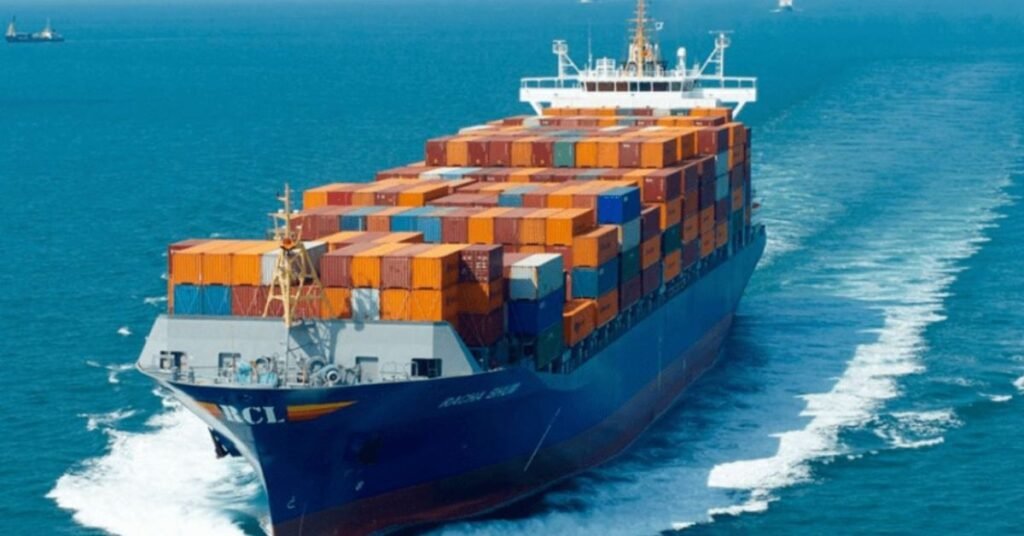
Regional Container Lines (RCL) has ordered four energy-efficient Bangkokmax container ships, each with a capacity of 1,900 TEUs, adding fresh tonnage to its core regional network in Asia.
What role will the new vessels play?
The Bangkokmax newbuilds are designed to strengthen the density and flexibility of RCL’s core regional network, giving the carrier more capacity to serve shorter intra-Asia routes efficiently. They are positioned to complement RCL’s larger newbuildings, which are geared toward supporting the company’s expanding mid-haul services, indicating a two-tier fleet strategy that pairs smaller regional vessels with bigger ships for longer routes.
How does this fit into RCL’s broader fleet strategy?
Together, the two vessel categories form part of RCL’s push to build a more connected shipping network, one that stays anchored in its established Asian base while extending reach into selected growth markets. The energy-efficient design of the new Bangkokmax ships also reflects the wider industry shift toward lower fuel consumption and emissions performance in newbuild orders, even for vessels serving shorter regional trades rather than long-haul international routes.
What does this signal for intra-Asia container shipping?
The order adds to a steady stream of regional carrier investment in right-sized, efficient tonnage built specifically for shallow-draft or capacity-constrained routes like those served by Bangkokmax vessels. As intra-Asia trade volumes continue to grow, carriers like RCL are positioning smaller, efficient ships to maintain service frequency and flexibility without the fuel and cost penalties associated with oversized tonnage on regional networks.
Recent Posts
Power & Propulsion
Kongsberg Maritime to extend range of Elegance Pods for large cruise vessels
LNG
Qatari, UAE LNG cargoes transferred via ship-to-ship outside Strait of Hormuz
Power & Propulsion
Anemoi Marine Technologies to install first Rotor Sail on a Maersk container vessel