

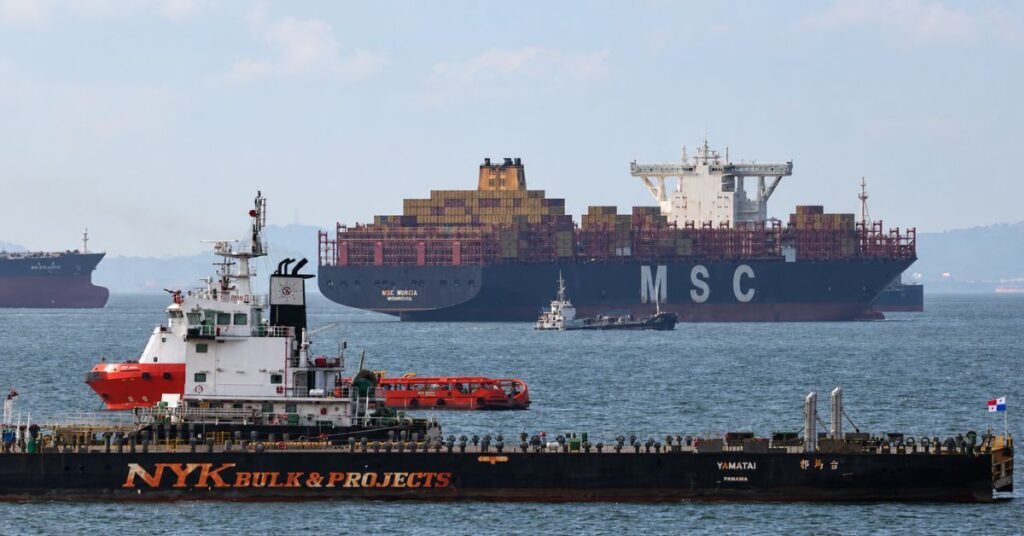
Fuel oil supply is expected to remain tight in the third quarter as refiners prioritise higher-margin products such as diesel, gasoline and jet fuel amid disruptions to crude processing and tanker traffic caused by conflicts in the Middle East and Russia-Ukraine war.
Although crude oil prices have avoided the sharp spikes seen during earlier supply shocks, refined product markets are facing growing pressure. Refinery strikes and outages, restrictions on shipping routes and reduced refining capacity and exports from China have constrained supplies, increasing costs for shipowners and power generators.
Asia faces the greatest fuel oil supply pressure
Asia is expected to be particularly exposed because of its dependence on fuel oil supplies from the Gulf, where maritime traffic has been disrupted by the Iran conflict. Singapore, the world’s largest bunker fuel hub, imports more than half of its nearly 1 million barrels per day of fuel oil demand, according to Kpler data.
“Due to the protracted supply disruption in the Middle East, we expect fuel oil supply to remain critically tight in the third quarter,” Rystad analyst Valerie Panopio told Reuters.
Fuel oil is competing with other refined products for limited refinery capacity as gasoline, diesel and jet fuel markets also face supply constraints. US diesel prices reached record highs on Friday following renewed US-Iran hostilities and Ukrainian attacks on Russian refineries.
Refiners shift output towards higher-value fuels
The shift in refinery economics is putting additional pressure on fuel oil availability. Refiners are increasingly using fuel oil as feedstock in secondary processing units to produce products with stronger margins.
Nigeria’s 650,000-barrel-per-day Dangote refinery, for instance, has increased exports of diesel, gasoline and jet fuel while reducing fuel oil exports, according to Kpler data.
“Record-low gasoline and diesel inventories will incentivise refiners globally to maximise secondary unit runs with more fuel oil feedstock barrels, in turn tightening fuel oil balances,” Energy Aspects analyst Royston Huan said.
Fuel oil inventories in major trading and bunkering centres — Singapore, Amsterdam-Rotterdam-Antwerp and Fujairah — are about 30% below their three-year seasonal averages, according to data compiled by Reuters.
Longer shipping routes add to bunker fuel demand
Disruptions to maritime traffic are also contributing to tighter fuel oil balances. Vessels avoiding the Bab el-Mandeb Strait and the Red Sea because of attacks by Houthi militants are taking longer routes, increasing fuel consumption and bunker demand.
Very low sulphur fuel oil (VLSFO), the main fuel used by much of the commercial shipping fleet, has risen 76% since the Iran war began. Singapore prices reached nearly $825 per metric tonne, equivalent to about $130 a barrel, on September 1, according to ZeroNorth’s bunker price data.
The increase has significantly outpaced the roughly 40% rise in benchmark Brent crude over the same period, increasing the pressure on shipping operators’ fuel bills and potentially contributing to higher freight rates.
Middle East and Russia refinery disruptions deepen supply constraints
Refinery outages in the Middle East are further reducing fuel oil availability. Kuwait’s Al-Zour refinery, a major fuel oil exporter, has shipped only one cargo of about 26,000 barrels per day since March, compared with approximately 191,000 barrels per day during January and February, according to Kpler.
In Russia, Ukrainian drone attacks have disrupted refinery operations and reduced refined product exports. Russian fuel oil exports fell to a record-low 591,000 barrels per day in August, Kpler data showed.
With refinery disruptions continuing across major producing regions and refiners allocating capacity towards diesel, gasoline and aviation fuel, the fuel oil market faces further tightening in the third quarter.
Recent Posts
Tugboats
Svitzer highlights India’s role in building next-generation electric harbour tugs
Methanol
China completes first green methanol bunkering of international-voyage bulker
Power & Propulsion
Kongsberg Maritime to equip two Cadeler wind turbine installation vessels