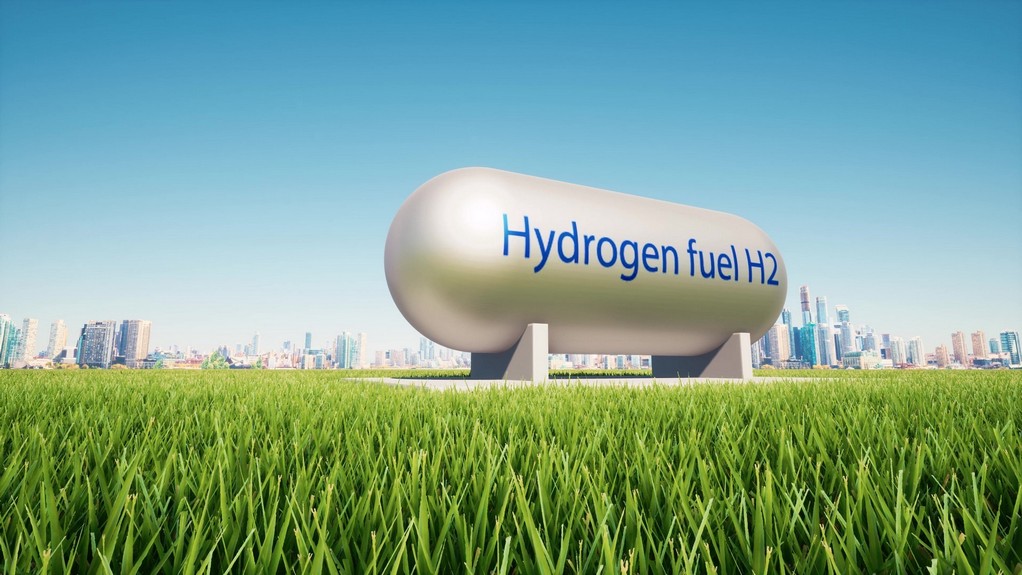
Swansea and Grenoble experts have teamed up to create a realistic method for producing green hydrogen using sustainable catalysts.
The experts now anticipate that their study will be a significant step in making green hydrogen production more simple, cheap, and scalable.
The group has now developed engineered solvents that allow hydrogenases to act in air. Simply soaking them in these solvents instead of water makes them more active and stable, allowing them to be utilized to create hydrogen in the air.
Swansea University’s expertise in photocatalysis, solvent design, and its emphasis on providing practical solutions to complex problems were coupled with knowledge of retrieving natural enzymes and using them for renewable energy conversion at the Alternative Energies and Atomic Energy Commission (CEA) and Université Grenoble Alpes (UGA).
Swansea’s strategic connection with UGA resulted in the collaboration. The findings were published in the international journal Angewandte Chemie.
This work is an inspiring example of how combining the expertise of multiple partners in an international collaboration can lead to groundbreaking research advances.
However, the costs of manufacturing green hydrogen currently prevent its widespread usage, which is why this discovery is so important for the future.
Utilizing sustainable catalysts like hydrogenases instead of costly platinum can reduce the cost of electrolyzers and fuel cells, making green hydrogen more affordable to create and utilize. It also reduces reliance on imports, which can be disrupted by outside forces.
Recent Posts
Ammonia
AM Green wins H2Global auction for €585 million renewable ammonia supply to Germany
Ports & Harbours
JNPA secures ₹671 crore IFC financing for shore power expansion
HYBRID
IMO study finds hybrid and electric ferries could cut Sea of Marmara emissions by 63%