
Summary
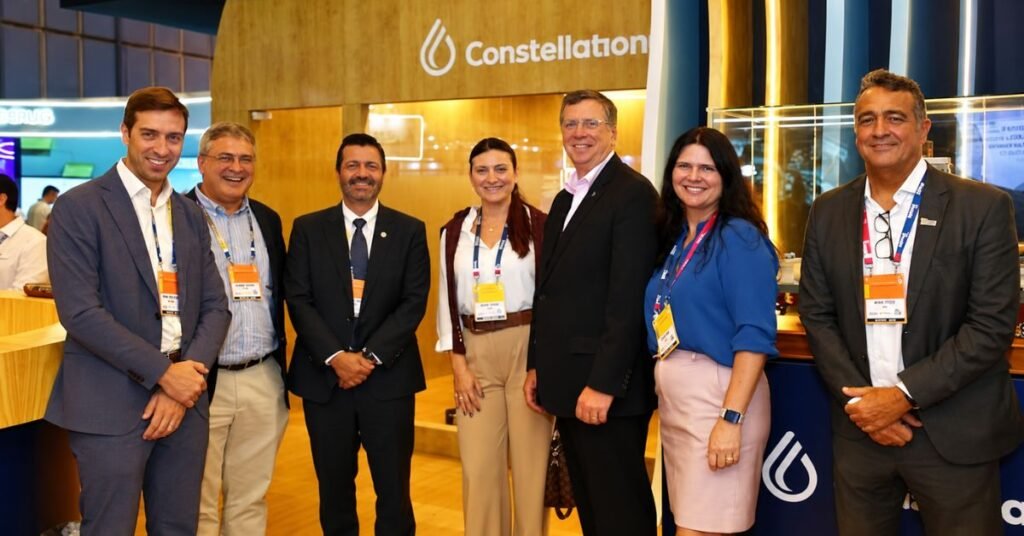
The American Bureau of Shipping (ABS) and offshore drilling contractor Constellation have signed a memorandum of understanding (MoU) at ROG.e 2026 to assess the use of battery energy storage systems on offshore drilling vessels. The study will examine closed-bus power operations to improve generator efficiency, reduce emissions and strengthen power system resilience. Separately, ABS granted approval in principle (AiP) for Constellation’s inline fuel processor design for the Laguna Star drillship.
Article
Offshore energy: The American Bureau of Shipping (ABS) and Constellation have signed a memorandum of understanding (MoU) at ROG.e 2026 to evaluate how battery energy storage technology could improve power generation efficiency and operational resilience aboard Constellation’s offshore drilling vessels.
The collaboration will focus on the feasibility of integrating vessel generators into a single connected electrical system, an arrangement known as closed-bus operations. The approach could allow fewer generators to operate at a given time while maintaining the power supply required for offshore drilling activities.
What will the ABS and Constellation study examine?
The study will assess the integration of battery energy storage systems with the drillship’s existing power generation infrastructure. By combining energy storage with closed-bus operations, the companies aim to evaluate opportunities to optimise generator loading, reduce fuel consumption and lower emissions.
The assessment will also consider power system resilience, given the demanding and variable electricity requirements of offshore drilling operations. Integrating energy storage into such systems requires consideration of the vessel’s operating profile, electrical configuration and safety requirements.
Matt Tremblay, ABS Senior Vice President, Global Markets, said: “Offshore drilling units have complex power demands, and the safe integration of energy storage requires a detailed understanding of the vessel, its operating profile and its power system. ABS is proud to support Constellation as it evaluates practical energy storage technologies for its fleet,”
What is closed-bus operation in offshore drilling?
Closed-bus operation is an electrical configuration in which generators operate in parallel through a connected power distribution system rather than in separate, isolated groups.
This arrangement can provide greater flexibility in how onboard power is generated and distributed. When combined with battery energy storage, it may help vessels manage fluctuating electricity demand, reduce the number of generators required during certain operating conditions and improve overall energy efficiency.
For offshore drilling contractors, the potential benefits include lower fuel consumption, reduced emissions and improved management of onboard power demand. However, implementation depends on the vessel’s electrical design, operational requirements and the results of technical assessments.
What is the ABS approval in principle for the Laguna Star drillship?
Alongside the battery energy storage agreement, ABS presented Constellation with an approval in principle (AiP) for the design of an inline fuel processor intended for the Laguna Star drillship.
The system is designed to emulsify water with fuel before it enters the engine. The technology aims to reduce fuel consumption and emissions by changing the characteristics of the fuel supplied to the engine.
An AiP indicates that a proposed design has undergone an initial technical assessment against applicable requirements. It does not, by itself, confirm that the technology has achieved its intended operational or emissions-reduction performance.
How is Constellation approaching offshore decarbonisation?
Constellation is evaluating technologies intended to reduce the environmental impact of its offshore drilling operations while maintaining operational reliability.
Leonardo Guimarães, Constellation Chief Technology Officer, said: “Constellation sees disruptive technologies as a key tool for accelerating the decarbonization of its operations. ABS’s recognition reinforces the technical robustness of these initiatives and their contribution to the commitments established in our ESG 2030 Plan,”
The battery energy storage study and the fuel processor design represent two different approaches to improving vessel efficiency: optimising onboard electricity generation and modifying fuel delivery to engines.
Why does it matter?
Offshore drilling vessels require substantial and reliable power to support drilling equipment, propulsion-related systems and other onboard operations. Conventional generator configurations can require multiple engines to run simultaneously to meet changing power demands, potentially limiting efficiency during periods of lower or fluctuating loads.
Battery energy storage combined with suitable power management could provide an alternative approach, allowing generators to operate more efficiently while batteries help manage short-term changes in demand. The potential emissions benefits will depend on the vessel’s operating conditions, system configuration and the performance of the integrated technology.
The parallel development of an inline fuel processor highlights the industry’s broader interest in reducing fuel use through incremental technical improvements. Both initiatives will require further validation to establish their practical benefits under real operating conditions.
FAQs
What are ABS and Constellation studying?
They are assessing the feasibility of integrating battery energy storage with a drillship’s power generation system, including the use of closed-bus operations to improve efficiency and resilience.
How can battery energy storage reduce emissions on offshore drilling vessels?
Battery systems can help manage fluctuating power demand and allow generators to operate more efficiently. Potential emissions reductions depend on the vessel’s operating profile and the performance of the integrated system.
What is closed-bus operation?
Closed-bus operation connects generators through a common electrical system, allowing them to operate in parallel rather than in separate power groups.
What is the approval in principle granted to Constellation?
ABS granted an approval in principle for an inline fuel processor design intended for the Laguna Star drillship. The system is designed to emulsify water with fuel before it reaches the engine, with the aim of reducing fuel consumption and emissions.
Does approval in principle confirm emissions savings?
No. Approval in principle represents an initial assessment of a proposed design. It does not independently establish that the technology will achieve its intended performance in service.
Recent Posts
Marine
Singapore Unveils Ammonia Bunkering Standard, First Ethanol Bunkering and LNG Storage Plans
Ammonia
Singapore Launches TR 148 Ammonia Bunkering Standard and Model Contract to Prepare for Ammonia-Fuelled Ships
Policy
China Targets Doubling New Energy Inland Vessels by 2028 Under 2026-2030 Action Plan