
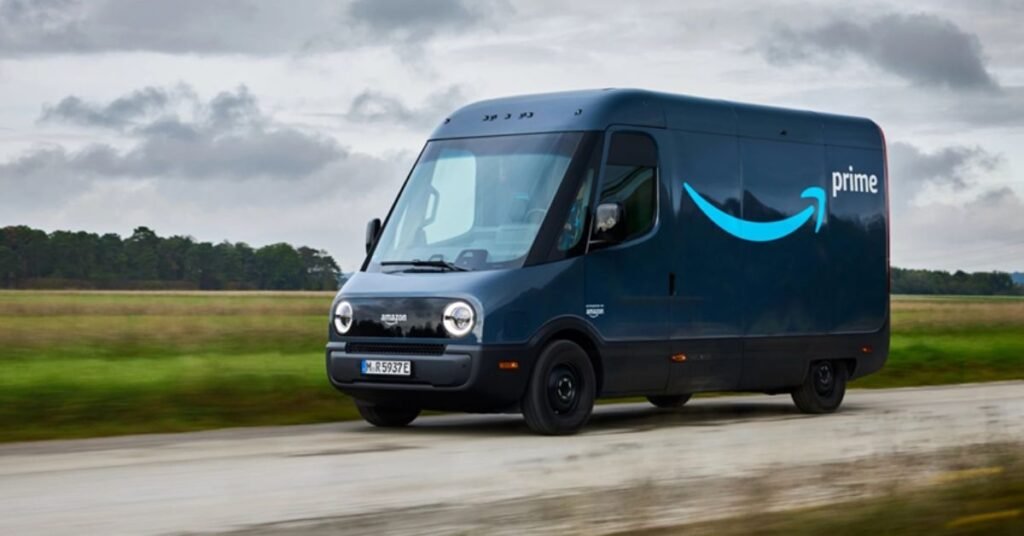
Amazon has surpassed 50,000 electric delivery vans across its global operations, marking a significant milestone in its efforts to decarbonise logistics and achieve net-zero carbon emissions by 2040.
The company said its electric delivery fleet delivered more than 2.4 billion packages worldwide in 2025, helping reduce emissions from last-mile delivery operations. The milestone places Amazon halfway toward its target of deploying 100,000 electric delivery vehicles globally by 2030.
The expansion forms part of Amazon’s broader strategy to reduce emissions across its transportation network through operational efficiency, vehicle electrification, and the adoption of lower-carbon fuels.
Europe Emerges as a Key Hub for Fleet Electrification
Amazon and its delivery partners operated more than 10,000 electric delivery vans across Europe by the end of 2025.
A major contributor to this growth was the deployment of nearly 5,000 Mercedes-Benz electric vans across Austria, France, Germany, Italy, and the United Kingdom. The rollout builds on Amazon’s €1 billion investment announced in 2022 to support the electrification and decarbonisation of its European transportation network.
To support fleet operations, Amazon has also installed tens of thousands of charging points globally, including thousands across Europe.
Micromobility Solutions Expand Urban Deliveries
Alongside electric vans, Amazon continues to expand the use of micromobility solutions, including electric cargo bikes, electric mopeds and pushcart deliveries.
Since launching its first cargo bike delivery operation in 2017, the company has established more than 70 micromobility hubs across over 50 European cities.
According to Amazon, more than 100 million deliveries have been completed using these solutions in Europe, including over 30 million deliveries during 2025 alone.
The company estimates these operations have helped avoid more than 17,000 metric tonnes of carbon emissions, while also reducing noise pollution in urban areas.
Expanding Electric Trucks in Middle-Mile Logistics
Amazon is also increasing electrification within its middle-mile logistics network, which connects fulfilment centres, sortation hubs and delivery stations.
The company currently operates more than 100 electric heavy goods vehicles (HGVs) in Europe and expects that figure to more than double by the end of 2026.
The initiative is aimed at reducing emissions from freight transport while supporting the movement of goods between logistics facilities.
Greater Use of Rail and Ocean Transport
Beyond vehicle electrification, Amazon is seeking to lower transport emissions by shifting more freight from road and air transport to rail and maritime services.
The company now uses more than 500 rail and sea routes across Europe, doubling volumes moved through these modes compared with three years ago.
In 2025:
- More than 170 million packages were transported via sea and rail in Europe.
- Over 35% of inventory transfers exceeding 500 km were moved by rail or sea.
- Ocean freight accounted for 97% of Amazon’s imported transoceanic shipments, up from 90% in 2024.
- More than 500,000 packages were transported via France’s high-speed TGV rail network.
Investing in Sustainable Aviation Fuel and Alternative Fuels
For sectors where electrification remains challenging, such as aviation and ocean shipping, Amazon is investing in lower-carbon fuels.
The company procured more than 14 million gallons of blended sustainable aviation fuel (SAF) in 2025 for its direct operations, while continuing to support the development of alternative fuel supply chains through long-term purchasing commitments.
Recent Posts
HYBRID
GRSE Signs ₹1,032-Crore ONGC Contract for Four Hybrid Offshore Supply Vessels
EV
Energy In Motion Opens ₹500-Crore Electric Truck Plant in Pune
Fuels
Aegis Logistics Commissions 35,000-Tonne LPG Bottling Plant at JNPA