
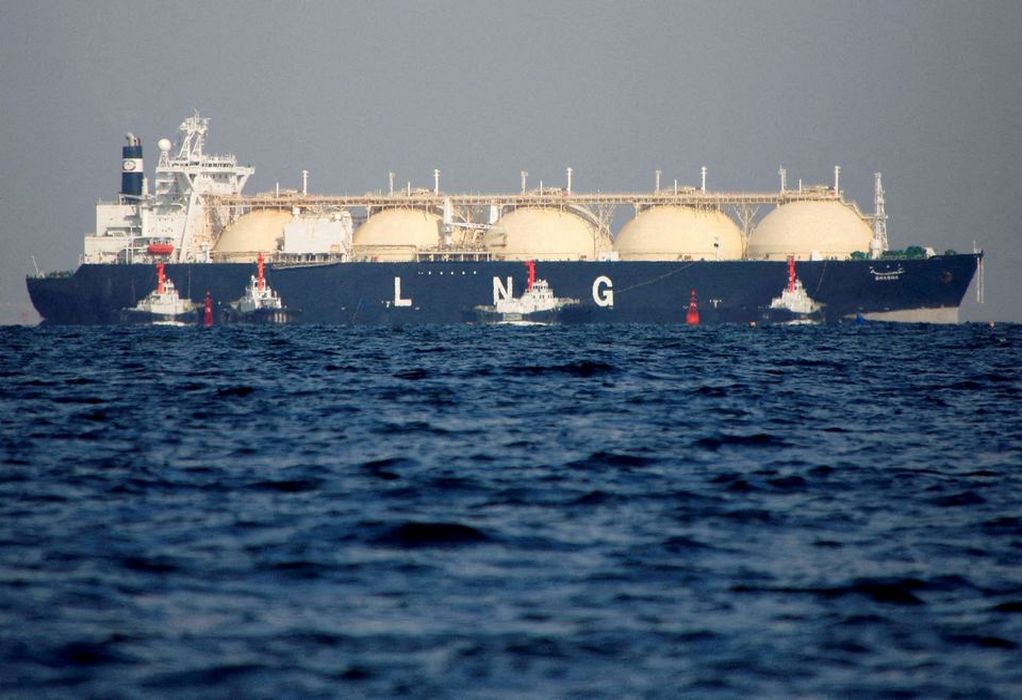
With a sharp spike in prices of liquefied natural gas (LNG) which has pushed up the cost of production of urea, the fertilizer subsidy is likely to cross Rs 2.5 trillion in the current fiscal, 138% higher than the budget estimate of Rs 1.05 trillion.
The government reckons that the natural gas prices, which constitute about 85% of cost of production for urea, is likely to be at elevated levels in 2023-24 as well. A similar level of fertiliser subsidy expenditure is expected in FY24 too.
The government is working out measures for ensuring that LNG is supplied to fertiliser companies at a lower price. One of the proposals being discussed is asking state-run GAIL (India) to procure the fuel on behalf of Indian companies under short-term contracts. There has been concern about the way the fertiliser companies deal with the issue of gas price as the entire burden of subsidy is borne by the government.
It would be the fourth year in a row that the annual Budget spending on fertiliser would be above Rs 1 trillion mark this fiscal, against a lower range of Rs 70,000 – 80,000 crore in the past few years.
According to an official with Fertiliser Association of India (FAI), the LNG pooled prices were in the range of $ 10-12/mmbtu one and half years back.
The domestic production of urea is around 26 million tonne (mt) while 9 MT of soil nutrient is imported to meet the demand. In 2021-22, India imported nearly 9.1 MT of urea, valued at around Rs. 40,000 crore.
The Crisil note also stated that the price of imported urea remains elevated at over $ 650 per tonne, almost double from a year ago.
FAI officials said that due to a continuous rise in domestic natural gas prices, the fertiliser companies get only around 7% share of domestic gas, which implies that bulk of the requirement is met through imports.
Out of the total LNG consumption in the country, the fertiliser companies have a share of around 35% and rest of sectors include city gas distribution (22%), power (13%), refineries (7%), petrochemical (2%) and others.
Sources said that the government is working out measures for ensuring that LNG is supplied to fertiliser companies at a lower price. One of the proposals being discussed is asking GAIL to procure the fuel on behalf of Indian companies or going for shorter contracts. There has been concern about the way the fertiliser companies deal with the issue of gas price as the entire burden of subsidy is borne by the government.
Recent Posts
Ammonia
Maersk Tankers Ammonia Retrofit Project Advances Towards EU Support
Policy
EU Maritime Innovation Projects Advance in €3.4-Billion Funding Selection
Policy
Shanghai–Melbourne Green Shipping Corridor Sets 2035 Vessel Deployment Goal