
Summary
India could emerge as a major global producer and exporter of green hydrogen, Union Road Transport and Highways Minister Nitin Gadkari said on 23 October, highlighting the role of clean fuels, transport infrastructure and lower logistics costs in strengthening the country’s industrial and export competitiveness. His remarks come as the National Green Hydrogen Mission targets annual production capacity of at least five million tonnes by 2030, with ports and supporting infrastructure forming part of the development strategy.
Article
Gadkari Links Green Hydrogen Development with Economic Competitiveness
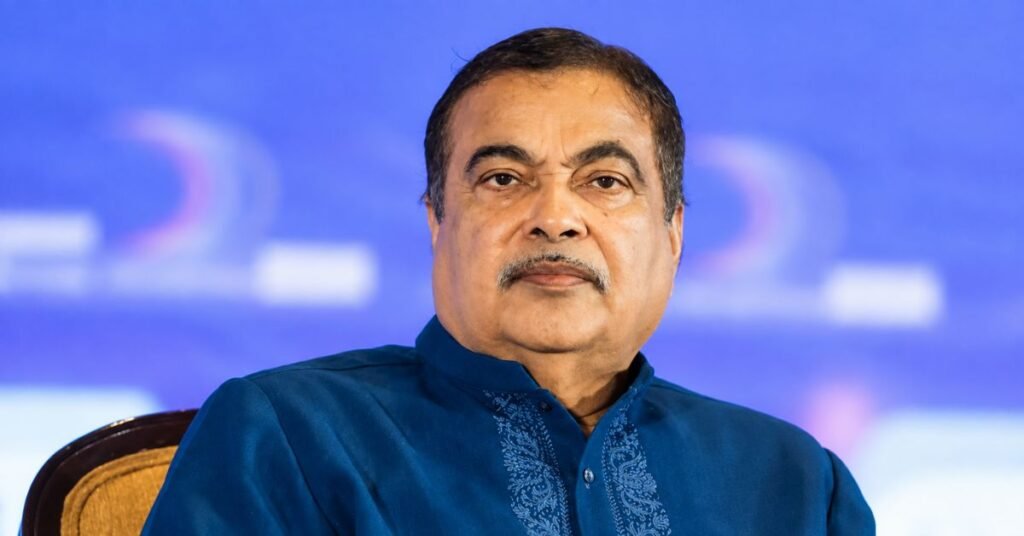
India has the potential to become a leading global producer and exporter of green hydrogen, Union Road Transport and Highways Minister Nitin Gadkari said while addressing KPMG’s Agrasar Bharat Manch on 23 October.
Gadkari described hydrogen as an important future energy source and highlighted its potential applications in mobility and industry. He also referred to electric vehicles, ethanol, methanol, biodiesel and liquefied natural gas, linking the adoption of alternative energy technologies with investment in infrastructure and economic development.
The minister said improvements in road infrastructure had helped reduce logistics costs from an earlier level of 15% to approximately 9%. He argued that lower transportation costs could strengthen the competitiveness of Indian exports. These figures reflect his stated assessment and need to be considered alongside the government’s formal logistics-cost estimates.
National Green Hydrogen Mission Sets 2030 Production Target
India’s green hydrogen ambitions are supported by the National Green Hydrogen Mission, approved in January 2023 with an initial financial outlay of ₹19,744 crore.
The mission targets the development of at least five million tonnes of annual green hydrogen production capacity by 2030, alongside approximately 125 GW of associated renewable energy capacity. Its anticipated outcomes include more than ₹8 lakh crore in investment and the creation of over six lakh jobs. These figures represent programme targets rather than realised outcomes.
The initiative supports domestic electrolyser manufacturing, hydrogen production, pilot projects, research, skills development and enabling infrastructure. Its broader objective is to establish an integrated ecosystem that connects production with industrial consumption and export markets.
Achieving these targets will require coordination between energy producers, technology suppliers, industrial users and infrastructure operators, as well as the development of commercially viable demand.
Indian Ports Strengthen Green Hydrogen Export Potential
Ports are expected to play a role in connecting green hydrogen production with international markets, particularly as India develops infrastructure for hydrogen and its derivatives, including ammonia.
In October 2025, Deendayal Port in Gujarat, V.O. Chidambaranar Port in Tamil Nadu and Paradip Port in Odisha were recognised as green hydrogen hubs under the National Green Hydrogen Mission.
The designations support the development of port-linked industrial ecosystems intended to facilitate production, storage, handling and overseas trade.
At Paradip Port, the government has approved a dedicated jetty and associated facilities for green hydrogen, ammonia and other liquid cargo. The project has an estimated cost of ₹797.17 crore and a planned annual handling capacity of four million tonnes.
The capacity relates to the specified cargo mix and does not represent a target for green hydrogen production alone. Cargo-handling infrastructure is one component of the supply chain; production facilities, storage arrangements, transport connections and commercial demand must also develop to support exports.
Government Logistics-Cost Estimates Use Different Measurement Bases
Gadkari’s estimate of logistics costs at approximately 9% comes alongside a formal assessment published by the Department for Promotion of Industry and Internal Trade (DPIIT) and the National Council of Applied Economic Research (NCAER).
The DPIIT–NCAER assessment estimated India’s logistics costs at 7.97% of gross domestic product for 2023–24. When measured against non-services output, the estimate was 9.09%.
The assessment drew on responses from more than 3,500 industry stakeholders, supplemented by secondary information from government and financial databases.
The two percentages use different denominators and should not be treated as directly interchangeable. Similarly, comparing an earlier headline estimate of 15% with a current figure of around 9% does not, by itself, establish the scale of a reduction measured on a consistent statistical basis.
For policymakers and businesses, consistent measurement is important when assessing the impact of infrastructure investment, transport efficiency and supply-chain improvements. Logistics costs can also vary across industries, regions, cargo types and transport corridors.
Infrastructure and Market Demand Will Shape Commercial Outcomes
India’s green hydrogen ambitions and efforts to improve logistics efficiency are connected through the infrastructure required to move equipment, construction materials and finished products.
Ports, roads, inland transport networks and storage facilities will influence the cost and reliability of hydrogen-related supply chains. Their effectiveness will depend on how well infrastructure development aligns with production capacity and demand from domestic and international customers.
Lower national logistics-cost estimates do not necessarily translate into equivalent savings for every business. Actual outcomes depend on factors such as cargo characteristics, transport distances, infrastructure availability and operating arrangements.
Gadkari’s remarks highlight the government’s focus on alternative fuels and transport connectivity. The next stage will depend on the implementation of production projects, the availability of supporting infrastructure and the development of viable markets for green hydrogen and its derivatives.
FAQs
What did Nitin Gadkari say about India’s green hydrogen potential?
Gadkari said India could become a leading global producer and exporter of green hydrogen, with applications in mobility and industry.
What is India’s green hydrogen production target for 2030?
The National Green Hydrogen Mission targets annual green hydrogen production capacity of at least five million tonnes by 2030, supported by approximately 125 GW of associated renewable energy capacity.
Which Indian ports have been recognised as green hydrogen hubs?
Deendayal Port in Gujarat, V.O. Chidambaranar Port in Tamil Nadu and Paradip Port in Odisha were recognised as green hydrogen hubs under the National Green Hydrogen Mission in October 2025.
What is the approved cost and capacity of the Paradip Port project?
The approved project has an estimated cost of ₹797.17 crore and a planned annual handling capacity of four million tonnes for green hydrogen, ammonia and other liquid cargo. This is cargo-handling capacity, not hydrogen production capacity.
What logistics-cost figure did Gadkari cite?
Gadkari put India’s logistics costs at approximately 9%, compared with an earlier level of 15%, according to his remarks.
What did the DPIIT–NCAER logistics-cost assessment estimate?
The assessment estimated logistics costs at 7.97% of GDP for 2023–24, or 9.09% when measured against non-services output. The figures use different measurement bases and should be interpreted accordingly.
Recent Posts
Ports & Harbours
VOC Port’s Tuticorin International Container Terminal Declared Green Terminal After Full Equipment Electrification
Hydrogen
India Could Become Leading Green Hydrogen Producer and Exporter, Says Gadkari
Fuels
Offshore Vessel Fuel Efficiency Offers Immediate Savings, Says Opsealog