
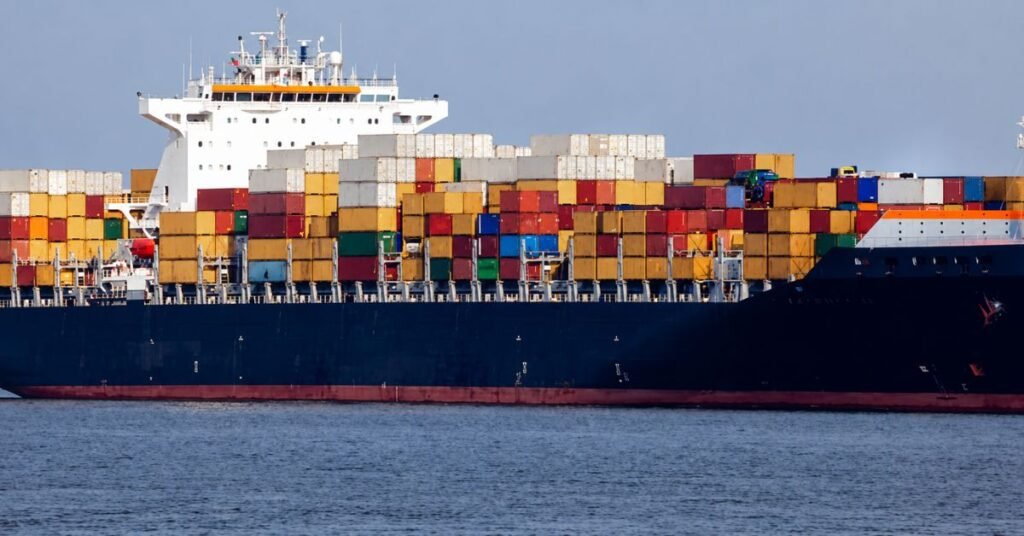
Shyam Jagannathan, IAS – India’s Director General of Shipping and Additional Secretary to the Government of India – has presented an eight-pillar decarbonisation roadmap for the maritime sector that carries about 90% to 95% of India’s international trade logistics, according to India Shipping News. [Interview on Green Talk, World Ocean Day]
In a World Ocean Day interview on Green Talk with Anil Pratap Singh on Munsif TV, Jagannathan highlighted green fuels, ports, ship recycling, finance, technology, seafarer training and waste control as the core of India’s maritime policy. He noted that shipping contributes 2% to 3% of global carbon emissions and argued that shifting to sustainable shipping is an investment in India’s trade future.
The Directorate General of Shipping (under the Ministry of Ports, Shipping and Waterways) is implementing a National Maritime Decarbonization Policy Framework built around:
- Green shipping and ports
- Green ship recycling
- Green finance and technology
- Human capital and just transition
- Waste management
The plan includes energy-efficiency upgrades for existing vessels, transitioning from internal combustion engines to net-zero fuels such as green ammonia, green hydrogen and green methanol, and implementing the Harit Sagar port guidelines.
Key pillars include:
- Ship recycling: India will align with the Hong Kong Convention framework
- Finance & technology: Capital support for green initiatives plus digital tools like the maritime single window
- Human capital: Raise India’s share of global seafarers from 16.5% to over 20%, with the long-term goal of one in four global seafarers being Indian
Jagannathan linked this roadmap to the Viksit Bharat 2047 agenda. The blue economy contributes roughly 4% of India’s GDP and is vital to achieving the target 7% to 7.5% compound annual growth rate. He highlighted India’s 11,000-km coastline and growth areas beyond mercantile trade: cruise tourism, coastal shipping, marine biotechnology, aquaculture and deep-ocean mineral exploitation.
The legislative programme comprises revisions to:
- Merchant Shipping Act – streamlines vessel registration, ownership and wreck removal
- Coastal Shipping Act 2025 – focuses on domestic coastal trade, cabotage and feeder services linked to deep-water ports including Vizhinjam, Galathea and proposed Vadhavan port
- Indian Ports Act 2025 – shifts policy toward a landlord model and wider public-private partnerships
Jagannathan also connected ocean protection to inland river systems, citing microplastics, raw sewage and untreated industrial effluents entering rivers such as the Ganga before reaching the sea. He reaffirmed India’s commitment to SDG 13 and SDG 14 and called for transparent, consensus-based global maritime funds that protect developing nations and human capital.
Recent Posts
HYBRID
GRSE Signs ₹1,032-Crore ONGC Contract for Four Hybrid Offshore Supply Vessels
EV
Energy In Motion Opens ₹500-Crore Electric Truck Plant in Pune
Fuels
Aegis Logistics Commissions 35,000-Tonne LPG Bottling Plant at JNPA