
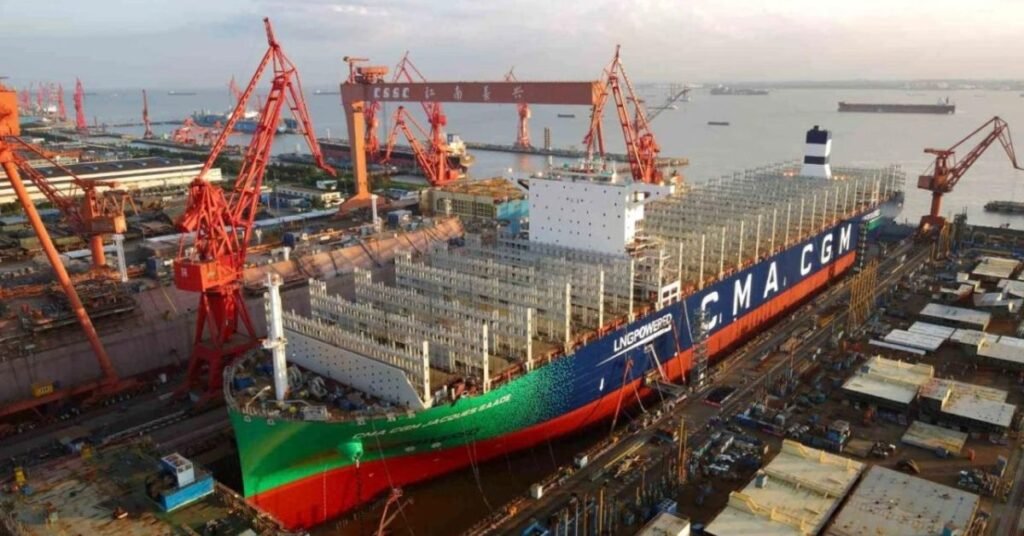
Shipowners ordered 69 alternative-fuelled vessels in September 2026, the highest monthly total since October 2024, according to data from DNV’s Alternative Fuels Insight (AFI) platform. LNG continued to account for the largest share of alternative-fuel newbuild orders.
The September total lifted third-quarter orders to 168 vessels, making it the strongest quarter since Q3 2024. DNV has recorded 311 alternative-fuel vessel orders so far in 2026, 53% higher than the corresponding period in 2025.
The increase follows a slower first half of the year. DNV reported in July that 137 alternative-fuelled vessels had been ordered during the first six months of 2026, compared with 155 during the same period a year earlier.
Jason Stefanatos, Global Decarbonization Director, DNV Maritime, said contracting activity increased significantly during the third quarter following a slow start to the year, taking year-to-date orders well above the previous year’s level.
LNG accounts for majority of September orders
LNG-fuelled vessels accounted for 48 of the 69 alternative-fuel orders placed in September. The orders covered containerships, car carriers, bulk carriers and ro-ro vessels.
Another 12 orders were for ethanol-fuelled bulk carriers, while nine LPG-fuelled vessels accounted for the remaining orders.
The distribution reflects the use of multiple alternative-fuel pathways across different vessel segments. Stefanatos noted that fuel and vessel choices continue to vary according to operating profiles and commercial conditions, with ordering patterns capable of changing significantly over relatively short periods.
The emergence of ethanol as a contracted fuel for bulk carriers is also notable. It follows Vale’s efforts to develop tri-fuel ore carriers capable of operating on ethanol, methanol and conventional fuel, including its recently announced 25-year contract with MOL Ocean Bulk.
Shipowners continue to prioritise fuel flexibility
The increase in alternative-fuel orders comes amid continued uncertainty over fuel prices, bunkering infrastructure and the future direction of emissions regulations.
In its latest Maritime Forecast to 2050, DNV cautioned that regulatory developments could significantly influence the economics of alternative fuels over the operating lives of ships being ordered today.
The share of alternative-fuel-capable vessels in the global fleet has increased from 0.4% in 2020 to 5.2% in 2026, with LNG and methanol systems accounting for most of the growth.
However, many dual-fuel vessels continue to operate primarily on conventional fuels because cleaner alternatives remain more expensive and their availability varies between regions.
DNV said the latest contracting activity indicates that shipowners continue to incorporate alternative-fuel capability into long-term fleet strategies, providing flexibility for vessels expected to remain in service for several decades.
Recent Posts
Marine
82% of Maritime Professionals Say Current Training Falls Short of Operational Needs, Study Finds
Ammonia
Maersk Tankers Ammonia Retrofit Project Advances Towards EU Support
Policy
EU Maritime Innovation Projects Advance in €3.4-Billion Funding Selection