
The global orderbook currently stands equivalent to a “moderate” 10% of fleet capacity, though varies significantly by sector, according to the latest data from Clarksons Research.
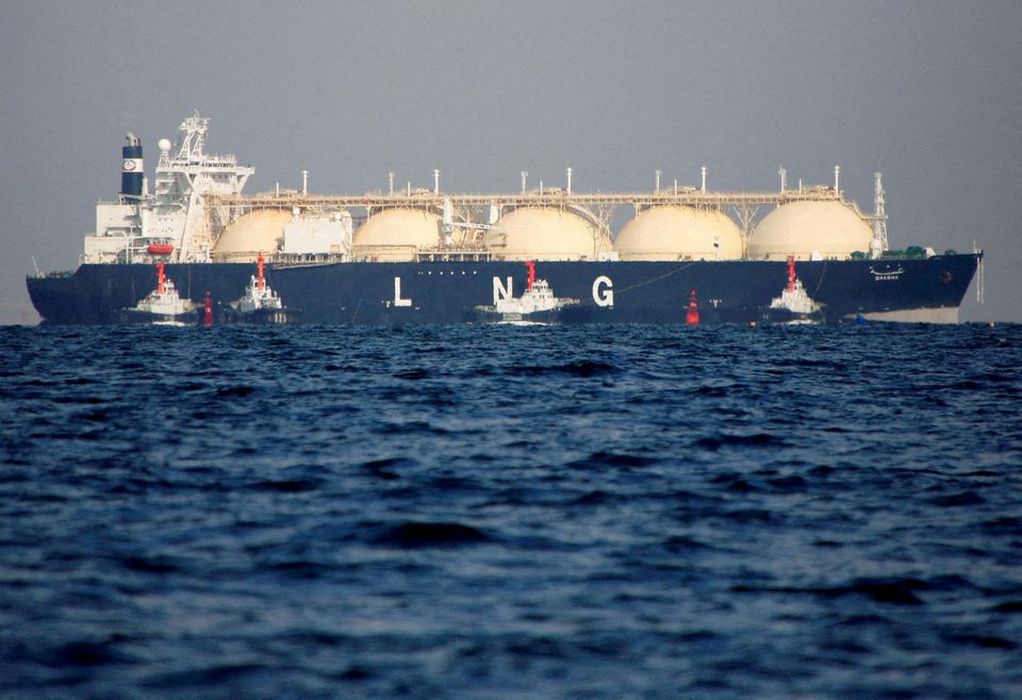
The orderbook to extant fleet stands at just 4% of the tanker fleet, 7% of the bulker fleet, a sizeable 29% of the containership fleet and an all-time high 50% of the LNG carrier fleet.
The extreme ordering by containership and gas carrier owners has elbowed out tanker and dry bulk firms from renewing their fleets over the past couple of years, but this could be about to change.
Brokers Braemar noted last week how LNG newbuild prices have hit record highs at $259.5m for a standard ship, a figure that is now turning some owners away from ordering more.
Braemar’s latest LNG market report noted signs of less orders in recent weeks due to a lull in project final investment decisions and today’s high prices are also reducing speculative ordering.
Braemar is forecasting the global LNG fleet will expand by a massive 36% between now and 2027.
Maersk Broker is reporting there are now no newbuild slots available at yards for 2025 and most of the early part of 2026.
Recent Posts
Ammonia
Maersk Tankers Ammonia Retrofit Project Advances Towards EU Support
Policy
EU Maritime Innovation Projects Advance in €3.4-Billion Funding Selection
Policy
Shanghai–Melbourne Green Shipping Corridor Sets 2035 Vessel Deployment Goal