
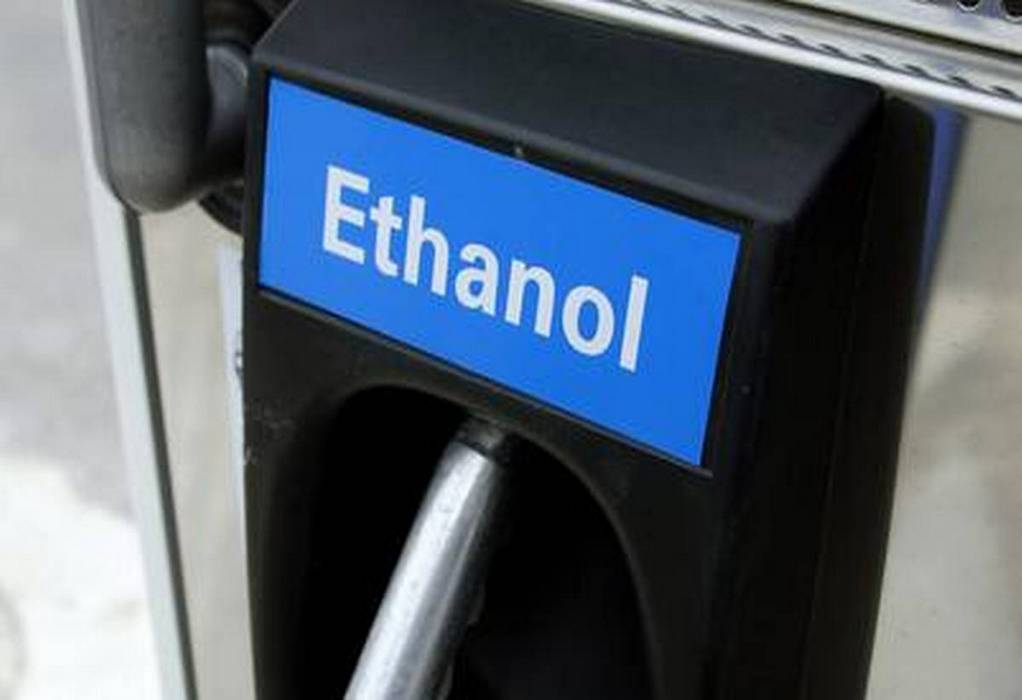
RUDN University chemists have improved the catalyst for ethanol conversion. With it, a mixture of compounds with a high-octane number was obtained. This was achieved thanks to a special substrate for the activated carbon catalyst. In the future, such developments will help to obtain more environmentally friendly fuel additives and thus reduce the carbon footprint. The results are published in Fuel.
The chemists took a catalyst consisting of molybdenum, cobalt, potassium and sulfur (KCoMoS2). Such catalysts are usually enhanced with a scaffold support. RUDN University chemists compared several substrates. One consisted of alumina – aluminum oxide. The second substrate was also made of alumina, but additionally coated with carbon. Two more substrates consisted entirely of activated carbon.
Recent Posts
HYBRID
GRSE Signs ₹1,032-Crore ONGC Contract for Four Hybrid Offshore Supply Vessels
EV
Energy In Motion Opens ₹500-Crore Electric Truck Plant in Pune
Fuels
Aegis Logistics Commissions 35,000-Tonne LPG Bottling Plant at JNPA