
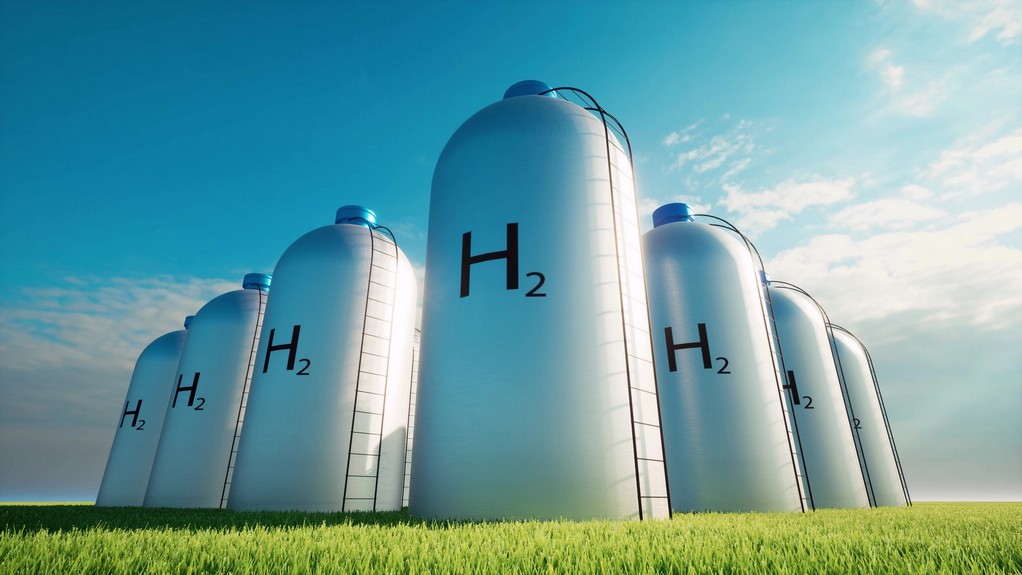
Researchers at the University of Adelaide announced that they made clean hydrogen fuel from seawater without pre-treatment. Demand for hydrogen fuel, a clean energy source that only produces water when burned, is expected to increase in the coming years as the world continues to pivot away from fossil fuels. The findings could eventually provide cheaper green energy production to coastal areas.
The team says its results, using cobalt oxide with chromium oxide on its surface as the catalyst, had similar performance to a standard process of applying platinum and iridium catalysts to highly purified and deionized water.
Compared to freshwater, seawater is an abundant resource, and the ability to extract hydrogen fuel from seawater without pre-treatment could save money. However, even if successfully scaled, it would likely only be practical for coastal communities with plenty of seawater — not so much for Iowa or Kansas.
The team’s next step is to scale the system with a larger electrolyzer. Then, although it’s still early in development, the researchers hope to eventually apply the findings to commercial hydrogen production for fuel cells and ammonia synthesis.
Recent Posts
Marine
82% of Maritime Professionals Say Current Training Falls Short of Operational Needs, Study Finds
Ammonia
Maersk Tankers Ammonia Retrofit Project Advances Towards EU Support
Policy
EU Maritime Innovation Projects Advance in €3.4-Billion Funding Selection