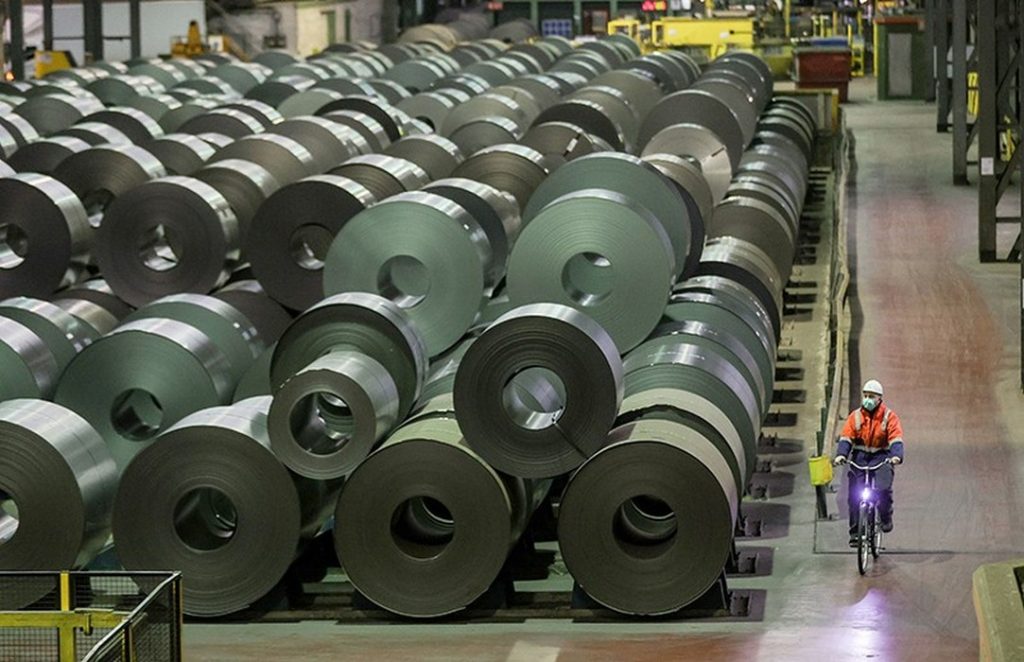
India is the second-largest producer of steel and cement in the world, and both are emission-intensive hard-to-abate industries
“India’s Existing Steel And Cement Plants Will Require Rs 47 Trillion ($ 627 Billion) In Additional Capital Expenditure (CAPEX) To Achieve Net-Zero Carbon Emissions,” The Council On Energy, Environment And Water (CEEW) Report Said.
The domestic steel and cement industry will require an additional Rs 47 trillion investment to meet net zero targets, according to a report.
India is the second-largest producer of steel and cement in the world, and both are emission-intensive hard-to-abate industries.
These two sectors will need Rs 1 trillion each year in additional operational expenditure (OPEX) to go net-zero, the report added.
The CEEW analyses also found that an 825 per cent reduction in steel emissions and a 32 per cent reduction in cement emissions is possible without any price increase by adopting efficient technologies such as waste-heat recovery and energy-efficient drives and controls.
Moreover, a 33 per cent reduction in the combined carbon emissions of the steel and cement industries could be achieved with just 8.5 per cent of the total additional CAPEX and 30 per cent of the additional annual OPEX. This reduction can be done without considering the need for carbon capture and with the requisite supply of alternative fuels and raw materials.
Recent Posts
Ammonia
Maersk Tankers Ammonia Retrofit Project Advances Towards EU Support
Policy
EU Maritime Innovation Projects Advance in €3.4-Billion Funding Selection
Policy
Shanghai–Melbourne Green Shipping Corridor Sets 2035 Vessel Deployment Goal