


A.P. Moller – Maersk (Maersk) has the ambition to be Net Zero across business and provide customers with 100% green solutions by 2040. To achieve this goal, there is a strong need to decarbonise logistics at every stage. It is important not only for Maersk to achieve these sustainability goals but for the customers too,


In a step towards low carbon transition to adopt a carbon neutral growth strategy, Indian Railways has awarded an ambitious infrastructure project worth Rs 210 crore for creation of 411 washing/pit lines across the country. Indian Railways has implemented provision of 750 volt power supply for maintenance of Linke Hofmann Busch (LHB) rakes at washing/pit

Methane has a greenhouse effect 80 times worse than carbon dioxide over a 20-year period, and emissions are skyrocketing even as we start reducing CO2. That makes UCF’s new hydrocarbon-capturing, sunlight-powered catalyst a very compelling idea. Researchers at the University of Central Florida’s Nanoscience Technology Center and Florida Space Institute say they’ve come up with
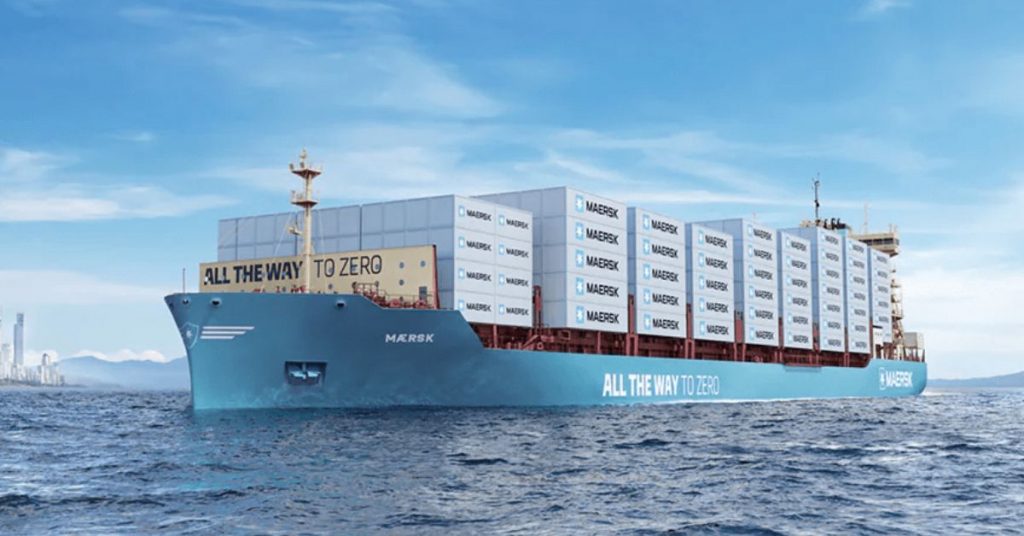
Container shippers are ordering vessels powered by methanol to reduce greenhouse gas emissions, but it will take years for renewable methanol output to meet demand and for costs to fall. The first green methanol-fuelled container ship, owned by A.P. Moller-Maersk, sailed from South Korea in July. The number of such vessels is expected to exceed

A cargo ship fitted with giant, rigid British-designed sails has set out on its maiden voyage. Shipping firm Cargill, which has chartered the vessel, hopes the technology will help the industry chart a course towards a greener future. The WindWings sails are designed to cut fuel consumption and therefore shipping’s carbon footprint. It is estimated

Three shipowners have accepted to take up the absolute zero emissions challenge posed by the Zero Emissions Ship Technology Association (ZESTA), a global industry body representing technologies and fuel providers who are already committed to absolute zero. The three shipowners are Hong Kong-based tanker and bulker firm Wah Kwong, Veer Voyage, a Bahamas-headquartered containerline and

Mitsubishi Shipbuilding, a part of Mitsubishi Heavy Industries Group, is developing an ammonia handling system to support the utilization of ammonia as a marine fuel. The new system named the Mitsubishi Ammonia Supply and Safety System (MAmmoSS) could be used to significantly reduce greenhouse gas (GHG) emissions from ships. As part of this development project,
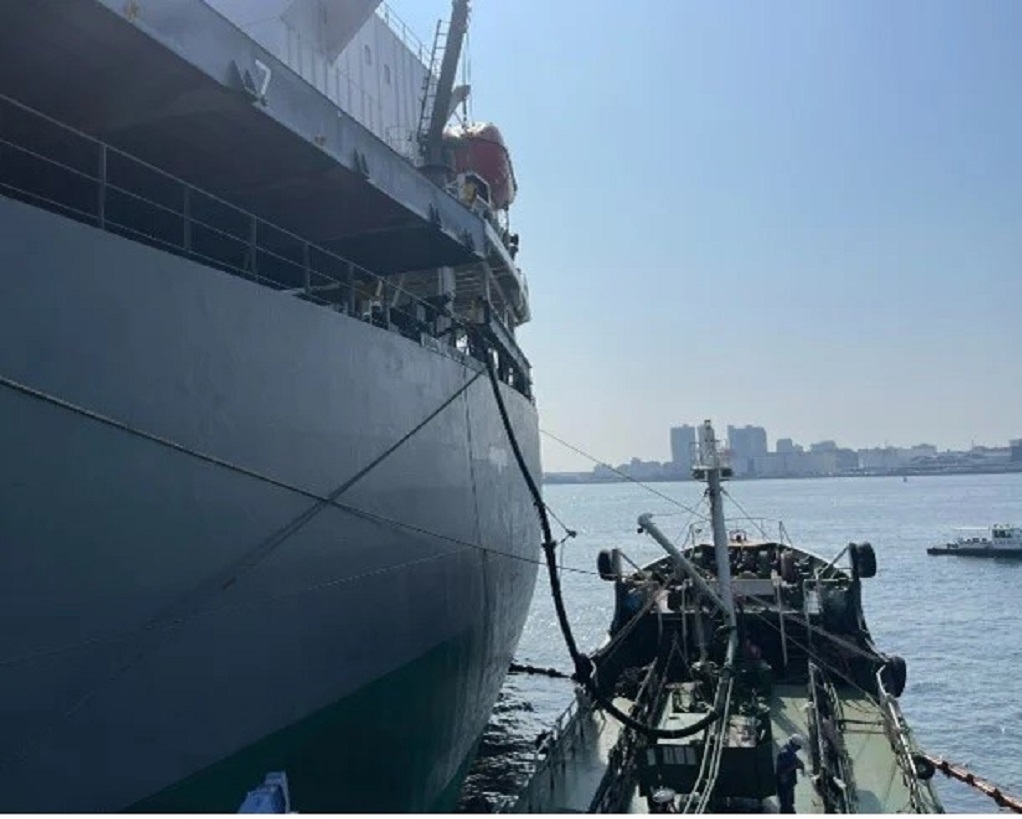
Japanese shipping heavyweight Nippon Yusen Kabushiki Kaisha (NYK) in cooperation with its subsidiary Asahi Shipping and compatriot steel production major Kobe Steel has completed a biofuel ship-to-ship bunkering operation on the bulk carrier Sunrise Serenity. The vessel was supplied with biofuel by Toyota Tsusho Marine Fuels Corporation and consumed biofuel on its route to the

Adani Electricity Mumbai revealed that the company is investing over Rs 2,000 crore to build two new transmission lines in the city. This is part of their efforts to strengthen their network as the company moves closer to going more green by sourcing as much as 60 percent of the energy needed for the city

High profile decisions at July’s Marine Environment Protection Committee will accelerate the International Maritime Organization’s decarbonisation ambitions for shipping, but a proposal of apparently smaller consequence could lay down a data marker for global emissions trading. Less convergence is apparent on carbon pricing. Proposals before MEPC 80 aim to incentivise greener fuels, with levy and