

With a goal of reducing CO2 emissions by 50% by 2030, Japan’s K Line has been testing various types of biofuels in its fleet to expand its experience In the latest trial, independent fuel supplier Peninsula arranged the delivery of 700 tonnes of UCOME-based B24 marine biofuel for K Line’s bulk carrier Cape Amal. The

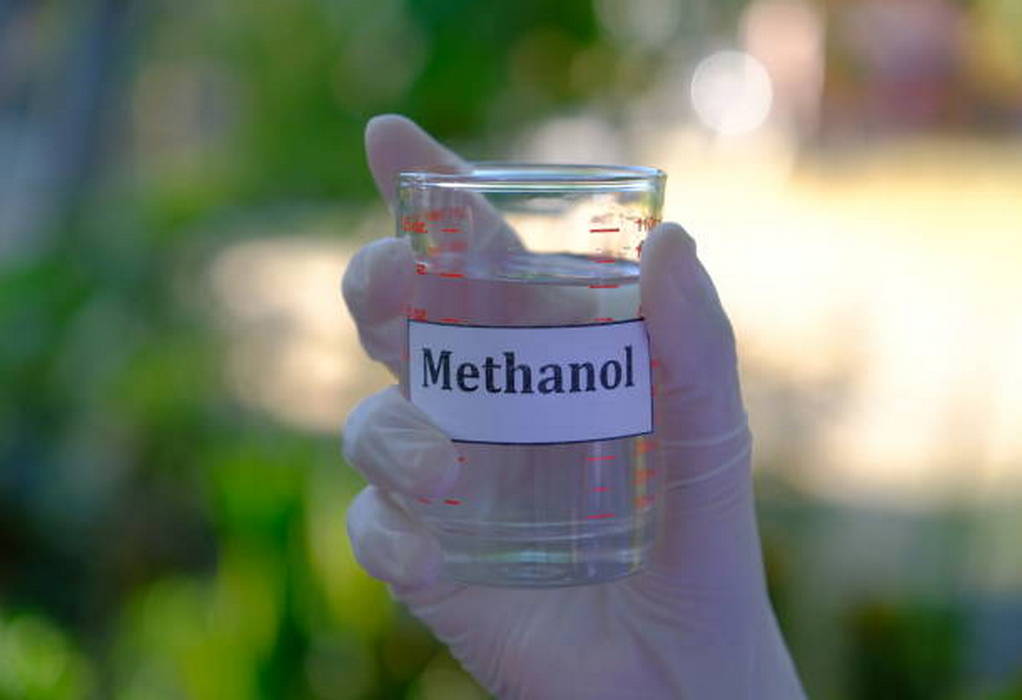
In Germany, European Energy selected Clariant’s methanol synthesis catalyst MegaMax for the world’s largest e-methanol project. Located in Kasso, Denmark, the facility is scheduled to start operations by the end of 2023. It will have the capacity to produce 32,000 tons of e-methanol annually from carbon dioxide using Clariant’s catalyst. MegaMax was chosen as it

A pioneering, all-Australian hydrogen electrolyser technology is getting the chance to prove itself at a commercial scale. If it works, the project has the potential to transform the economics of renewable hydrogen production. ARENA’s support has helped develop this new technology since it was a concept in a University of Wollongong laboratory. That work saw
Heidelberg Materials’ Edmonton cement plant is one key step closer to pouring the foundations of a full-scale carbon capture utilisation and storage (CCUS) system that could help make its operations carbon neutral. Five years in the making, a pilot system will pull 300kg per day of carbon from the plant’s production facility. The new CCUS
Adani Green Energy says it has completed 2.14 GW of solar-wind hybrid projects in the Indian state of Rajasthan. The installations collectively use 5.8 million 535 Wp solar modules and 353 wind turbines. Adani Green Energy has commissioned a 2.14 GW solar-wind hybrid cluster in Jaisalmer district, in the Indian state of Rajasthan. The site,
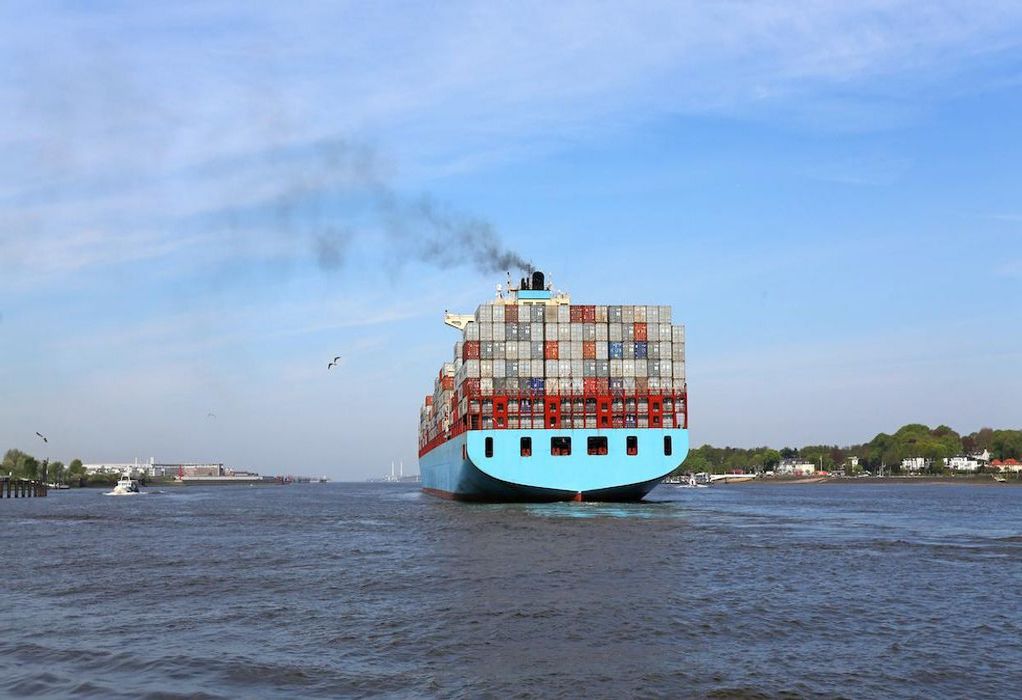
Danish owner and operator Norden and Canadian mining company Teck Resources have signed an agreement to reduce CO2 emissions in Teck’s steelmaking coal supply chain. The agreement is expected to reduce annual emissions from Teck shipments handled by Norden by 25%, or up to 6,700 tonnes of CO2. Norden said it would achieve the emission

Norwegian car carrier operator Wallenius Wilhelmsen has lined up up to 12 9,350 ceu vessels for construction in China which will be capable of running on methanol and ammonia-ready. The Oslo-listed company has signed a letter of intent with Jinling Shipyard Jiangsu for delivery of four firm ships from mid-2026, with options for an additional
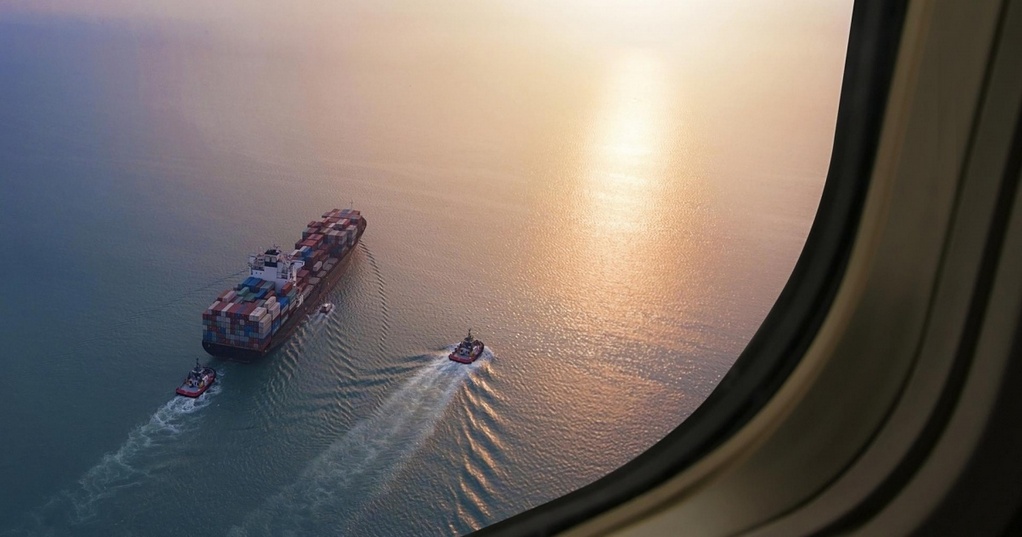
Neste and ScanOcean have brought Neste’s marine fuel enabling lower GHG emissions to the Swedish market. The first shipment of nearly 600,000 liters (500 metric tons) is now available at the Södertälje terminal for vessels bunkering in the Stockholm area as well as those in transit to Lake Mälaren. ScanOcean already has several interested clients.

Net carbon emissions can fall up to 20 percent if ships use a vegetable oil biofuel blend compared with marine gasoil, the results of a trial by the Global Centre for Maritime Decarbonisation found. The center’s third of five trials tested a dual-fuel liquefied petroleum gas (LPG) carrier by using a blend of 30 percent
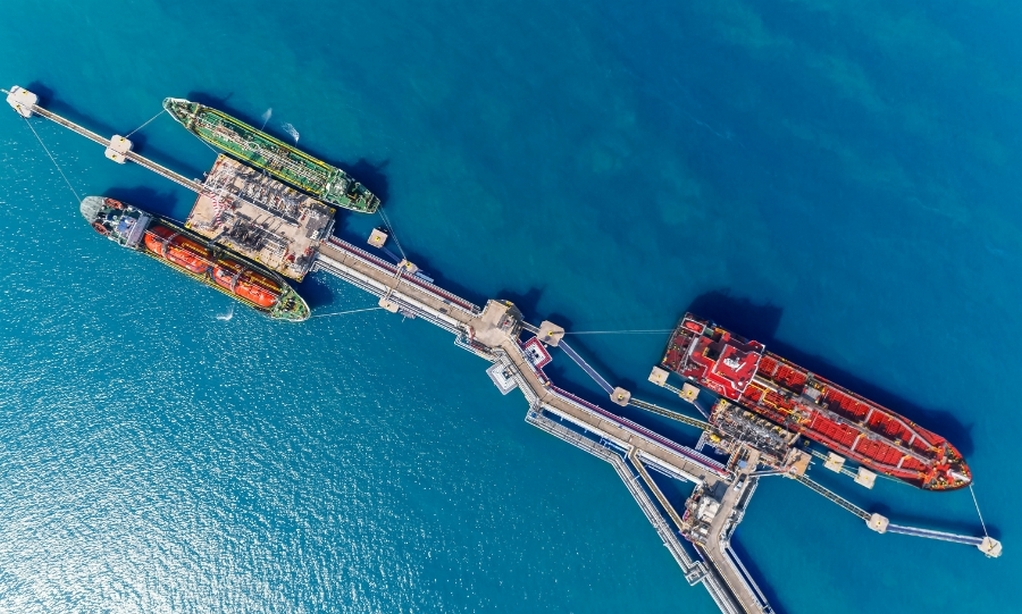
The Global Centre for Maritime Decarbonisation (GCMD) found carbon emissions fell 83% using a vegetable oil biofuel blend compared with marine gasoil in a trial for a dual-fuel liquefied petroleum gas (LPG) carrier, the centre said. This was the third of five supply chain bunkering trials that the GCMD has undertaken as part of an