
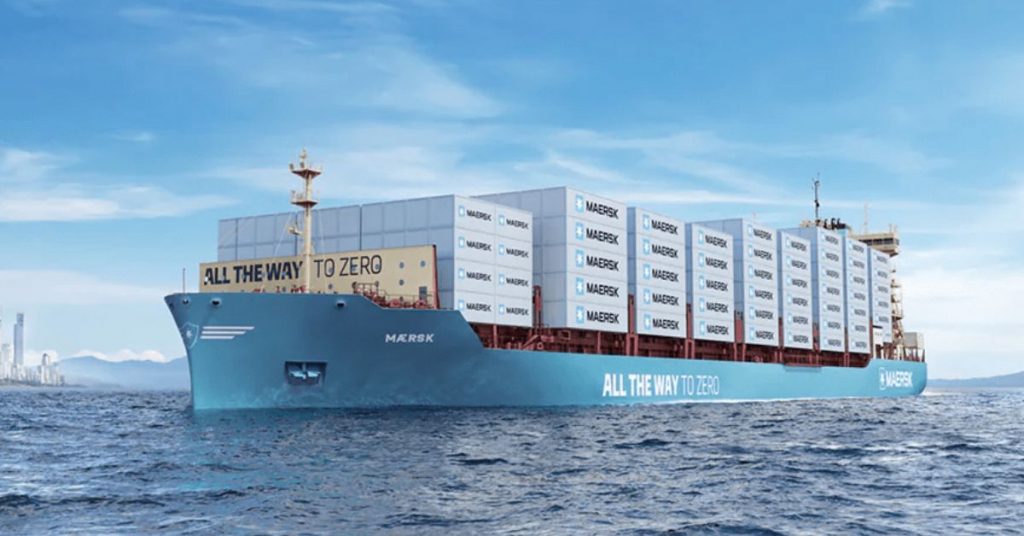
Container shippers are ordering vessels powered by methanol to reduce greenhouse gas emissions, but it will take years for renewable methanol output to meet demand and for costs to fall. The first green methanol-fuelled container ship, owned by A.P. Moller-Maersk, sailed from South Korea in July. The number of such vessels is expected to exceed


A cargo ship fitted with giant, rigid British-designed sails has set out on its maiden voyage. Shipping firm Cargill, which has chartered the vessel, hopes the technology will help the industry chart a course towards a greener future. The WindWings sails are designed to cut fuel consumption and therefore shipping’s carbon footprint. It is estimated

Three shipowners have accepted to take up the absolute zero emissions challenge posed by the Zero Emissions Ship Technology Association (ZESTA), a global industry body representing technologies and fuel providers who are already committed to absolute zero. The three shipowners are Hong Kong-based tanker and bulker firm Wah Kwong, Veer Voyage, a Bahamas-headquartered containerline and

Mitsubishi Shipbuilding, a part of Mitsubishi Heavy Industries Group, is developing an ammonia handling system to support the utilization of ammonia as a marine fuel. The new system named the Mitsubishi Ammonia Supply and Safety System (MAmmoSS) could be used to significantly reduce greenhouse gas (GHG) emissions from ships. As part of this development project,

Japanese shipping heavyweight Nippon Yusen Kabushiki Kaisha (NYK) in cooperation with its subsidiary Asahi Shipping and compatriot steel production major Kobe Steel has completed a biofuel ship-to-ship bunkering operation on the bulk carrier Sunrise Serenity. The vessel was supplied with biofuel by Toyota Tsusho Marine Fuels Corporation and consumed biofuel on its route to the

Adani Electricity Mumbai revealed that the company is investing over Rs 2,000 crore to build two new transmission lines in the city. This is part of their efforts to strengthen their network as the company moves closer to going more green by sourcing as much as 60 percent of the energy needed for the city

High profile decisions at July’s Marine Environment Protection Committee will accelerate the International Maritime Organization’s decarbonisation ambitions for shipping, but a proposal of apparently smaller consequence could lay down a data marker for global emissions trading. Less convergence is apparent on carbon pricing. Proposals before MEPC 80 aim to incentivise greener fuels, with levy and

A shipping line more heavily invested than most in ammonia as a future fuel has outlined plans to develop a bunkering boom for the gas. Nippon Yusen Kaisha (NYK) and TB Global Technologies, Japan’s top manufacturer of cargo handling equipment for crude oil, liquefied natural gas (LNG), and other liquids, have signed a basic agreement

Bloom Energy BE announced the installation of the first phase of a 10-megawatt solid oxide fuel cell in Unimicron Technology Corporation in Taiwan. The contract was delivered within five months from order, demonstrating the ability of Bloom Energy to quickly deliver power solutions to customers. BE’s energy platform protects company facilities against outages and weather-related
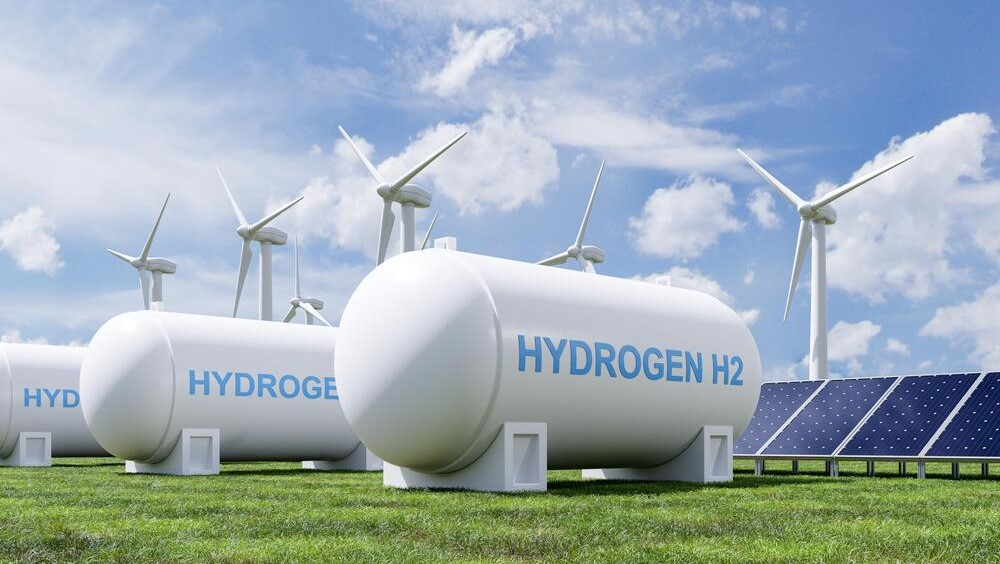
The government unveiled Green Hydrogen standards and included electrolysis and biomass-based methods in its definition. In a significant move for the progress of the National Green Hydrogen Mission, the government has notified the Green Hydrogen Standard for India, the New and Renewable Energy Ministry said in a statement. The standards issued by the ministry outline