
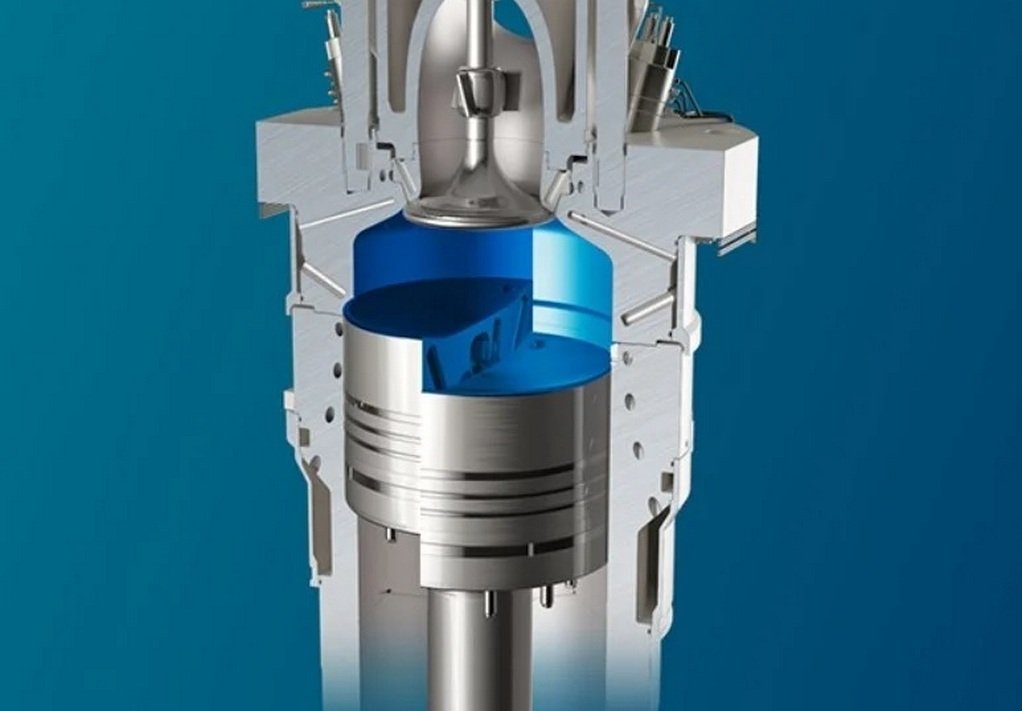
The agreement will see the partners work towards the potential introduction of X-DF-A ammonia-fuelled engines on vessels which would be among the first ammonia dual-fuelled tankers in the world

Approximately 95 percent of the carbon dioxide (CO2) generated from the production process is aimed to be captured and permanently stored in the ground.

Strategic Biofuels is developing a biofuel refinery that will be powered by an adjacent bioenergy with carbon capture and sequestration (BECCS) power plant for its LGF project in Columbia, Louisiana
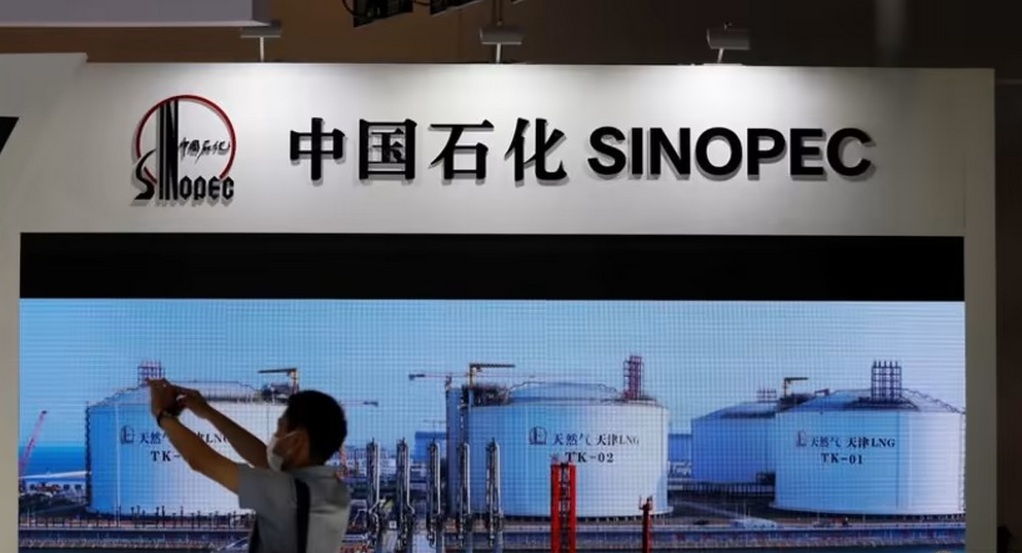
Sinopec’s first green hydrogen facility – has the capacity to produce 20,000 metric tonnes of hydrogen per year, using solar power to electrolyse water.
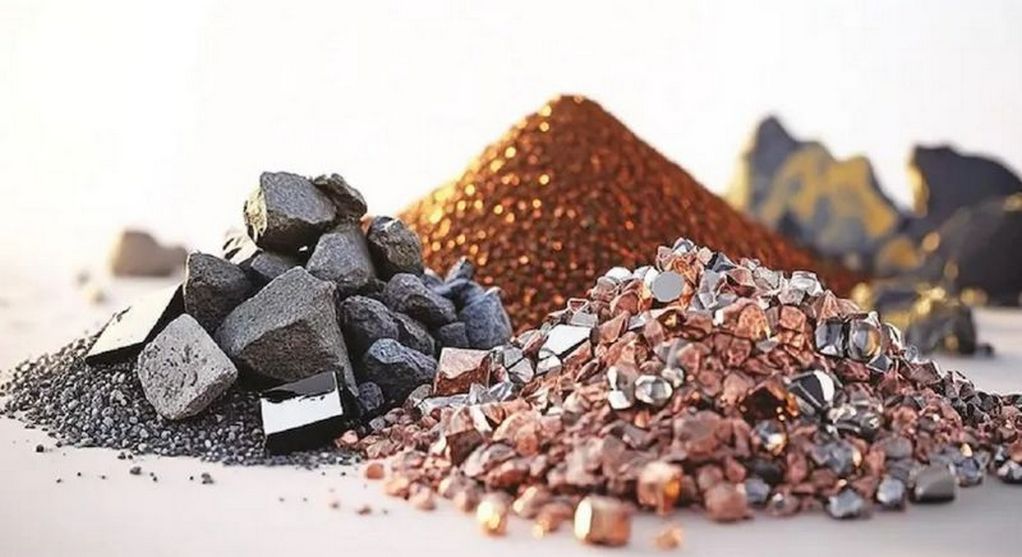
The Indian government has identified 30 critical minerals including lithium, cobalt and copper, stating that the listed minerals are essential for the country’s economic development and national security
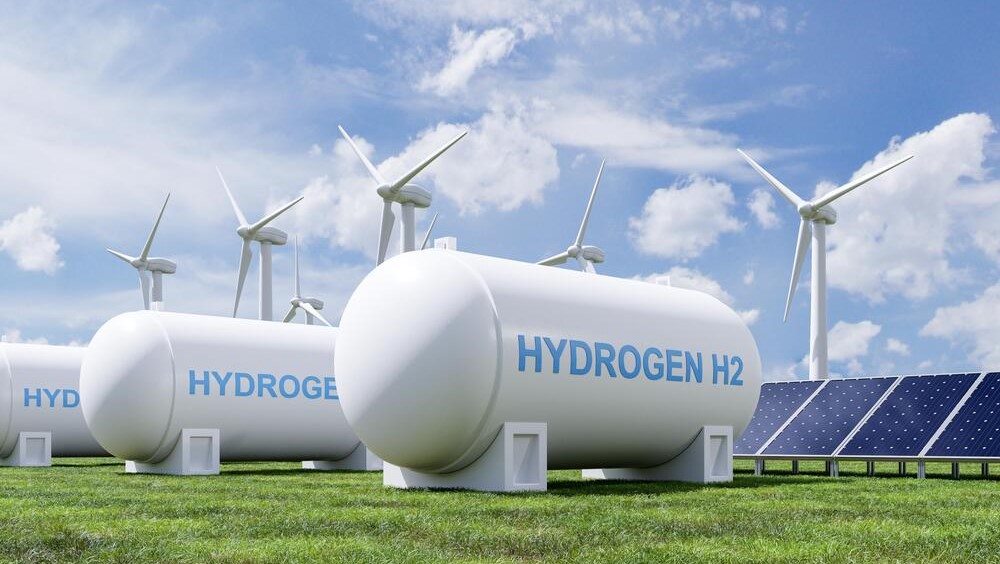
Blue hydrogen is produced by converting methane and steam into gray hydrogen, which is a polluting form of hydrogen. The process for producing blue and gray hydrogen is the same, but the management of CO2 differs.

In an e-auction, the firm sold 1.4 million standard cubic meters per day – a fraction of the planned output from the block that sits next to Reliance Industries’ prolific KG-D6 area in the Bay of Bengal, to Torrent Gas Pune Ltd, GAIL (India) Ltd and Hindustan Petroleum Corporation Ltd (HPCL).
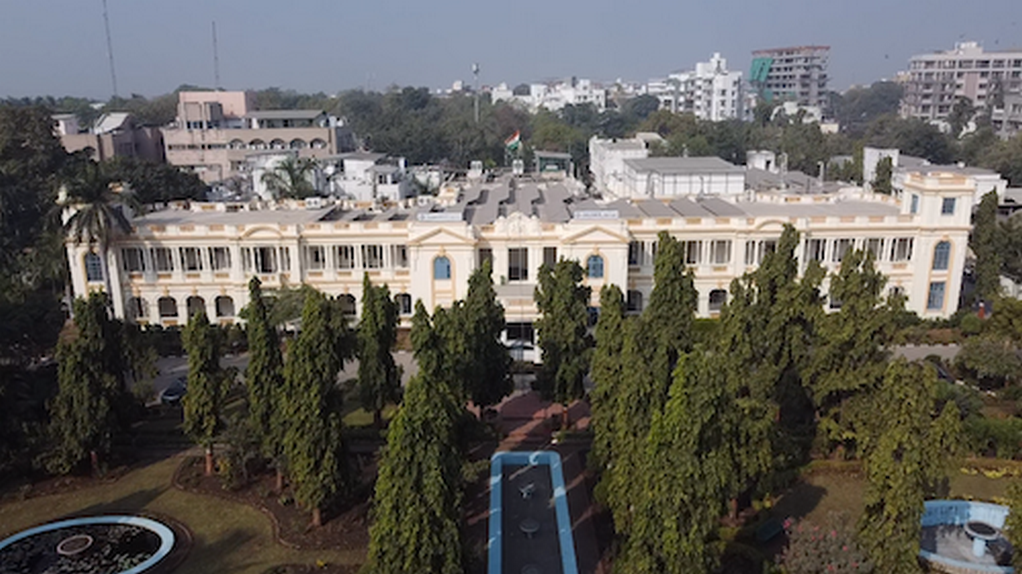
The Central Salt and Marine Chemicals Research Institute (CSMCRI), Bhavnagar has licensed its technology to extract crude oil from a species of microalga to Tata Chemicals Limited (TCL), Mumbai for production of automobile fuel.
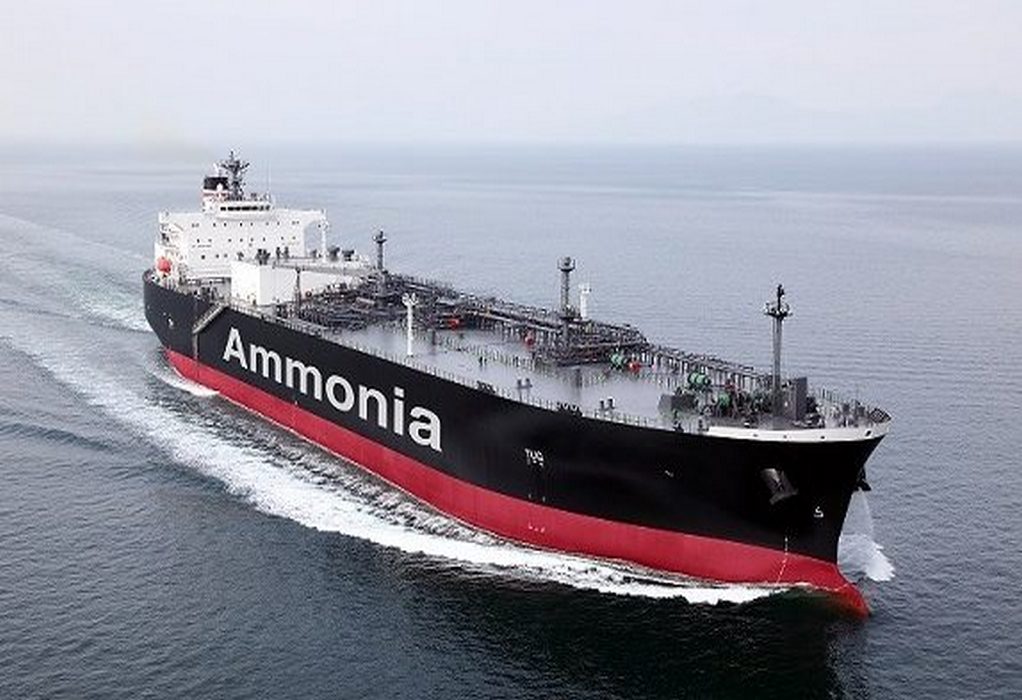
‘Recommendations for Design and Operation of Ammonia-Fuelled Vessels based on Multi-disciplinary Risk Analysis’ presents the most comprehensive study to date of the effectiveness of risk mitigation measures in three ammonia-fuelled vessels – a container ship, a tanker, and a bulk carrier.
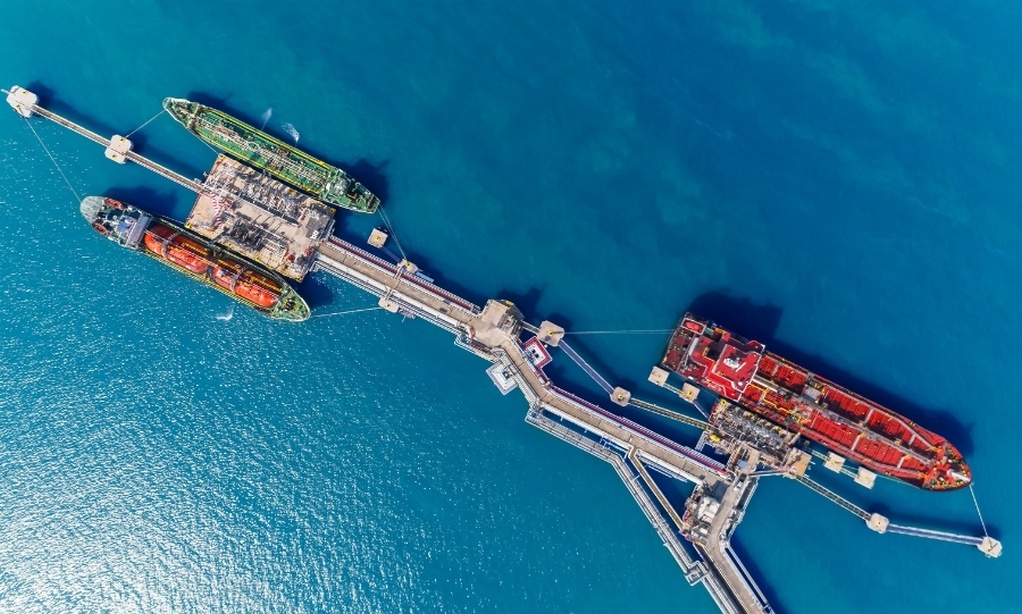
Over 80 per cent of global trade by volume and 70 per cent by value, transported via ships, would be notably affected by these cost changes. Small island developing states (SIDs) and least developed countries (LDCs), heavily dependent on imports and exports and distanced from major trade routes, are prone to increased transport costs.