
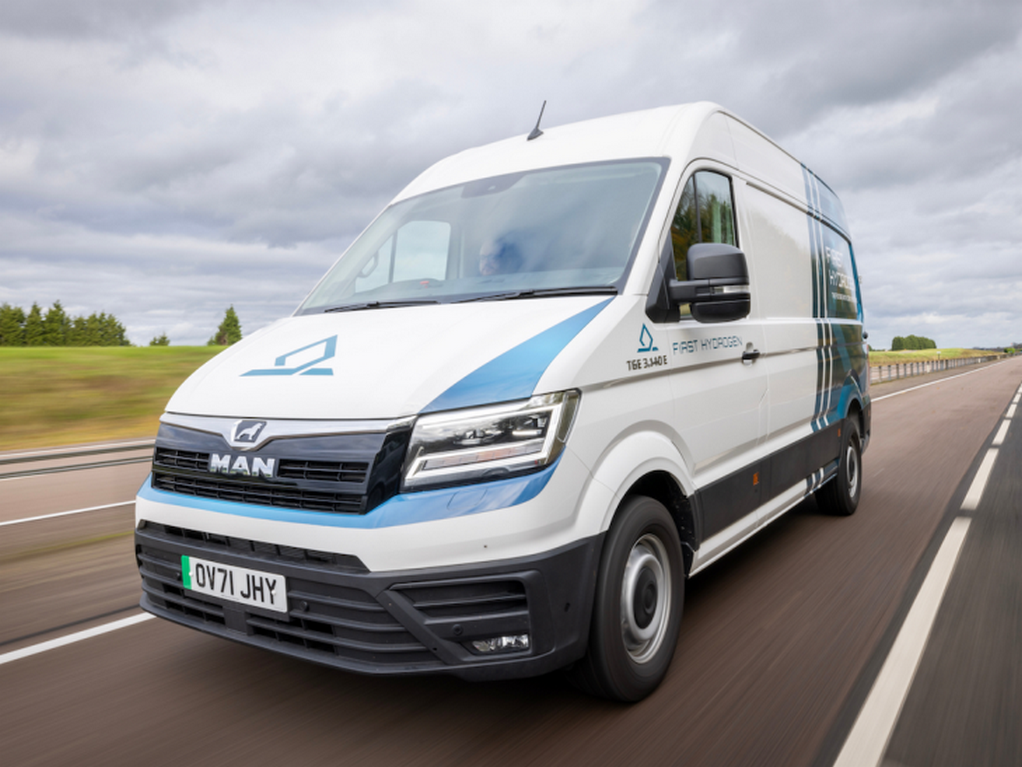
SSE will be the first utility to trial the hydrogen-powered vehicle – and the first to put it to the test in real-life fleet operations by deploying the vehicle with SSE engineers. The project will enable First Hydrogen’s team to gather data on fuel consumption, usage, and efficiency. The trials are being used to inform

The collaboration will focus on exploring opportunities to supply clean ammonia as a marine fuel to First Movers in the shipping industry along key trade routes and bunkering ports in various geographical regions.

MAN estimates that 2,800 vessels with MAN two- and four stroke engines are eligible for conversion today and could save more than 97m tons of carbon dioxide (CO2) emissions annually when run on green fuels.
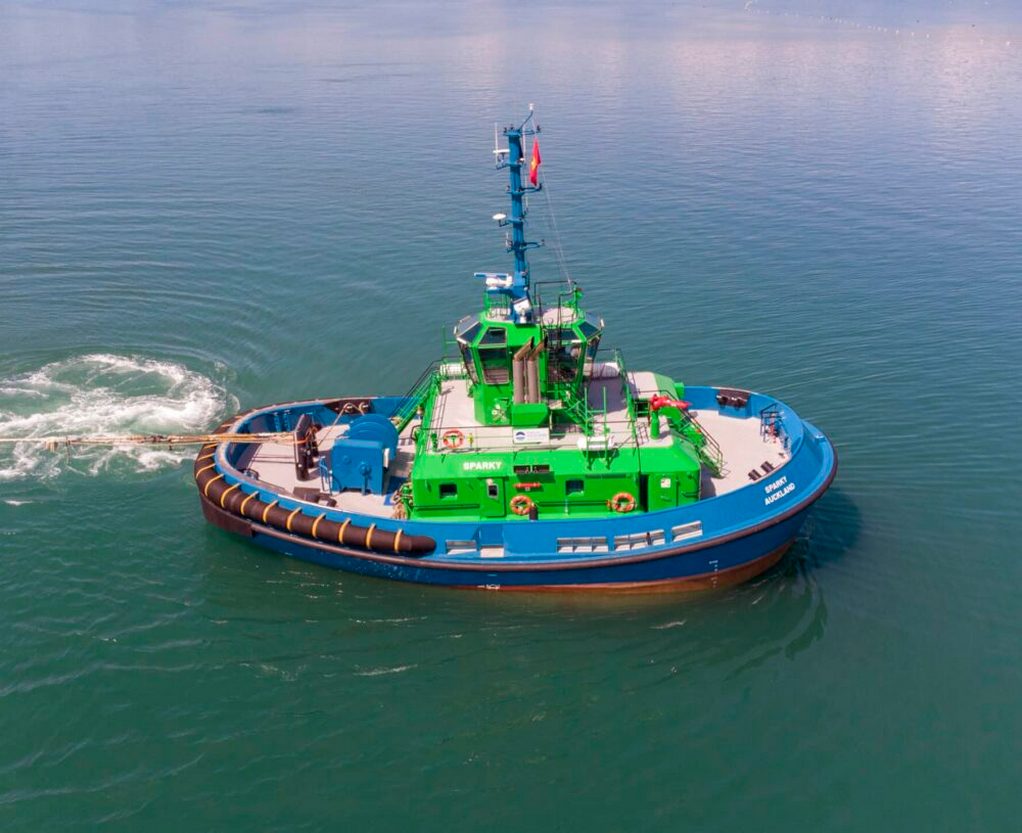
K Line tested the biodiesel could be used without changing the specification of its existing marine diesel engine by mixed combustion with heavy fuel oil, which is the main fuel for this 199-gt tugboat.
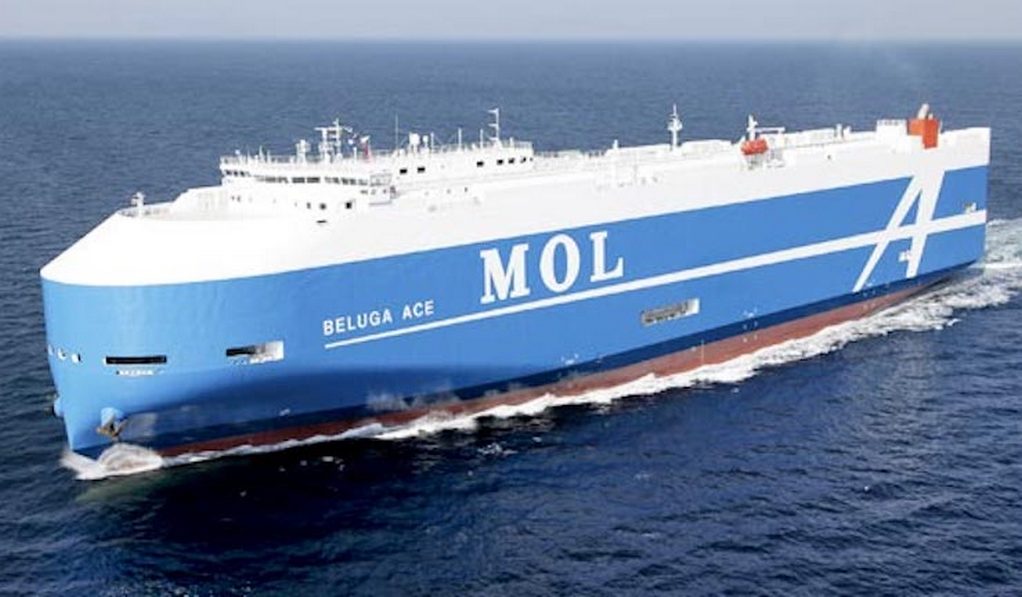
The partnership will see joint studies carried out on next-generation fuels in various regions around the world including safety measures and legislation for lower-carbon efforts in the marine fuels sector.

ONGC has achieved a significant cost reduction of approximately $43,000 per day by connecting the platform with subsea pipeline. Additionally, the submarine pipeline connection minimizes the production downtime associated with tanker changeovers and eliminates demurrage charges during adverse weather conditions

However, “this extension is subject to the fulfilment of all other prescribed conditions as stipulated in the Motor Vehicles Act, 1988, Central Motor Vehicles Rules (CMVR), 1989, and Delhi Motor Vehicles Rules (DMVR), 1993”, the Transport Department said.

The visualisation is stunning since CO2, one of the biggest contributors to global warming and climate change is invisible to the naked eye.
A plan finalized by the Environmental Protection Agency sets biofuel blending volumes at 20.94 billion gallons in 2023, 21.54 billion gallons in 2024 and 22.33 billion gallons in 2025.
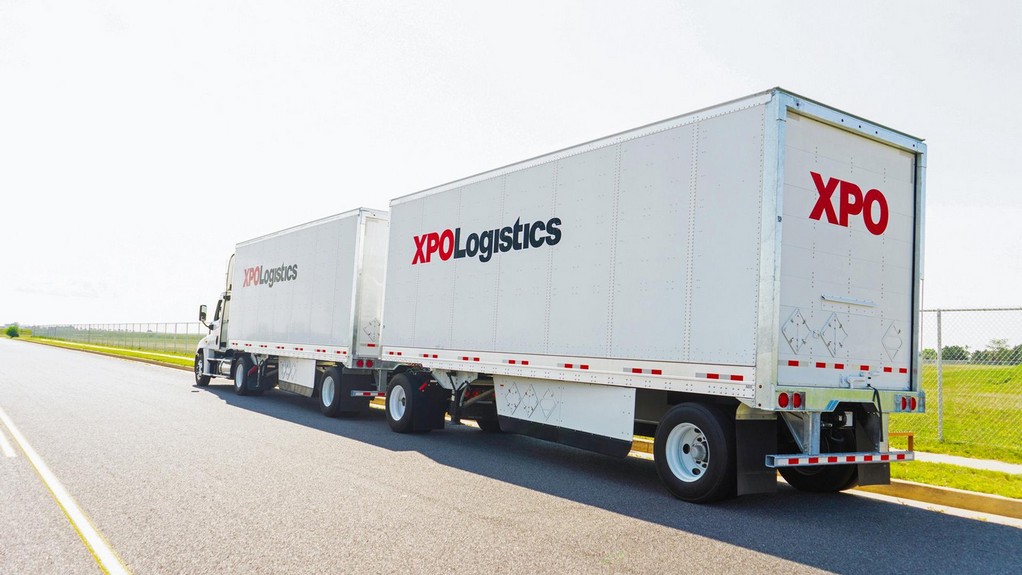
The companies plan to make the aftersales supply chain more sustainable by using trucks that run on hydrotreated vegetable oil (HVO). The renewable fuel is made from vegetable oil, tallow or used cooking oil and is made from 100% renewable waste