
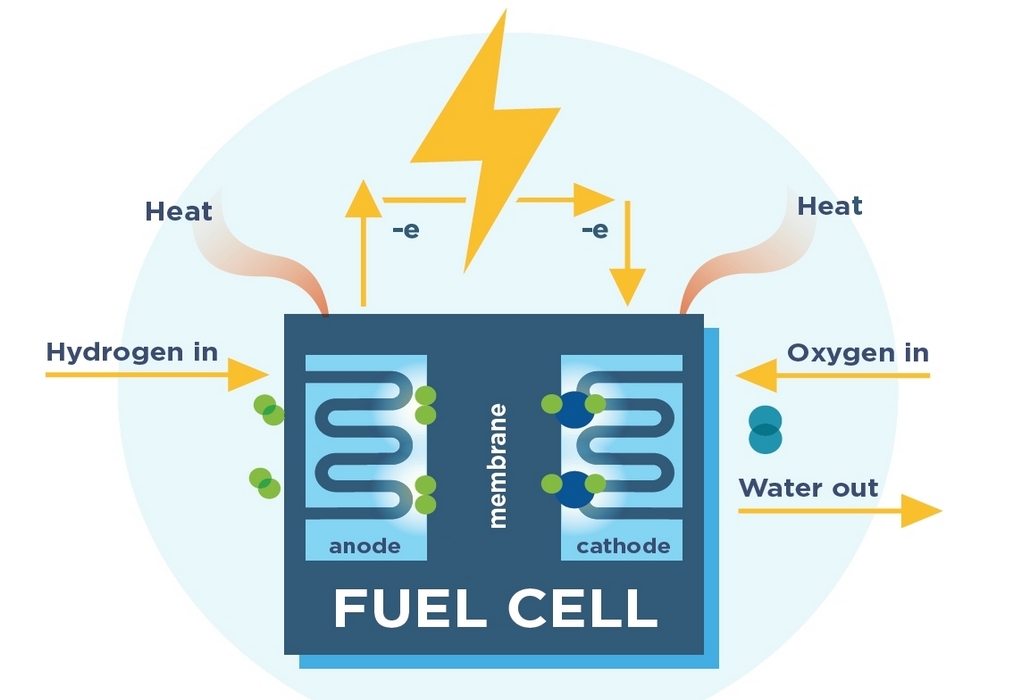
South Korean shipbuilder Samsung Heavy Industries (SHI) has received approval in principle (AiP) for the technology based on combining liquefied hydrogen and polymer electrolyte membrane fuel cell (PEMFC) from Norwegian classification society DNV SHI said it is the first shipbuilder in the maritime sector to develop fuel-cell technology for ships. The company said it acquired

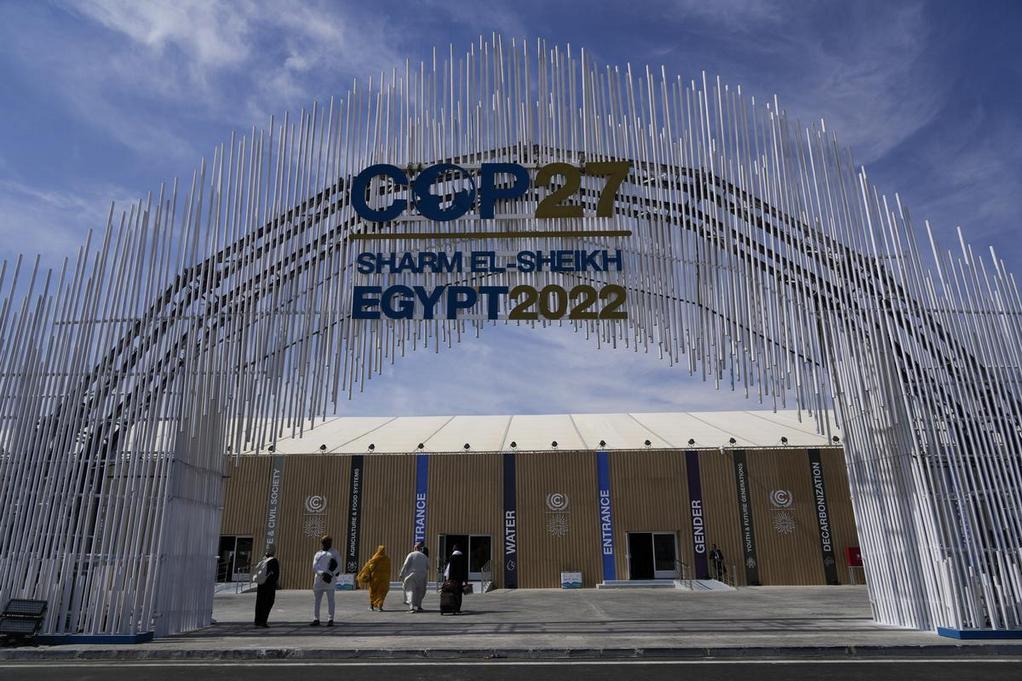
Developing countries require substantive enhancement in climate finance from the floor of $100 billion per year to meet their ambitious goals and rich countries need to lead the mobilisation of resources, India has stressed at the ongoing UN climate summit COP27. At COP15 in Copenhagen in 2009, developed countries had committed to jointly mobilise $100
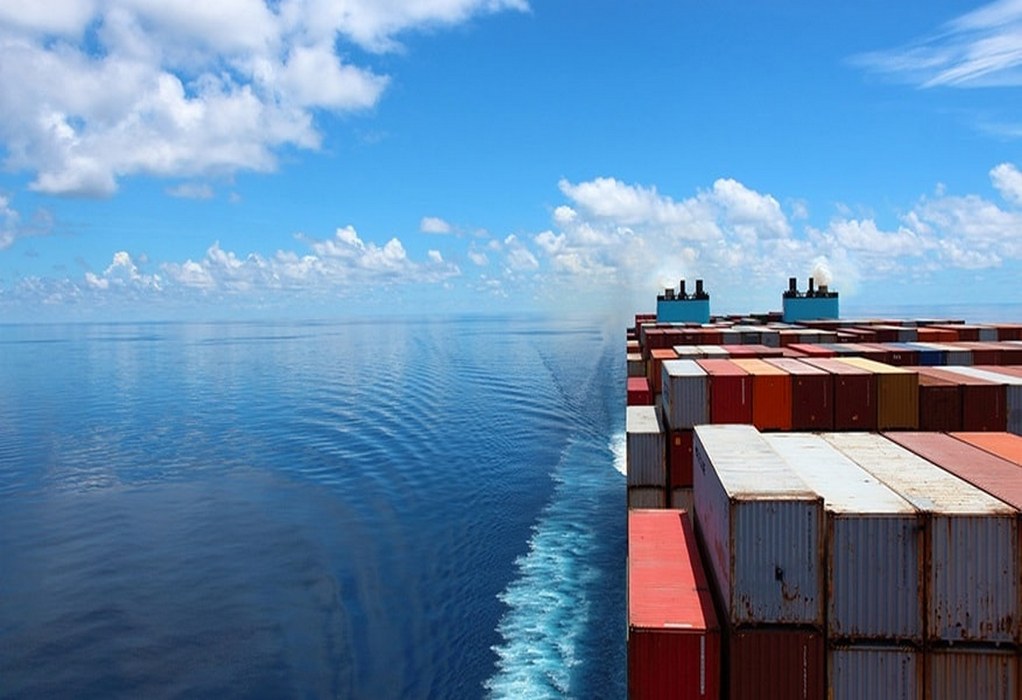
Halten Bulk has moved to build a pair of hydrogen-fuelled bulkers following NOK142m ($13.8m) funding from government enterprise Enova. Halten Bulk, owned by Brødrene Nordbø, Egil Ulvan, and Strand Shipping, was founded in 2014 and currently operates seven short-sea bulk vessels. The two new vessels have been designed by Norwegian Ship Design, which now has
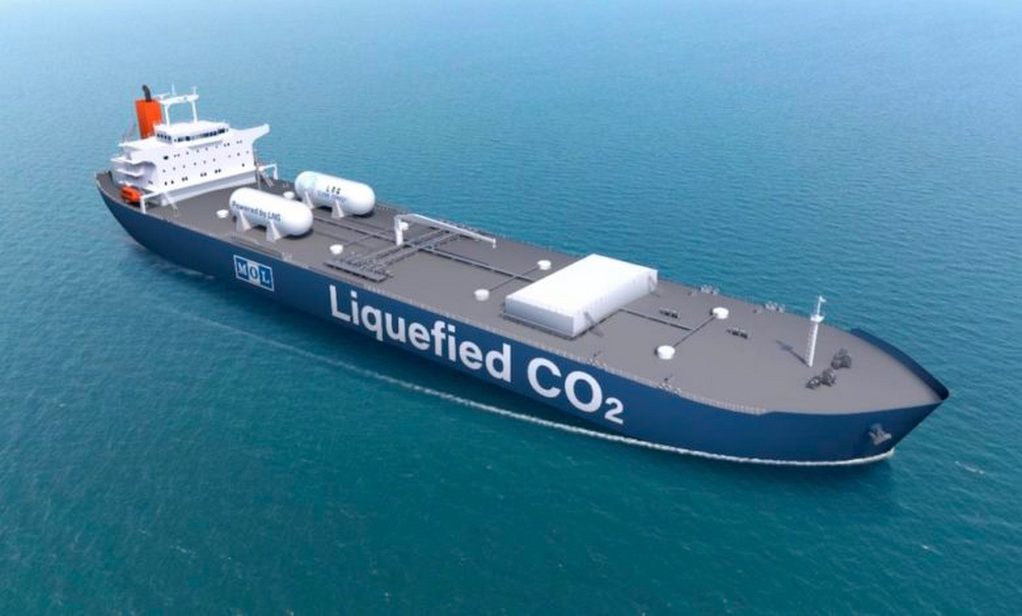
Chevron Corporation and Mitsui OSK Lines (MOL) have signed a joint study agreement on the feasibility of transporting liquified carbon dioxide (CO2) from Singapore to permanent storage locations offshore Australia. Chevron and MOL will explore the technical and commercial feasibility of initially transporting up to 2.5m tonnes per annum of liquified CO2 by 2030. The
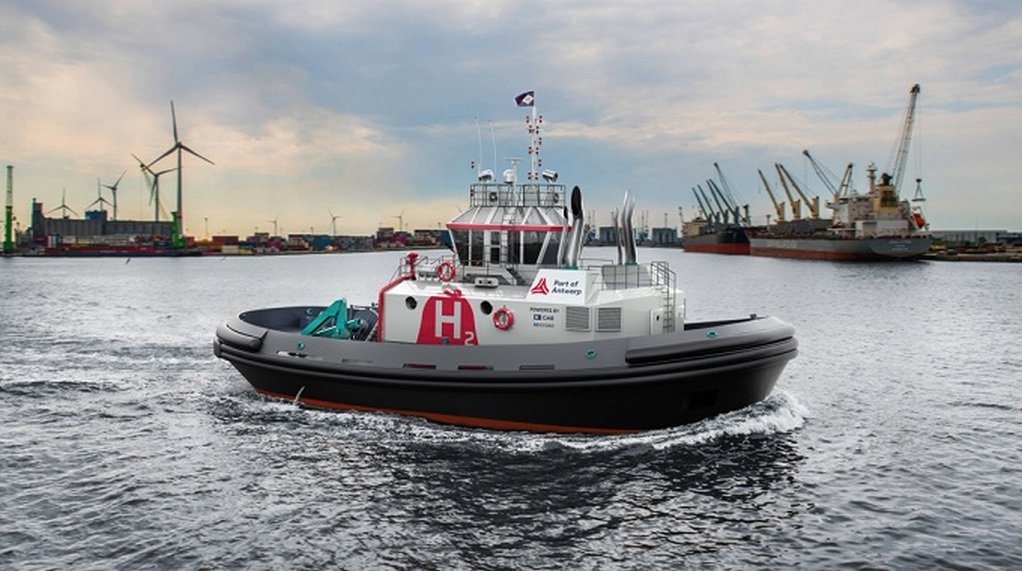
Samsung Heavy Industries has debuted a liquefied hydrogen fuel cell system. The South Korean shipbuilding major has received an approval in principle from DNV for its polymer electrolyte membrane fuel cell, which it has developed in association with compatriot firms Bumhan Fuel Cell, Jungwoo ENE and S&SYS. In 2020, Bloom Energy and Samsung Heavy Industries

The world’s first commercial scale CO2-to-methanol plant has started production in Anyang, Henan Province, China. The cutting-edge facility is the first of its type in the world to produce methanol — a valuable fuel and chemical feedstock — at this scale from captured waste carbon dioxide and hydrogen gases. The Shunli CO2-to-Methanol plant in Anyang,

Yara Clean Ammonia has partnered up with US-based energy tech startup Amogy to explore the latter’s ammonia-to-power system as a zero-emissions solution for use in future shipping projects. The Amazon and Saudi Aramco-backed Amogy has developed a platform, already demonstrated in a drone and heavy-duty tractor, which relies on ammonia cracking technology in which hydrogen
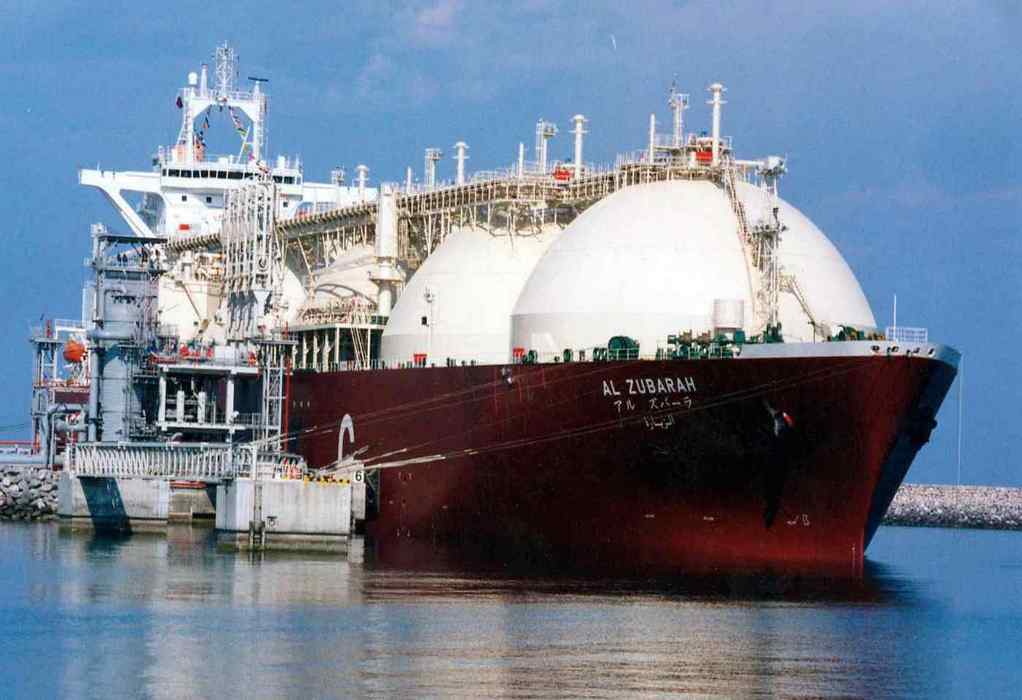
Japan’s Mitsui OSK Lines (MOL) has signed another long-term charter contract with QatarEnergy for three newbuild liquefied natural gas (LNG) carriers. The vessels will be built at CSSC-affiliated Hudong-Zhonghua Shipbuilding and are scheduled for delivery in 2027. MOL signed a long-term charter contract with QatarEnergy in April 2022 for four newbuilds, and the latest deal
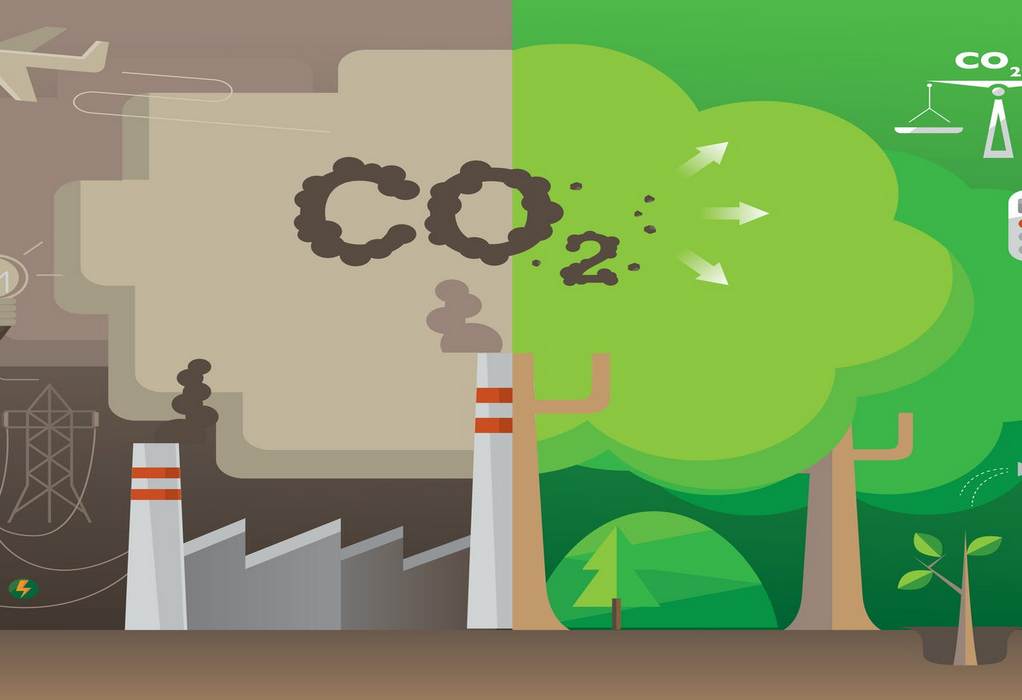
A UN-convened group has launched a major new report at COP27 to crackdown on corporate greenwashing around net-zero claims, outlining key recommendations to ensure non-state actors are actively working towards decarbonisation. The High Level Expert Group on Net Zero Emissions Commitments of Non-State Entities was set up by UN Secretary-General António Guterres in March 2022

France’s secretary of state in charge of maritime affairs, Hervé Berville, has set aside €300m ($302m) under the government’s France-Mer 2030 plan to get the country closer to building zero-emissions vessels. While only 12% of the ships used in France are built in the country, compared to 80% in 1980, Berville stressed at a conference