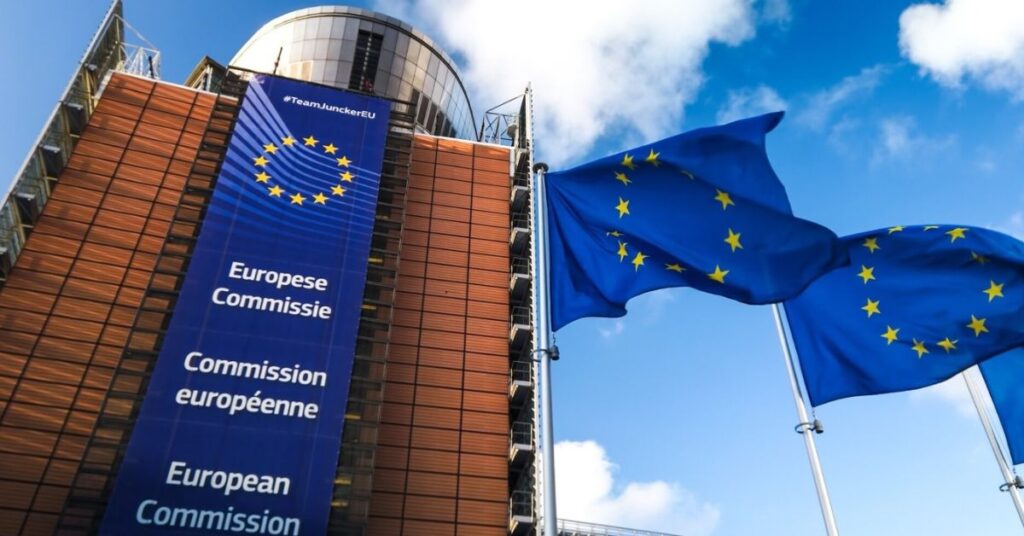
The European Union will reaffirm its commitment to advancing global climate action at the UN COP30 Climate Change Conference, taking place in Belém, Brazil, from 10–21 November 2025. The EU delegation will focus on accelerating the global clean energy transition, enhancing climate resilience, and ensuring the fair implementation of the Paris Agreement.
The EU’s position centres on promoting a clean, fair, and inclusive transition that provides affordable energy, fosters industrial competitiveness, and creates new business opportunities without leaving vulnerable communities behind.
European Commission President Ursula von der Leyen said: “At COP30 this week, we will underline our strong commitment to the Paris Agreement. The global clean transition is ongoing and irreversible. It is our priority to ensure that this transition is fair, inclusive and equitable. In Belém, we will listen to our global partners and discuss the key issues. To keep our shared goal in sight, we must recognise diverse national realities and work together to deliver.”
Focus on Ambition, Implementation, and the Global Stocktake
COP30 marks a critical milestone in stepping up efforts to meet the Paris Agreement targets, first adopted ten years ago. The EU is expected to call for a collective global response to ambition and implementation gaps, urging all parties to accelerate clean energy transitions, reduce the duration of temperature overshoots beyond 1.5°C, and ensure the full implementation of COP commitments.
Key priorities include advancing the Global Stocktake (GST), the first formal assessment of progress under the Paris Agreement, and following up on the Global Pledges to triple renewable energy capacity and double energy efficiency rates by 2030. These initiatives align with the EU’s Global Climate and Energy Vision, which aims to help partner countries transition away from fossil fuels towards renewables and climate resilience.
New EU NDC: Up to 72.5% Emission Reduction by 2035
Ahead of COP30, the EU will submit its new Nationally Determined Contribution (NDC) to the UNFCCC, targeting a net greenhouse gas emissions reduction of 66.25–72.5% below 1990 levels by 2035. The NDC covers all economic sectors and greenhouse gases and sets a trajectory towards a 90% net reduction by 2040, consistent with achieving climate neutrality by 2050.
Carbon Markets and Adaptation Indicators
The COP30 Presidency plans to launch the Open Coalition for Compliance Carbon Markets, bringing together countries already implementing or preparing carbon pricing mechanisms. The EU negotiating team will also seek an agreement on climate adaptation indicators under the UAE–Belém Framework for Global Climate Resilience, aimed at helping countries monitor progress and strengthen preparedness.
Scaling Up Climate Finance
Climate finance is expected to be another central topic in Belém. The ‘Baku to Belém Roadmap’, co-led by Azerbaijan and Brazil, outlines a plan to scale up financial flows to developing nations to at least $1.3 trillion annually by 2035. This initiative aims to mobilise both public and private resources, prioritising the needs of Least Developed Countries (LDCs) and Small Island Developing States (SIDS).
In 2024, the EU and its Member States contributed €31.7 billion in public climate finance and mobilised an additional €11 billion in private investment, reinforcing their position as the world’s largest provider of public climate finance.
EU Representation at COP30
President Ursula von der Leyen will address the World Leaders’ Summit on 6 November and participate in a High-Level Roundtable on Industry Decarbonisation the following day. She will also join discussions dedicated to the energy transition.
Executive Vice-President Teresa Ribera took part in the COP30 Local Leaders Forum in Rio de Janeiro, while Commissioner Wopke Hoekstra will lead the EU’s negotiating team, coordinating closely with the Danish Council Presidency and EU Member States. Commissioner Jørgensen will co-chair the Global Methane Pledge with Canada and participate in COP30 Energy Days and other high-level energy discussions.
Background
Under the 2015 Paris Agreement, 194 countries committed to limiting global temperature rise to well below 2°C and pursuing efforts to keep it below 1.5°C. The EU has already cut emissions by 37% since 1990 while growing its economy by nearly 70%, accounting for only 6% of global emissions. The EU remains on track to reduce emissions by at least 55% by 2030 and achieve climate neutrality by 2050, supported by comprehensive measures such as expanded carbon pricing, the Social Climate Fund, and funding from the Innovation and Modernisation Funds.
Recent Posts
HYBRID
GRSE Signs ₹1,032-Crore ONGC Contract for Four Hybrid Offshore Supply Vessels
EV
Energy In Motion Opens ₹500-Crore Electric Truck Plant in Pune
Fuels
Aegis Logistics Commissions 35,000-Tonne LPG Bottling Plant at JNPA