

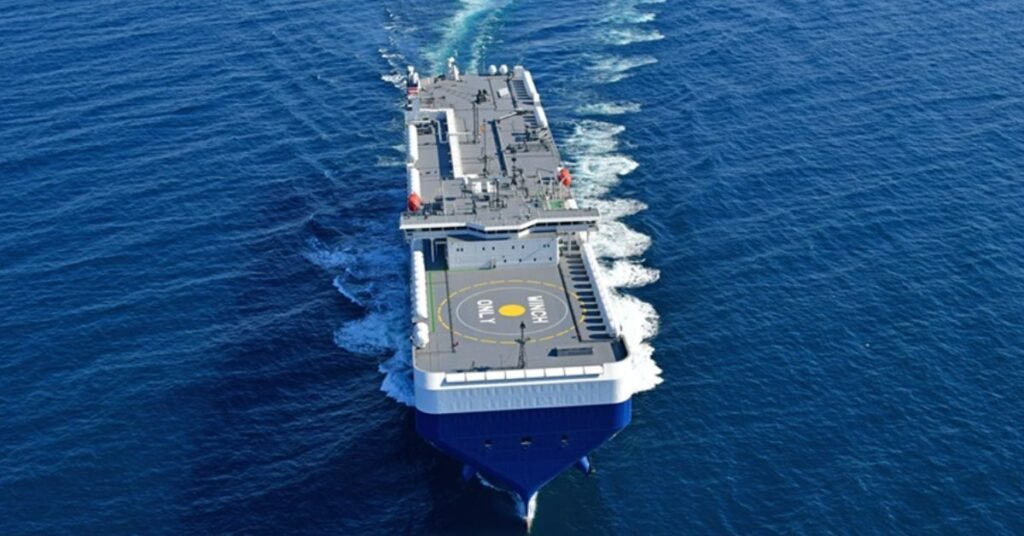
Japanese shipping company to assess operational performance and safety of continuous B100 use
Nippon Yusen Kaisha (NYK Line) has launched a one-year trial involving the continuous use of 100% biofuel (B100) on one of its car carriers to evaluate the fuel’s long-term operational performance and safety under commercial shipping conditions.
The initiative is aimed at assessing the impact of high-purity biofuel on vessel equipment, including engines and fuel supply systems, while gathering technical data to support the broader adoption of biofuels in maritime transport.
Trial to evaluate long-term use of B100
According to NYK, the vessel will operate continuously on B100 for a full year as part of the study.
The biofuel used in the trial primarily consists of FAME (Fatty Acid Methyl Ester) derived from used cooking oil and similar waste-based feedstocks.
Biofuels are increasingly being explored by the shipping industry as a lower-emission “drop-in fuel” because they can be used with existing marine engines and bunkering infrastructure without requiring major modifications.
NYK stated that while the company has previously conducted operational trials using blended biofuels such as B24 and B30, industry experience with long-term continuous use of B100 remains limited.
Focus on fuel stability and operational safety
The company said the trial will help assess how prolonged use of high-purity biofuel affects onboard systems and operational procedures.
One of the key areas of evaluation will be fuel stability, as biofuels can be more susceptible to degradation caused by oxygen, heat and light exposure during storage and use.
Through the collection of operational data over the one-year period, NYK aims to build technical knowledge related to:
- Engine performance
- Fuel supply system operation
- Fuel handling practices
- Maintenance requirements
- Long-term fuel stability
The findings are expected to support future operational guidelines for vessels using higher concentrations of biofuel.
Shipping sector explores alternative fuels
The maritime industry is continuing to evaluate multiple alternative fuel pathways as pressure increases to reduce greenhouse gas emissions in line with international climate targets.
Biofuels are considered one of the near-term options for reducing lifecycle greenhouse gas emissions because they can typically be integrated into existing fleets more easily than fuels requiring new propulsion technologies or infrastructure.
NYK said biofuels offer the potential to reduce greenhouse gas emissions on a well-to-wake basis compared with conventional fossil marine fuels. The company added that it plans to continue technical evaluations and initiatives aimed at supporting more sustainable shipping operations.
Recent Posts
Methanol
North Sea Trading Seeks Buyers for 700,000 mt/yr Indian Green Methanol Supply
Power & Propulsion
MOL to Deliver First LNG Carrier Equipped with Two Wind Challenger Sails to Chevron
Policy
Bureau Veritas and Everllence Sign Five-Year Maritime Decarbonisation Partnership