Lhyfe Delfzijl, a subsidiary of French renewable hydrogen producer Lhyfe, and Perpetual Next have signed a Memorandum of Understanding (MoU) to assess the long-term supply of renewable hydrogen for the planned DeltaNor biomethanol facility in Delfzijl, the Netherlands.
Announced on October 5, 2026, the agreement covers a potential supply of up to approximately 12,000 tonnes of renewable hydrogen per year. The hydrogen would be produced locally within the Groningen chemical industry cluster.
Any future supply agreement will remain subject to further technical and commercial assessment.
Renewable hydrogen to support biomethanol production
The proposed hydrogen supply is intended to support the conversion of biomass-derived syngas into biomethanol.
Biomass-derived syngas already contains hydrogen, but adding renewable hydrogen can enable a larger proportion of the biogenic carbon in the feedstock to be converted into biomethanol. This can increase production yields while reducing the carbon intensity of the resulting fuel.
Biomethanol is being considered as a lower-carbon fuel option for sectors that are difficult to electrify directly, including shipping and parts of the chemical industry.
DeltaNor planned as 220,000-tonne biomethanol facility
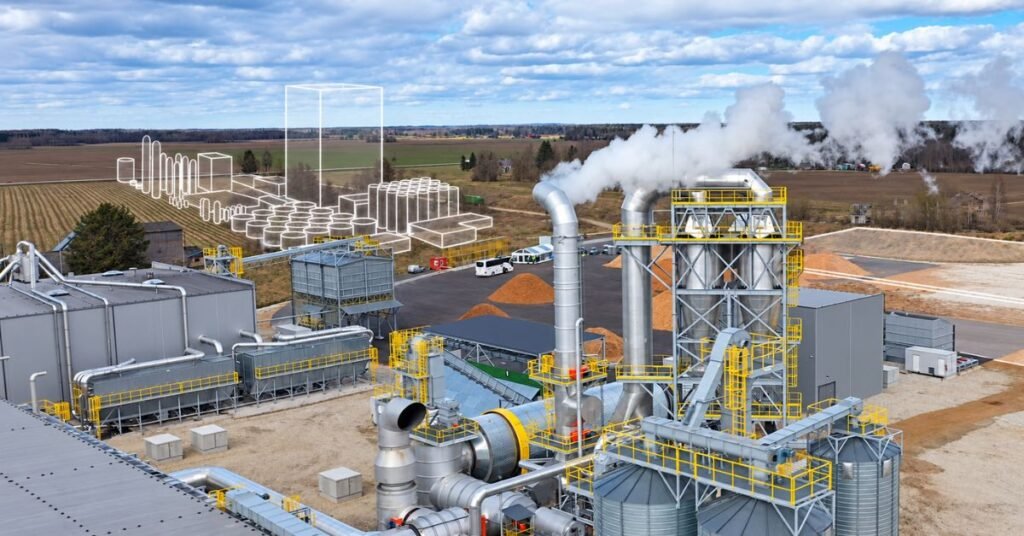
Perpetual Next is developing DeltaNor as a biomethanol production facility with a planned annual capacity of 220,000 tonnes.
The project is one of five biomethanol facilities currently under development by the company.
Under the MoU, Perpetual Next and Lhyfe will examine how renewable hydrogen from Lhyfe’s planned Delfzijl facility could be integrated into the DeltaNor production process.
Lhyfe planning 120 MW hydrogen facility
Lhyfe Delfzijl is planning a 120 MW renewable hydrogen production facility in the Groningen industrial cluster.
Lhyfe currently has four hydrogen production sites installed in Europe and plans to increase this to six by the end of 2026. The company is also developing larger on-site hydrogen projects with capacities reaching several hundred megawatts.
The potential integration of the two projects would connect local renewable hydrogen production with an industrial application in biomethanol manufacturing.
EU renewable hydrogen targets support demand
The proposed projects are being developed against a European policy backdrop that is expected to increase demand for renewable hydrogen in industry.
Delfzijl is home to a significant chemical industry cluster where hydrogen is already used as an industrial feedstock. The revised Renewable Energy Directive (RED III) sets requirements for EU Member States to increase the use of renewable hydrogen, including renewable fuels of non-biological origin (RFNBOs), in industrial applications.
René Buwalda, CEO of Perpetual Next, said access to competitively priced renewable hydrogen will be an important consideration in DeltaNor’s continued development, and that the MoU gives both companies a structured framework to evaluate how local renewable hydrogen could support the facility.
Luc Graré, Chief Strategy Officer at Lhyfe, said the agreement reflects the industrial complementarity between the two projects and the growing role of renewable hydrogen in decarbonising hard-to-abate sectors. He said Lhyfe looks forward to showing the synergies within the Delfzijl cluster, including in the context of the public support schemes needed to enable both projects.
Recent Posts
EV
China Zorrilla Electric Ferry Opens New Chapter in River Plate Travel
LNG
Cheniere–QatarEnergy LNG Deal Secures US Supply Through 2054
Marine
82% of Maritime Professionals Say Current Training Falls Short of Operational Needs, Study Finds