


Carbon Recycling International (CRI) and Jiangsu Sailboat have successfully started up one of the world’s most efficient CO2-to-methanol plants. An opening ceremony took place on September 25th at the Shenghong Petrochemical Industrial Park. This marks a significant milestone in the global effort to boost the production of sustainable methanol – a valuable fuel and chemical

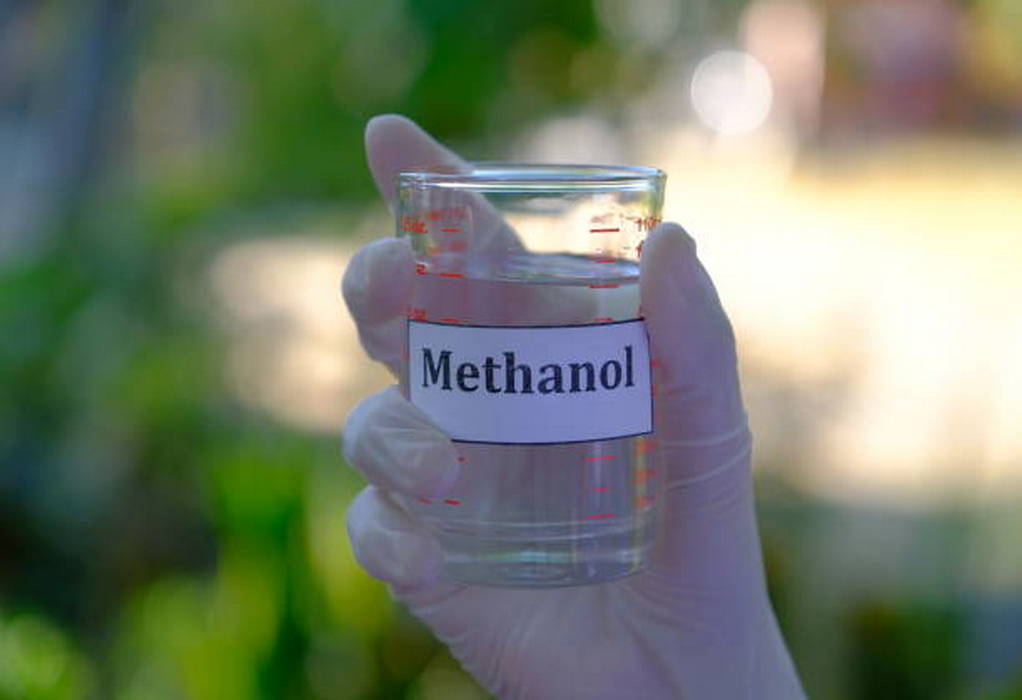
A new and space efficient retrofit methanol storage solution from SRC Group has received Approval in Principle from Lloyd’s Register, signifying that no major conceptual issues have been identified as standing in the way of its securing classification approval and regulatory compliance. Methanol Superstorage offers the potential for ships with years of service ahead to
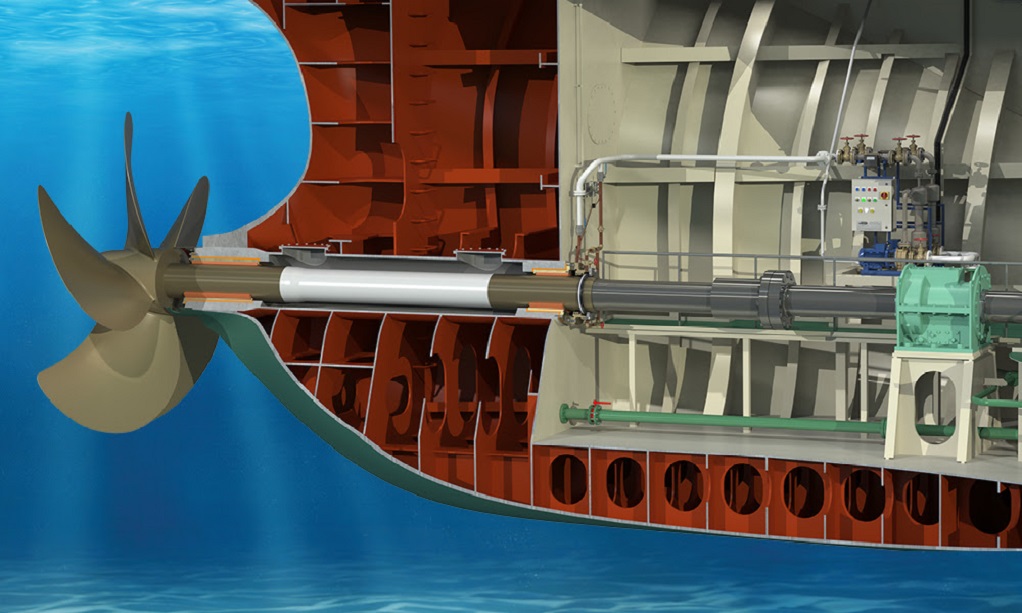
Nippon Kaiji Kyokai (ClassNK) has joined the major classification societies to amend its rules relating to the inspection of seawater-lubricated propeller shaft systems. The amendment means that ships with open seawater-lubricated propeller shafts that are built to ClassNK rules are subject to the same 15-year shaft withdrawal inspection periods as oil-lubricated shafts and sterntubes, subject

The Jumeirah Beach district of Dubai, United Arab Emirates. San Francisco-based Vesta wants to dump ground-up olivine on beaches and into seawater in an attempt to speed up the ocean’s natural ability to remove carbon dioxide. The Hajar Mountains reach nearly 3,000 meters above sea level, tracing the coastline of Oman and the United Arab
Syama Prasad Mookherjee Port (SMP), formerly known as Kolkata Port Trust, and NTPC Green Energy (NGEL), a subsidiary of NTPC Limited, will form a joint working group to set up a green hydrogen and ammonia hub at the port. The MoU between the two public sector entities was signed last week, aiming to explore opportunities
Tata Steel aims to complete decarbonisation journey at its plant in the UK in next three years, as part of its decarbonisation plan, the company will shift to low-emission electric arc furnace (EAF) process from the blast furnace (BF) route which is nearing the end of life in the next couple of months. India-headquartered Tata

JSW Cement, part of $ 23billion JSW Group, has commenced a pilot of Electric Vehicles (EV trucks) trials as part of its plan to significantly reduce carbon footprint in logistics operations. The company plans to achieve this by replacing fossil fuel-based vehicles with EV Trucks. JSW Cement is one of the few cement companies to
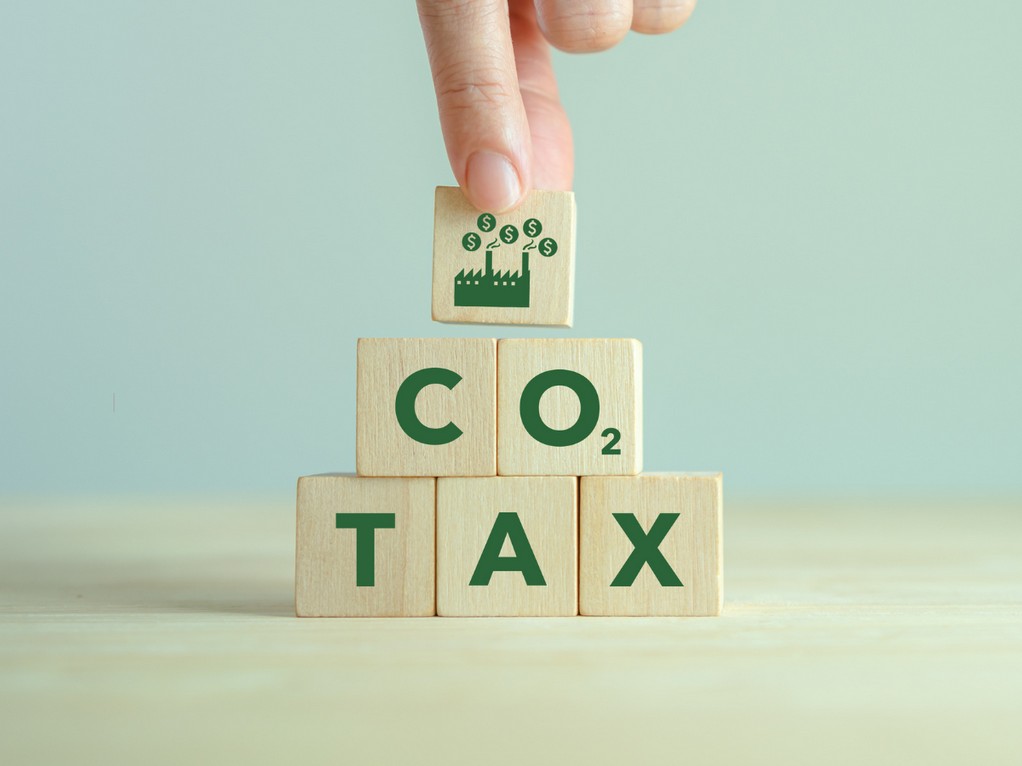
The European Union inaugurated the first phase of the world’s first system of imposing CO2 emissions levies on imported steel, cement, and other commodities, in an effort to prevent more polluting foreign items from undercutting its green transition. The anticipated tax has alarmed trading partners, and at a recent meeting, China’s top climate envoy, Xie
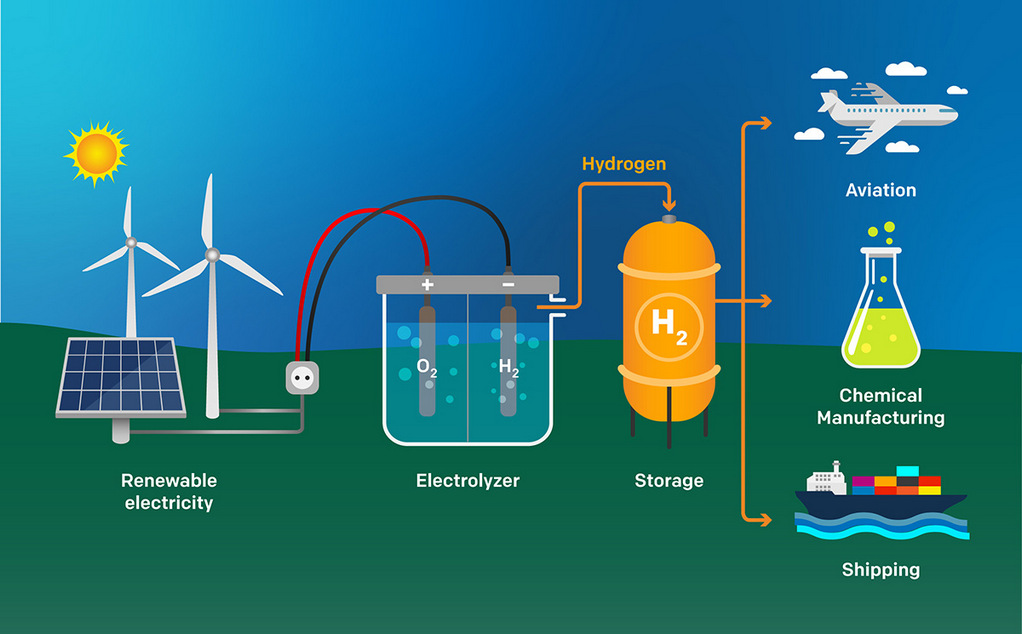
Norwegian company Hystar is planning to expand its plant in Høvik, near Oslo to a capacity of 4GW a year, up from 50MW. Electrolysers are used to split hydrogen from water and are in growing demand as countries around the world look to start replacing fossil fuels with hydrogen. Hystar is also in talks over

Japanese shipbuilder Tsuneishi Shipbuilding has received an order for four methanol-fueled 5,900 TEU containerships. This is the third order for methanol-fueled vessels following the KAMSARMAX AEROLINE and TESS66 AEROLINE, and the first order for a methanol-fueled container carrier. Recently, the shipbuilder has been contracted to provide two 81,200 dwt methanol dual-fuel Kamsarmax dry bulk newbuilds