

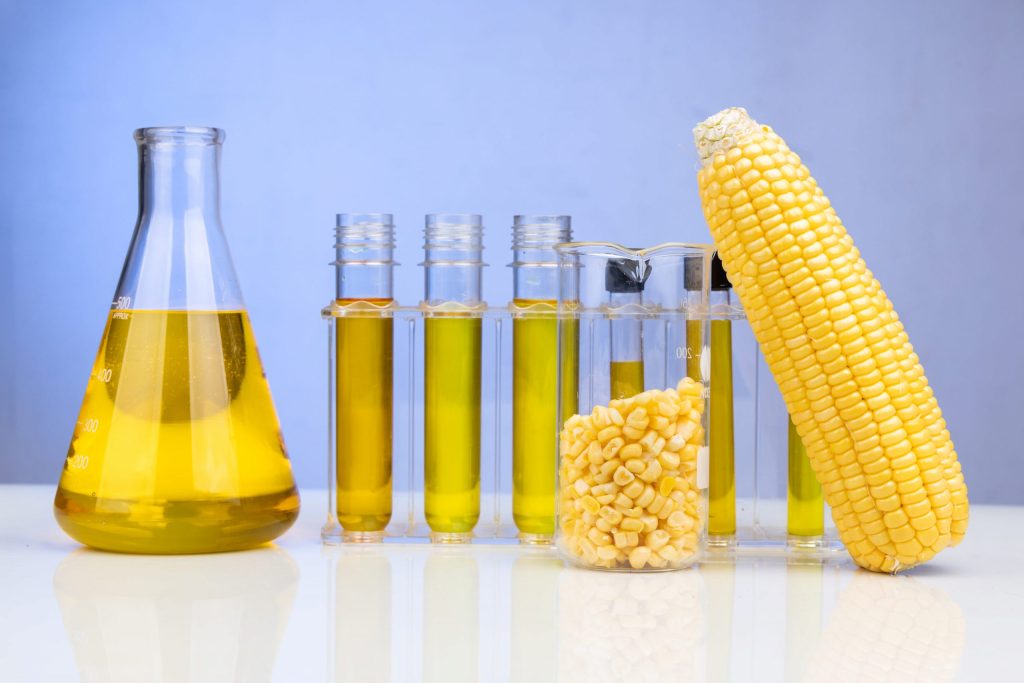
USDA earlier announced it was making $50 million available through its Higher Blends Infrastructure Incentive Program.

During the conversion projects, which are scheduled to take place in 2025, engineers will modify the fuel supply system and engines, including adding automation for the engine control room. The new installations will be integrated with the ships’ existing systems
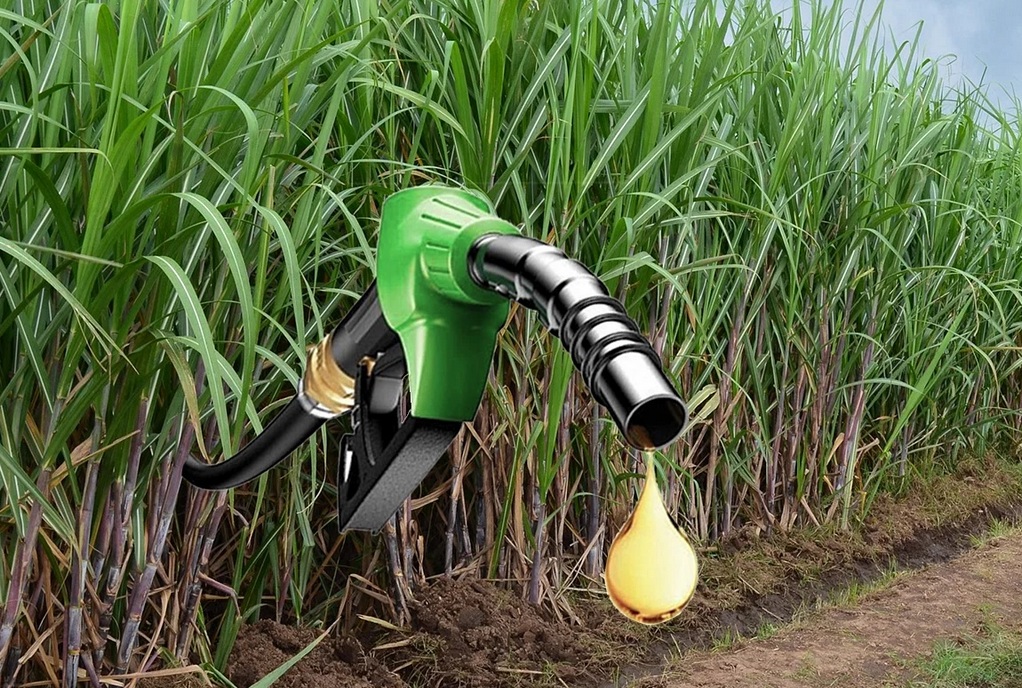
Before bioenergy can contribute towards climate-related goals, the team has argued that international agreements must ensure the protection of forests and other natural lands by introducing carbon pricing.
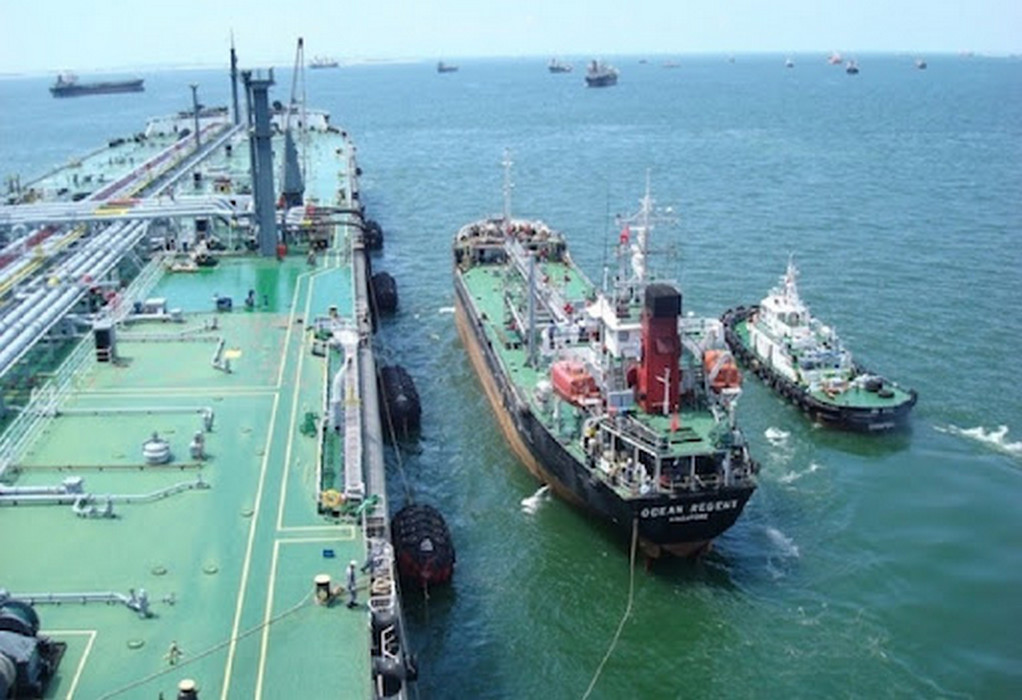
Methanol, which can be carbon-neutral when produced from sustainable hydrogen and carbon dioxide (CO2) by direct air capture (DAC), has been used as a fuel alternative in the shipping industry on a small scale since 2015.
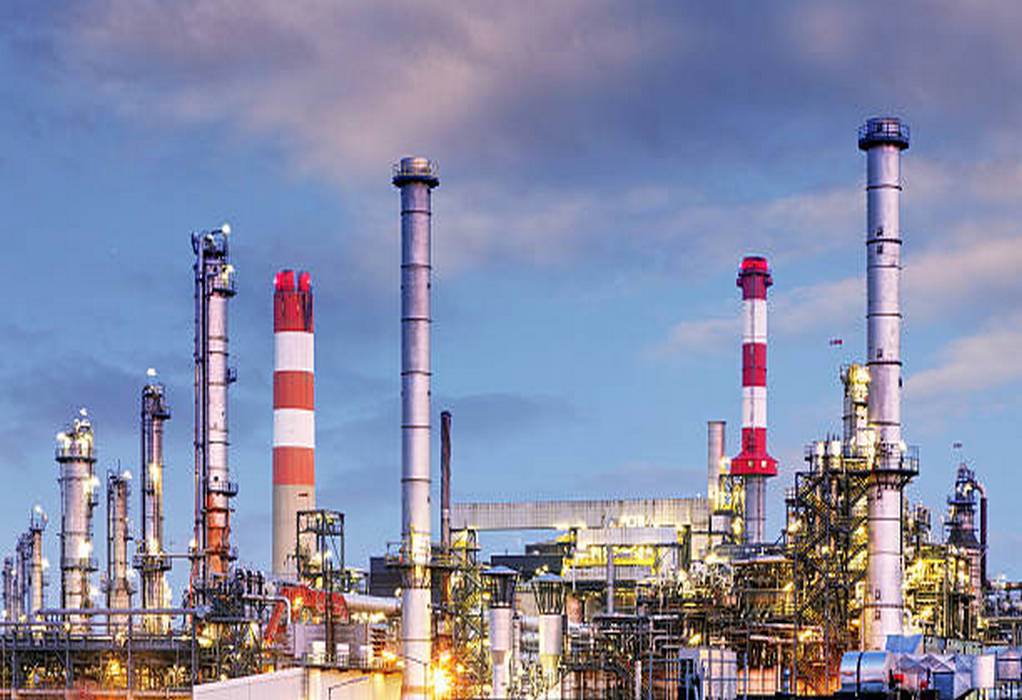
The Oil Ministry asked state-controlled Indian Oil Corp (IOC.NS) and Bharat Petroleum Corp Ltd (BPCL) (BPCL.NS) to launch rights issues, and asked Hindustan Petroleum Corp Ltd (HPCL) (HPCL.NS) to make a preferential share allotment to the government.

Now Asian airlines will have an expanded biofuel refinery in Singapore that they can source from. Finnish biofuel producer Neste in May completed a 1.6 billion-euro ($1.7 billion) expansion of its biofuel refinery in the city-state and has started producing sustainable aviation fuel (SAF), a biofuel made from used cooking oil and waste animal fat.
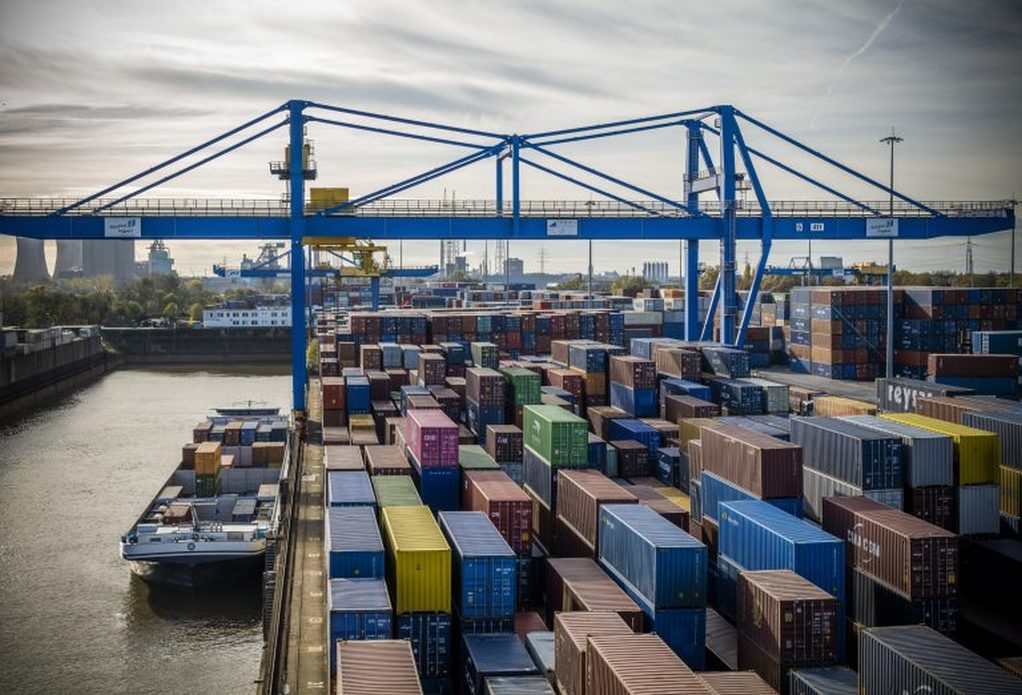
The Port of Duisburg (Duisport) has teamed up with Lhyfe to look into the feasibility of building the first major electrolysis plant in the port.
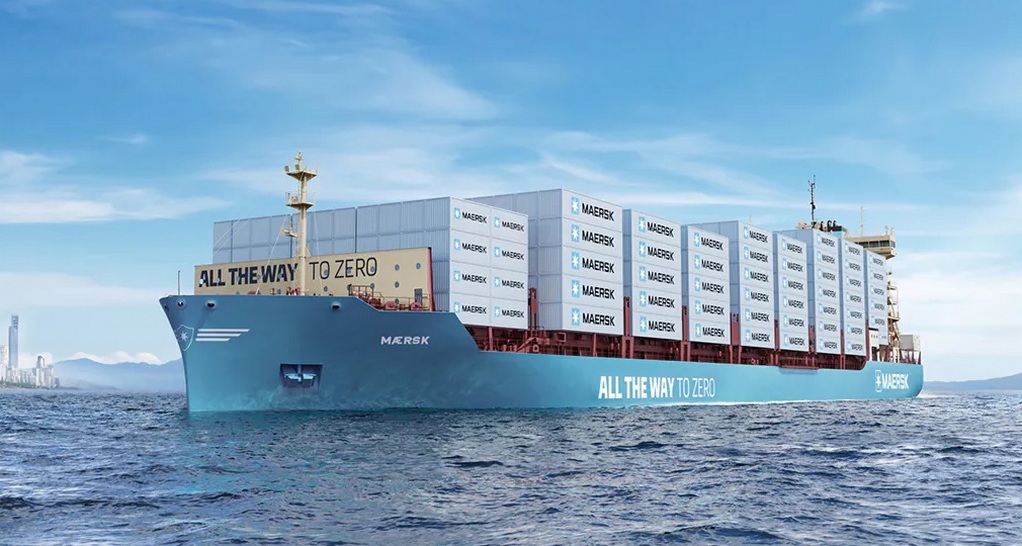
Maersk set the ball rolling on methanol-fuelled newbuilds in 2021 with a series of 16,000 teu units plus one feeder in South Korea as part of its goal to achieve net zero in 2040. It has 25 methanol-enabled vessels on order

The delegation believes that the international shipping sector is moving in the wrong direction when it comes to greenhouse gas emissions which continue to rise, both in absolute and in relative terms, and are close to reaching 3% of all man-generated GHG emissions.

The confidence in natural gas stems from a series of geopolitical events and market dynamics. Russia’s invasion of Ukraine and subsequent energy crisis have prompted Europe to expedite efforts to reduce reliance on Russian fuel.