
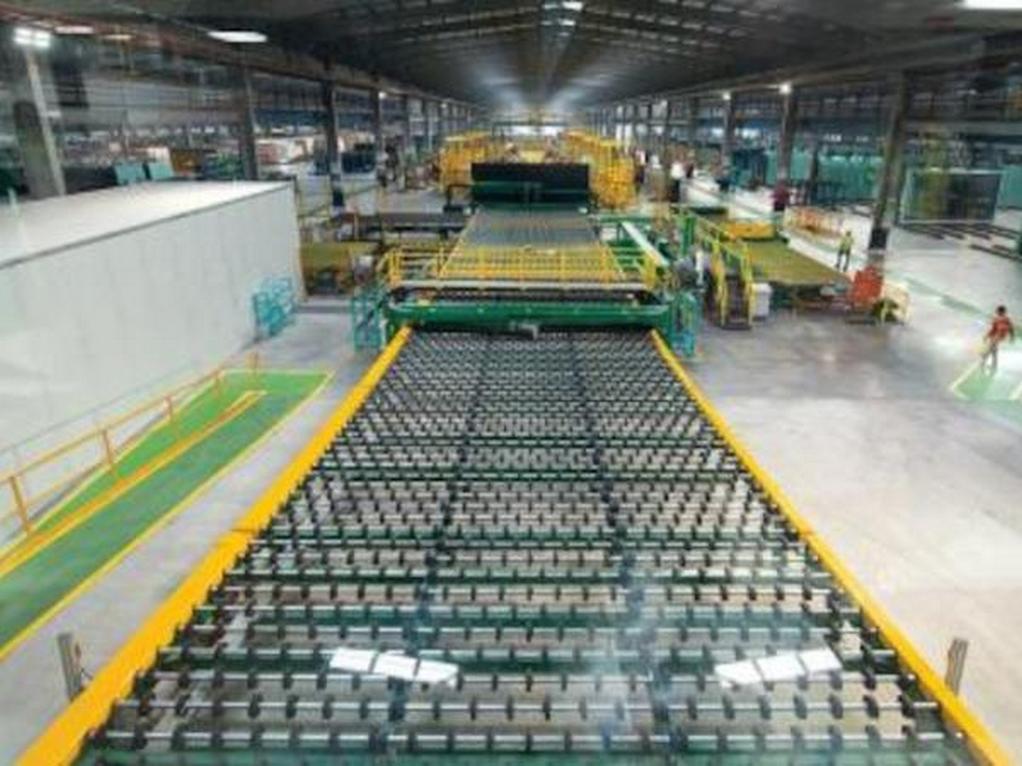
Such environmental performances could be reached thanks to the use of 2/3rd of recycled content as raw material, natural gas, and electricity from renewable energy sources.

The company also said that despite the massive increase in last three years, a decline of 22 per cent was seen last year in the ESG secto
The working group consisted of 3 sub-groups headed by the private sector, and also featured representatives from government bodies like MoRTH, DPIIT, BIS, PNGRB, PESO and OISD. The sub-groups focused on aspects of production & use, transportation & storage, and mobility; and observed similar norms made by other countries or private organisations during the process.
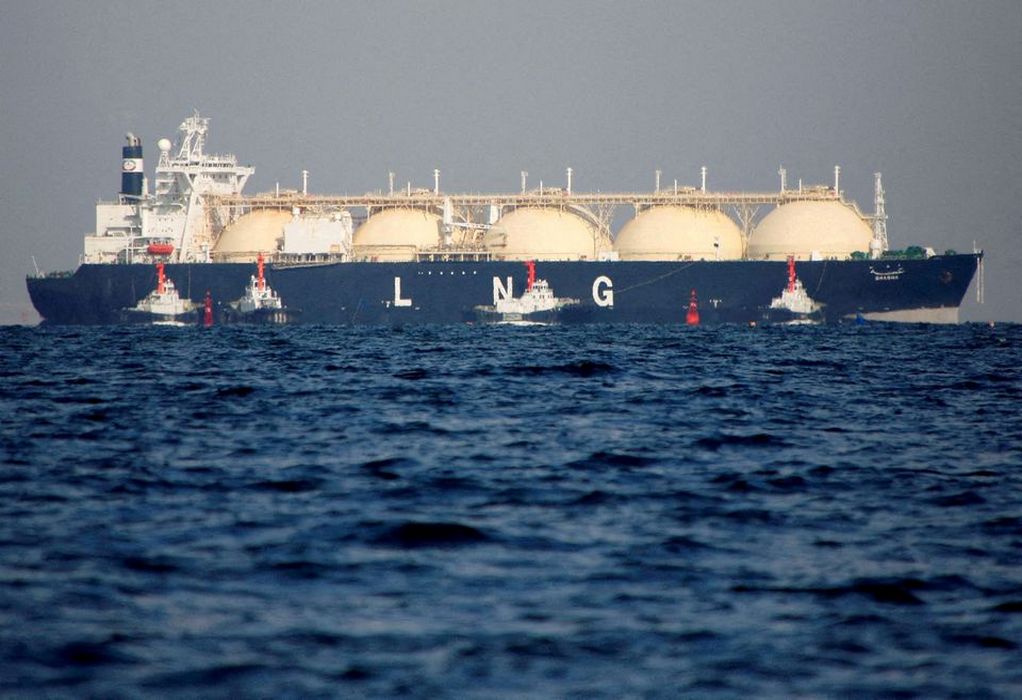
India has set ambitious targets to become one of the world’s biggest LNG importers by more than doubling the share of gas in its energy mix to 15 per cent by 2030, helping attract a wave of infrastructure investment.
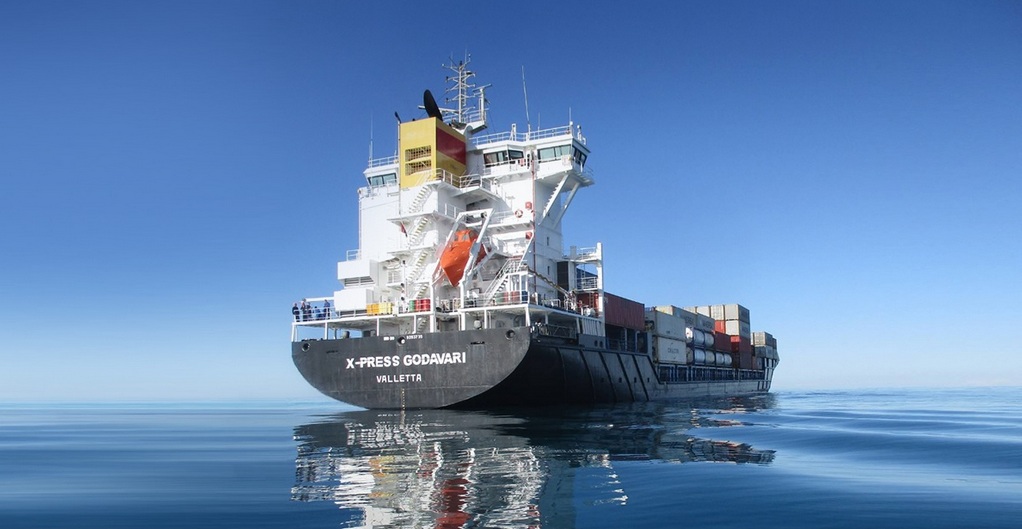
The first boxship will enter X-Press Feeders’ Europe trade routes by the second quarter of 2025, with all vessels joining the fleet by the third quarter of 2026.

Around $2.8 trillion USD will be invested globally in energy in 2023, of which $1.7 trillion will be spent on clean technologies – including renewables, electric vehicles, nuclear power, grids, storage, low-emissions fuels, efficiency improvements and heat pumps. The remainder will go on coal, gas and oil.
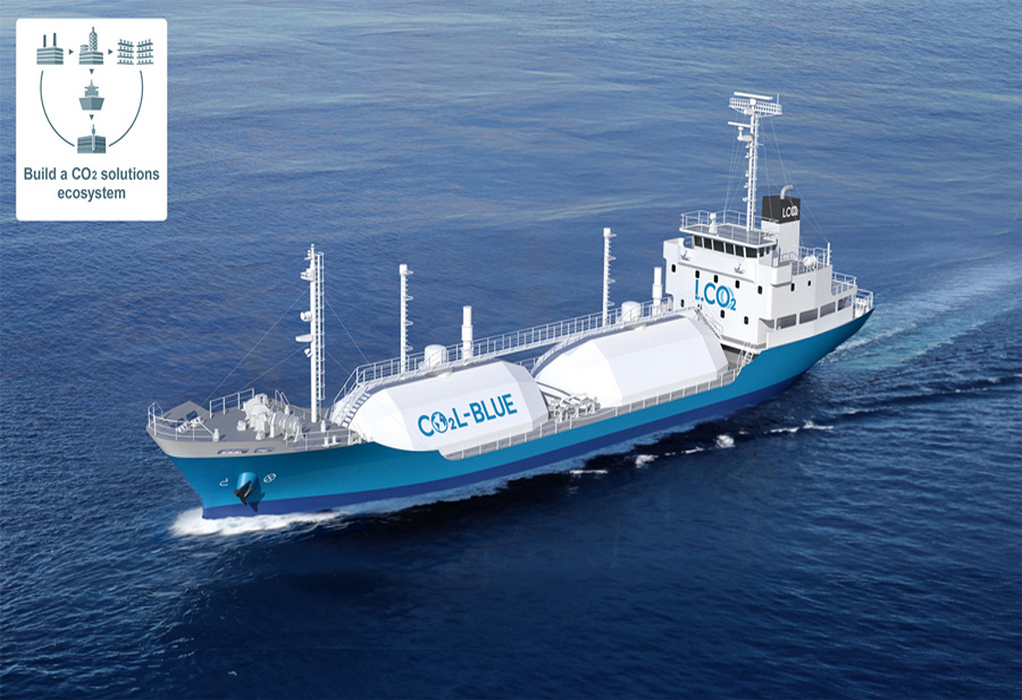
The project will see WinGD applying its X-DF-A ammonia-fuelled engines to a range of vessel designs, with Mitsubishi both designing the vessels and completing the fuel chain with its ammonia fuel supply system (AFSS).

The project is expected to be fully completed by the end of 2024 and would create more than 260 new job opportunities for the locals. The company is set to produce SAF and hydro-treated vegetable oil (HVO).

As a maiden initiative, an indigenous make and patented retrofit device developed by M/s Chakr Innovations for reducing diesel engine emissions was installed on a shore-based Diesel Generator for long-term trials.
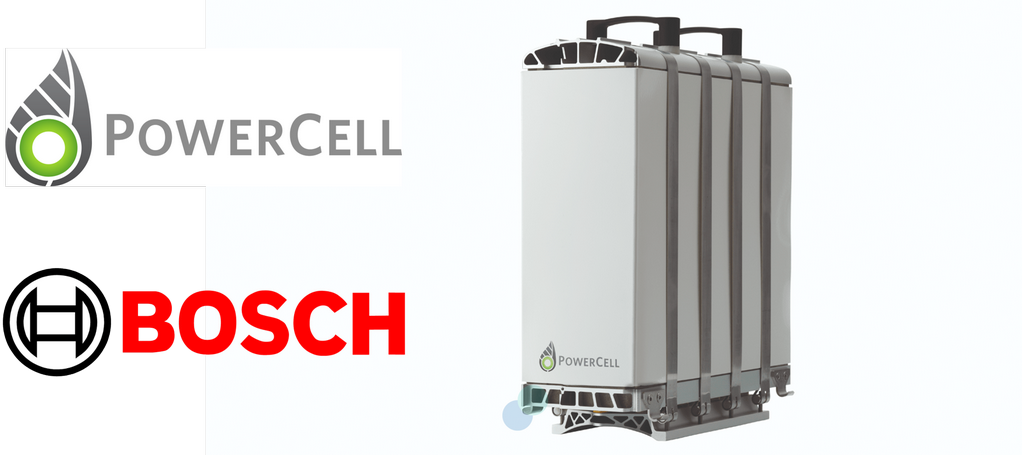
PowerCell thereby increases its production capacity significantly and focuses on scaling up the assembly and deliveries of fuel cell systems as well as development of the next generation of fuel cell stacks.