

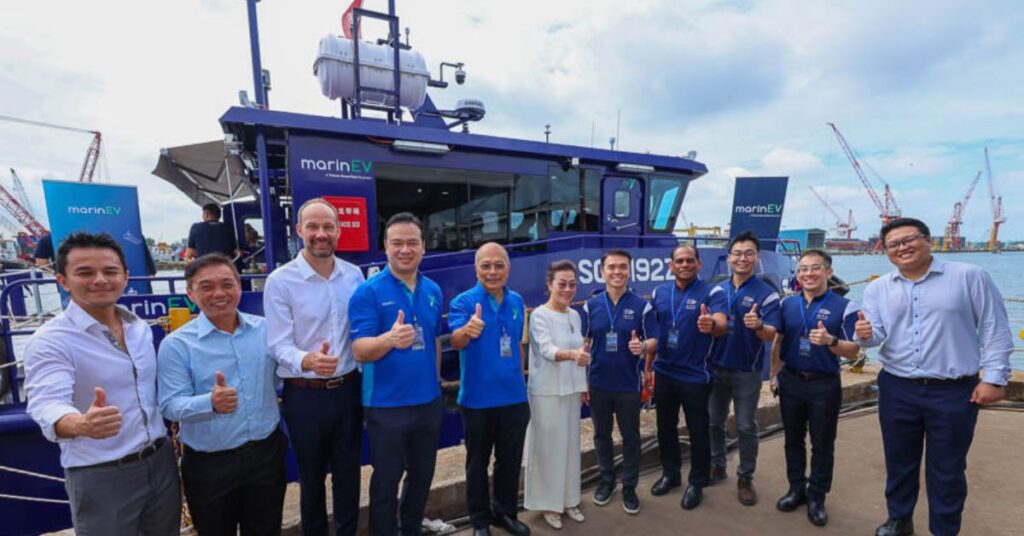
Singapore – October 24, 2025: Yinson GreenTech, through its marine electrification brand marinEV, has unveiled the Hydromover 2.0, an upgraded version of its fully electric cargo vessel that integrates enhanced range, faster charging, increased cargo capacity, and advanced digital capabilities. The launch marks a significant step toward large-scale adoption of zero-emission vessel technology in global

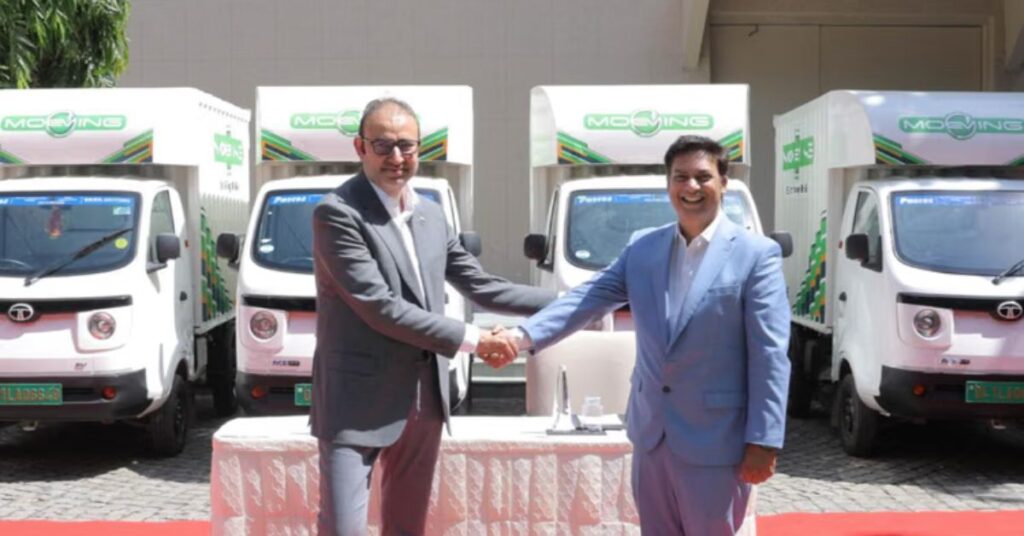
Initiative expected to cut carbon emissions by 2,000 tonnes annually and advance India’s electric logistics transition MoEVing has partnered with three authorized dealers of Tata Motors Commercial Vehicles—Pascos, Johar Automobiles, and Bhandari Automotive—to lease and operate 700 electric small commercial vehicles (e-SCVs) for last-mile delivery services. The deployment, featuring Tata Ace EV and Ace Pro
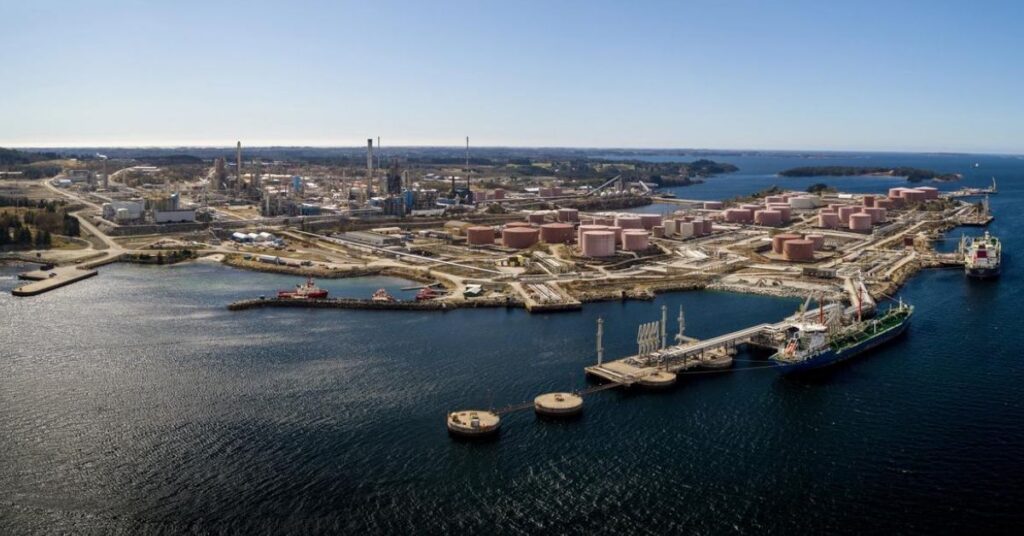
Feasibility study planned for Mongstad refinery aims to convert waste into green methanol and capture 400,000 tonnes of CO₂ annually Norwegian energy company Equinor and Mana, a subsidiary of NG Nordic, have entered into an early-stage strategic partnership to assess the development of the Nordics’ first large-scale waste-to-methanol project. The initiative, supported by NEXTCHEM, focuses
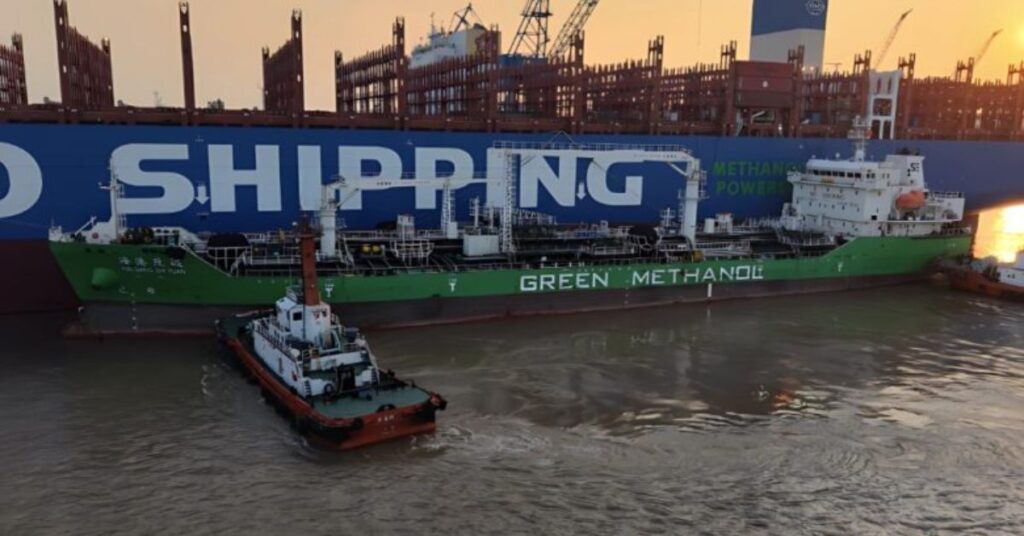
The Los Angeles–Long Beach–Shanghai Green Shipping Corridor (GSC) has reported notable advancements in improving vessel energy efficiency, port electrification, and alternative fuel bunkering, according to its second Annual Progress Report. The trans-Pacific initiative, facilitated by C40 Cities, connects two of the world’s largest port complexes and is designed to accelerate the decarbonization of global maritime
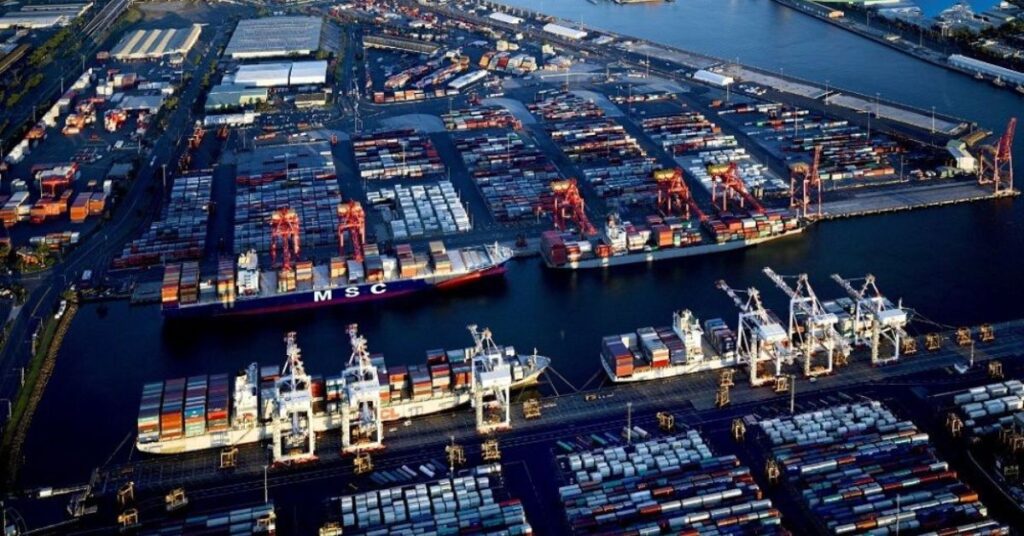
The Port of Melbourne and the Shanghai Municipal Transportation Commission (SMTC) have signed a memorandum of understanding (MoU) to advance maritime decarbonization and sustainable port operations. The agreement marks a new chapter in a partnership that began in 2006, formalizing nearly two decades of collaboration between the two ports. The joint initiative, supported by the
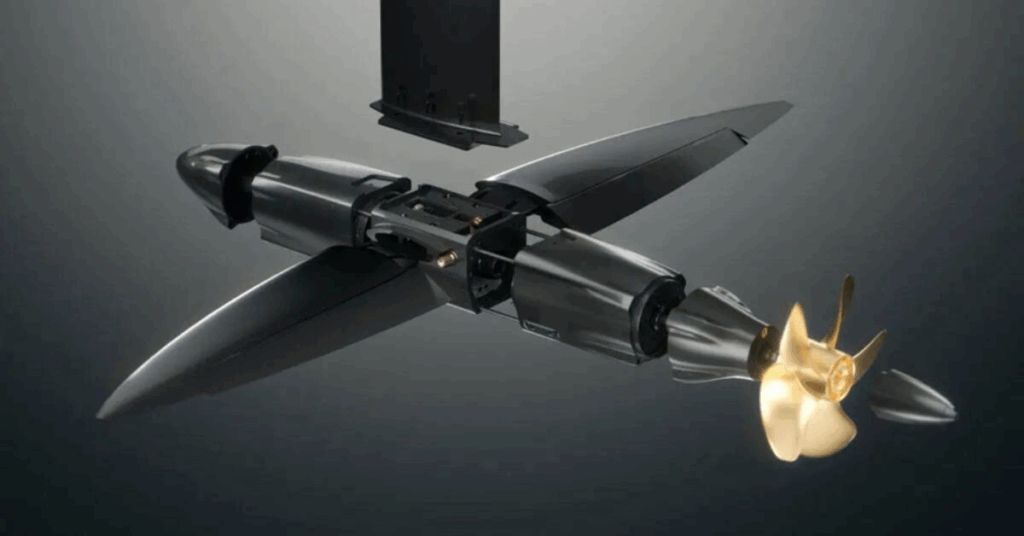
New Zealand-based marine technology company Vessev has unveiled the VS–Drive, a podded propulsion system developed to enhance the performance and efficiency of electric vessels. The launch marks the latest step in Vessev’s effort to advance sustainable marine transport through hydrofoiling and electrification technologies. The VS–Drive is a submersible, direct-drive motor system that integrates active cooling
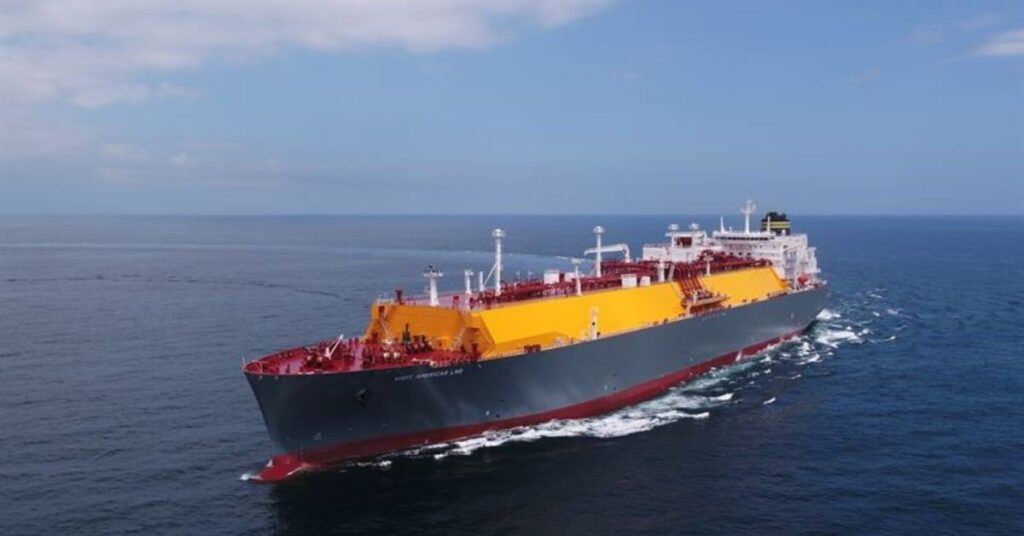
Technology group Wärtsilä and TMS Cardiff Gas have renewed their existing Lifecycle Agreement for a further five years, covering the 2-stroke main engines onboard seven LNG carrier vessels. The renewed order was booked by Wärtsilä in the third quarter of 2025. The agreement aims to enhance the operational reliability of the fleet by enabling flexible
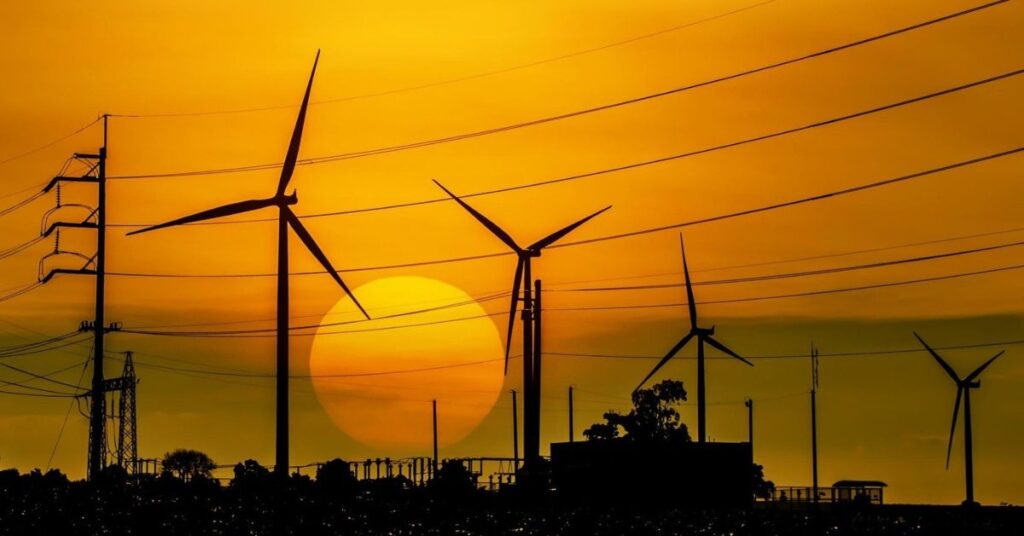
India’s renewable energy sector is entering a new phase marked by consolidation, integration, and structural reform. Following a decade of rapid capacity expansion, the focus is shifting from speed to system strength — building a stable, dispatchable, and resilient clean energy framework to support the national target of 500 GW of non-fossil capacity by 2030.
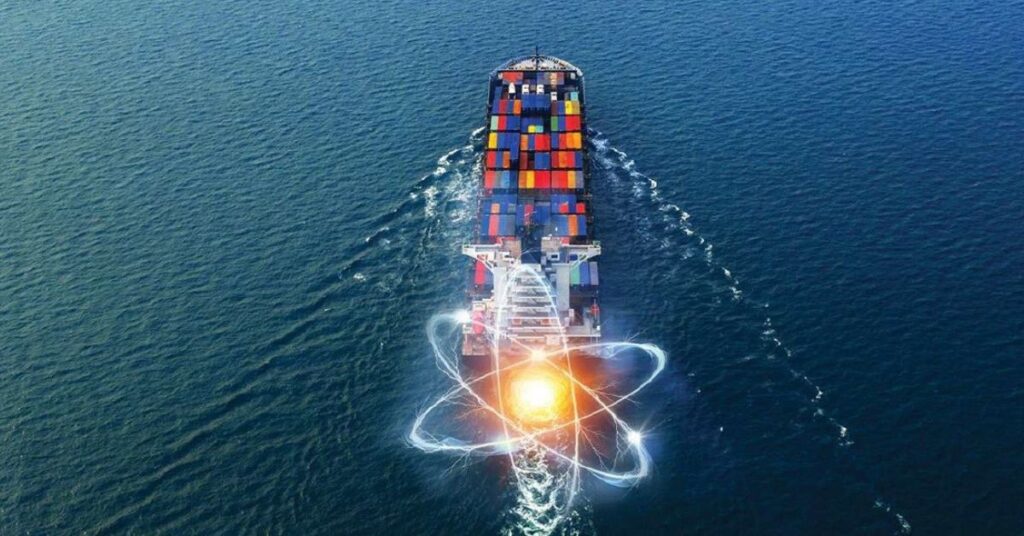
Oslo, 21 October 2025 — A new report by classification society DNV suggests that nuclear propulsion could re-emerge as a long-term solution for reducing emissions in the maritime sector. The paper indicates that growing environmental pressures are renewing interest in nuclear energy, despite the absence of civilian commercial nuclear-powered ships for more than 40 years.
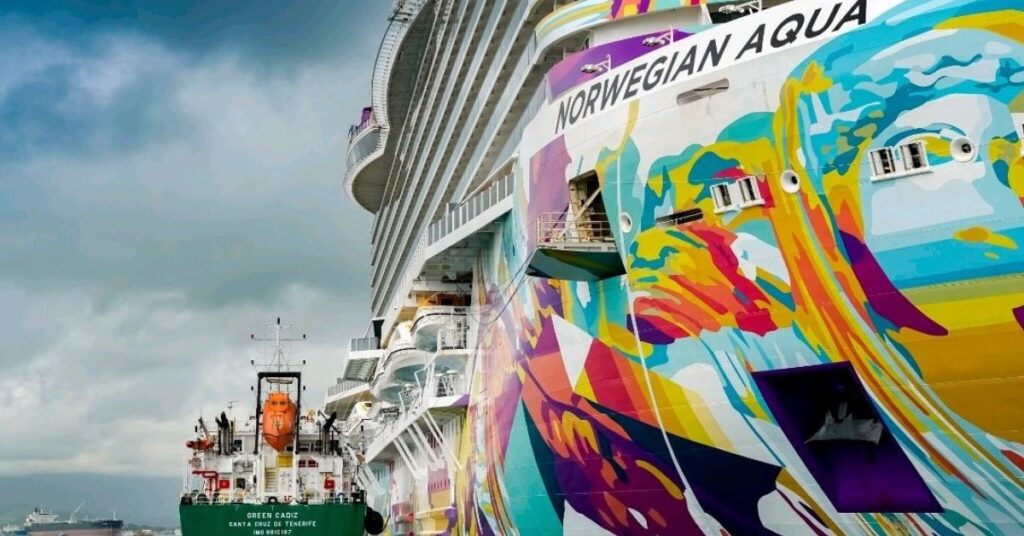
Norwegian Cruise Line Holdings (NCLH) has signed an eight-year agreement with Spanish energy company Repsol to supply renewable marine fuels to its cruise vessels at the Port of Barcelona, marking one of the longest and most comprehensive renewable fuel partnerships in the cruise industry to date. Under the deal, Repsol will provide a portfolio of