
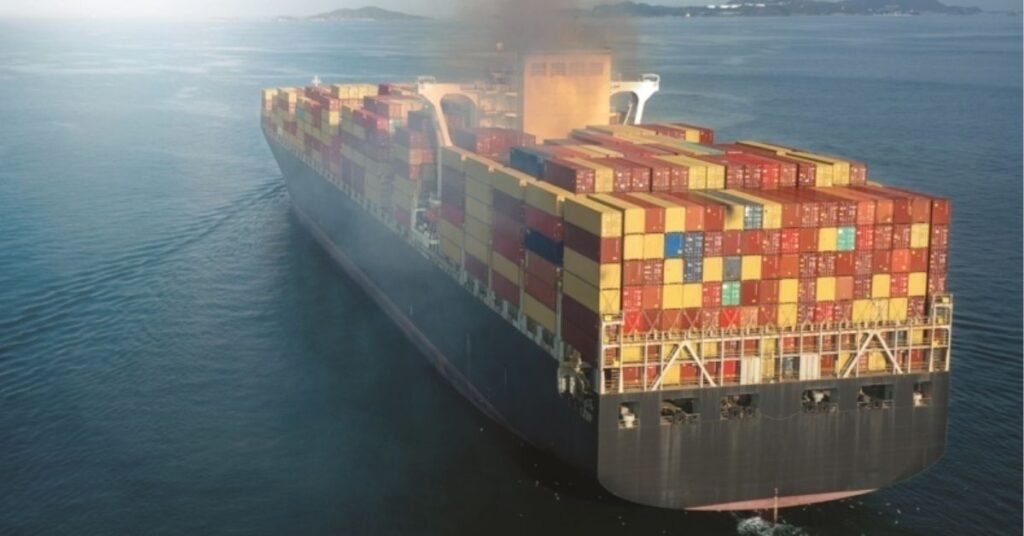
Efficiency improvements and slower steaming could reduce global maritime energy consumption by as much as 16% by 2030 compared with a business-as-usual scenario, according to DNV’s Maritime Forecast to 2050 – 2026 edition, even as alternative-fuel capable vessels account for a shrinking share of new orders. How much fuel and cost savings does this represent?

Lloyd’s Register (LR) has published a new guidance report aimed at helping shipowners and port operators identify environmental, social and governance (ESG) issues that could have a material impact on their long-term commercial performance. Titled A Forward-Looking Framework for ESG Disclosure, the report was launched on 1 September during SMM 2026 in Hamburg. It presents
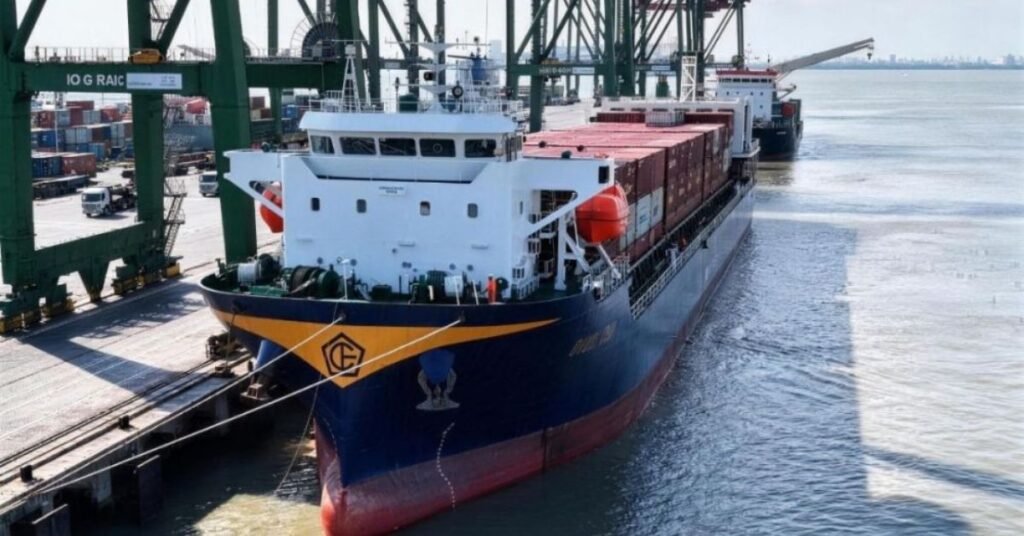
Clean energy equipment provider CIMC Enric has confirmed that the LNG-powered container vessel Digul Mas, owned by Indonesian listed shipping company TEMAS Group, has successfully completed its commercial maiden voyage using an innovative tank-swapping refuelling model that bypasses the need for large-scale bunkering infrastructure. What route is Digul Mas operating? The vessel has begun commercial
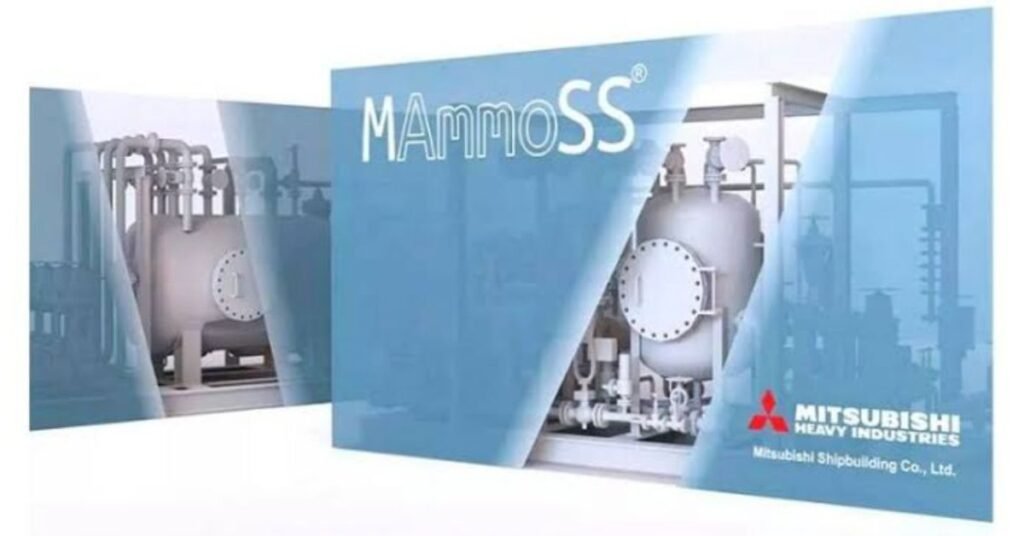
Mitsubishi Shipbuilding, part of the Mitsubishi Heavy Industries Group, has secured an order from Hitachi Zosen Marine Engine (HZME) for its MAmmoSS ammonia fuel handling system, a move that strengthens the supply chain for ammonia-fuelled vessel technology as the shipping industry pushes toward net-zero targets. What will the system be used for? HZME is a
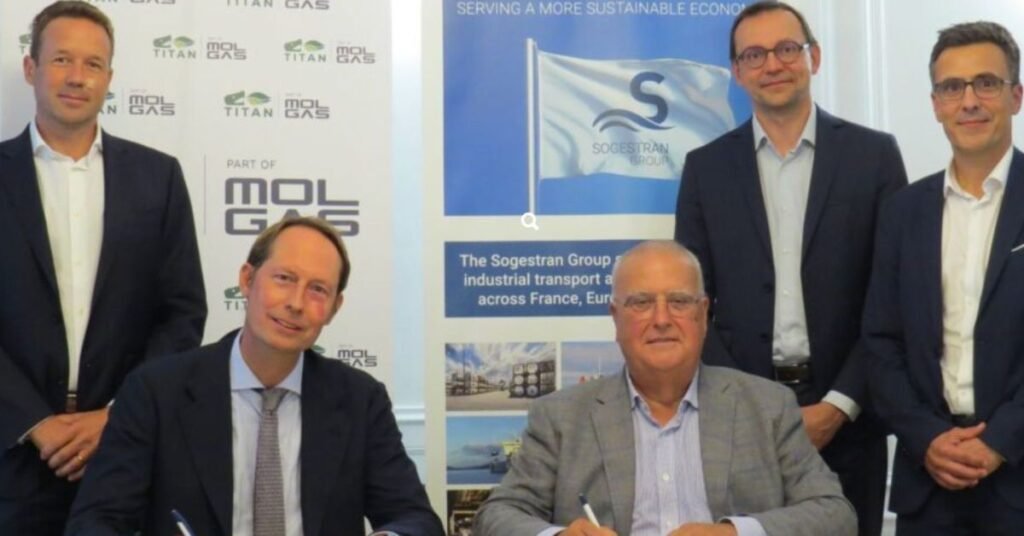
Titan Clean Fuels, part of the Molgas group, has entered into a long-term agreement with shipowner Sogestran Group covering the construction, charter, and operation of a new 6,000 cbm LNG bunker vessel, expanding LNG and LBM bunkering capacity into the Western Mediterranean. Where will the new vessel operate? Titan plans to deploy the LNG bunker
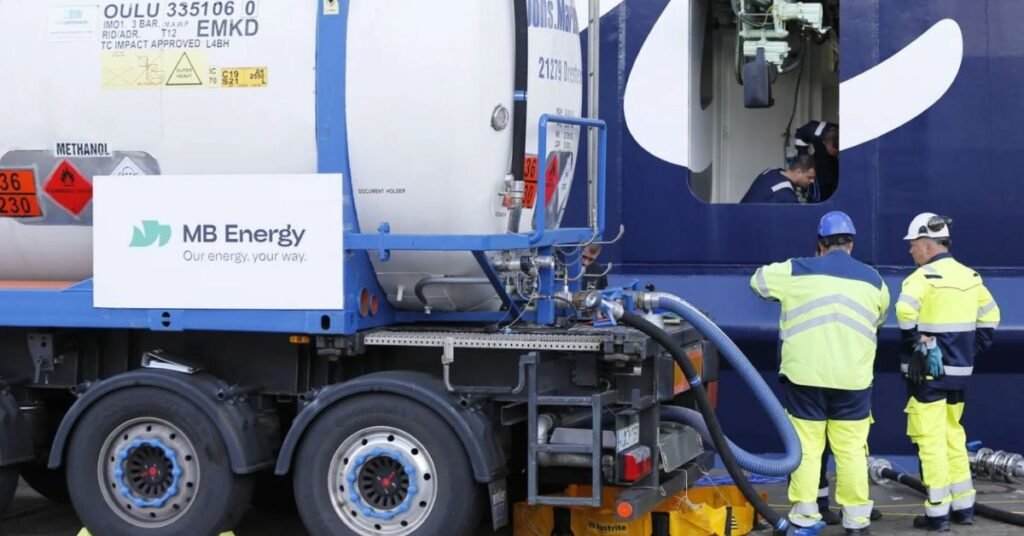
MB Energy has completed a methanol bunkering trial of TUI Cruises’ Mein Schiff 7 at the Ostseekai Cruise Terminal in the Port of Kiel, an operational milestone in the companies’ push toward lower-carbon marine fuel adoption in the cruise sector. What did the trial involve? Approximately 25 cubic metres of methanol from renewable feedstocks were
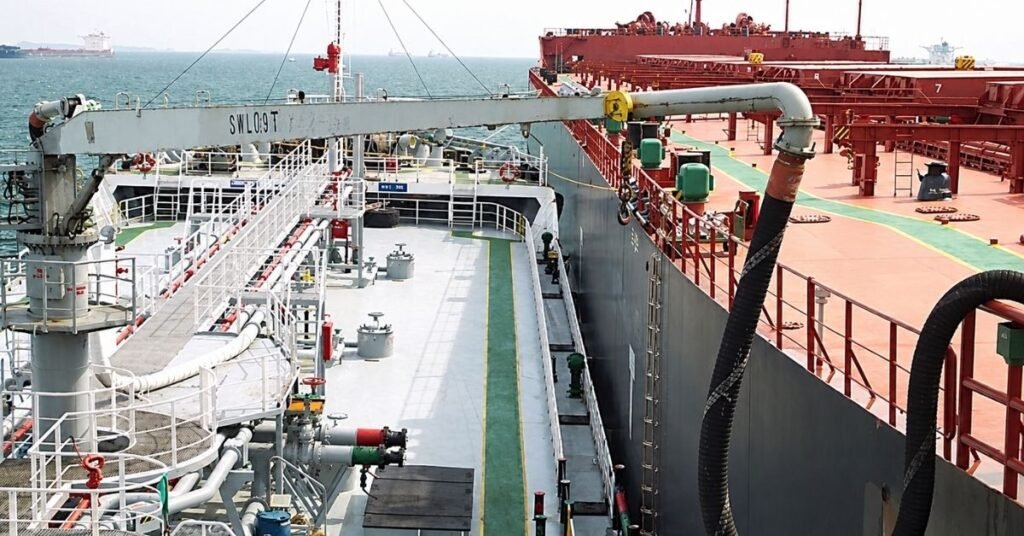
The Maritime and Port Authority of Singapore (MPA) will issue eight new licences to supply liquefied natural gas (LNG) as a marine fuel in Singapore from September 1, 2026. The new licences will expand Singapore’s LNG bunkering capacity, strengthen the supporting ecosystem to meet growing demand for LNG bunkering services, and support Singapore’s continued development
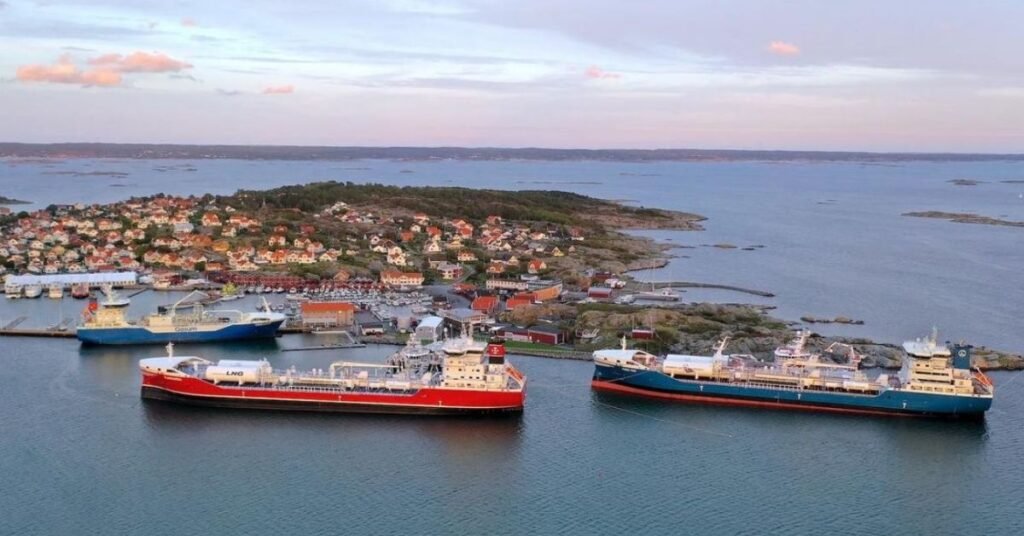
Swedish shipping company Furetank and its partners have placed an order for four new dual-fuel product tankers. The 17,999-dwt vessels will be capable of operating on liquefied biomethane (LBM), LNG or gasoil. They will also feature shore-power connections and battery-hybrid systems designed to lower emissions and reduce fuel consumption. Two of the tankers will be
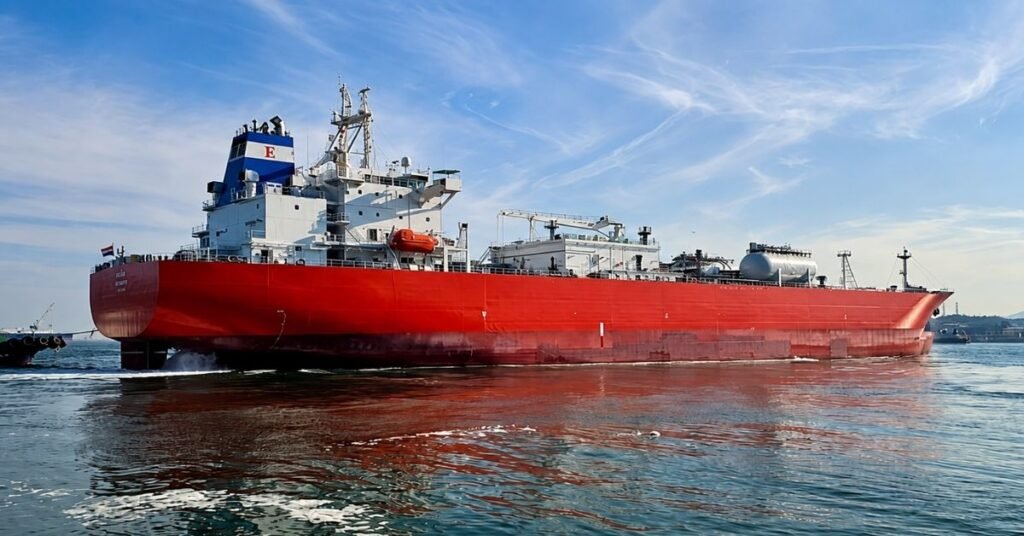
Belgian shipping company Exmar has unveiled its third and fourth ammonia dual-fuel oceangoing vessels. The vessels, Adinkerke and Aalter, can operate on both ammonia and conventional marine fuels. Exmar took delivery of its second ammonia-capable dual-fuel vessel, Arlon, in July, following the delivery of its first, Antwerpen, in June. All four vessels were built by
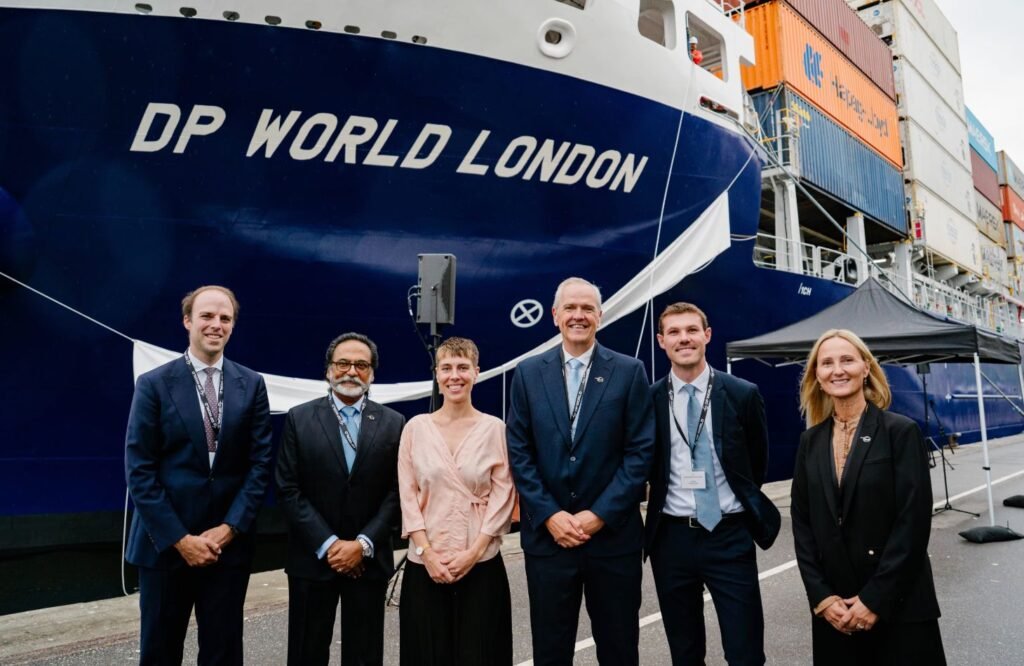
DP World’s Marine Services business, Shipping Solutions, has named its new methanol dual-fuel vessel, DP World London, at a ceremony in Aarhus, Denmark, marking a milestone in the company’s investment in more connected, resilient and lower-carbon supply chains. Shaped by trade, the sea and an outward-looking mindset, Aarhus provides a fitting stage for the introduction