
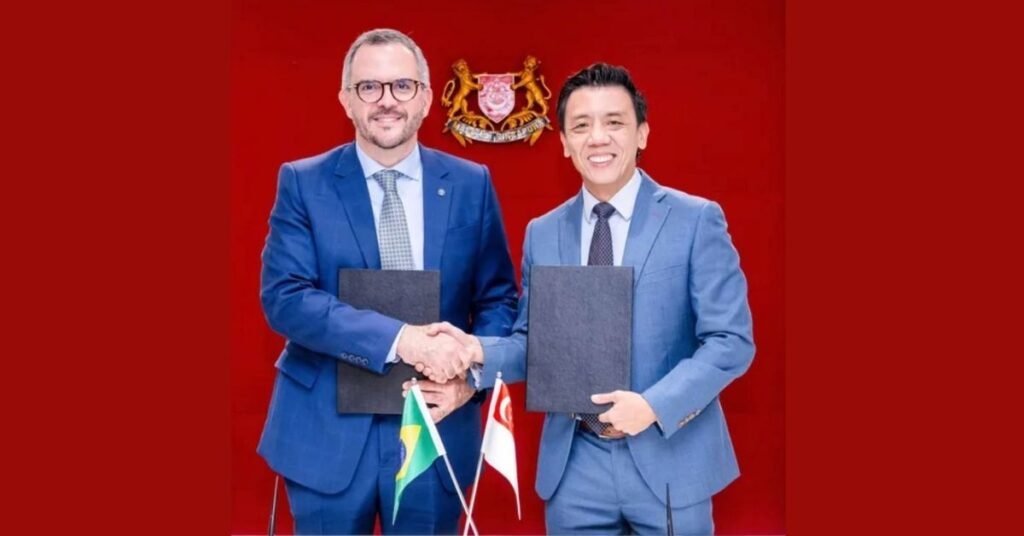
Singapore and Brazil have signed a Memorandum of Understanding (MOU) to establish the Singapore-Brazil Green and Digital Shipping Corridor (GDSC), marking a new chapter in bilateral maritime cooperation between the two countries. The agreement was signed by Singapore’s Minister for Transport, Jeffrey Siow, and Brazil’s Minister of Ports and Airports, Tomé Franca, and was published

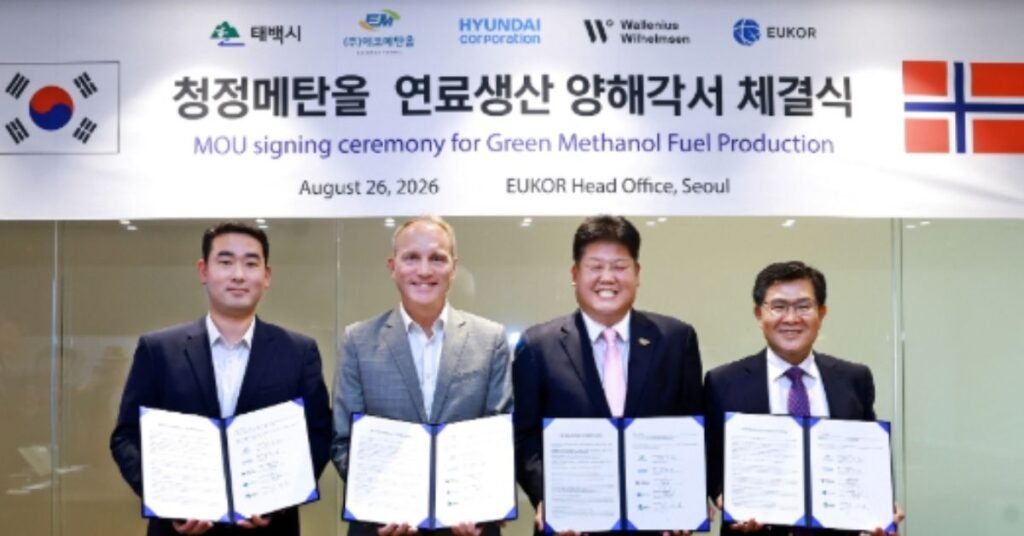
South Korea’s EcoMethanol has signed an MOU with Taebaek City, Hyundai Corporation, Wallenius Wilhelmsen Ocean AS and EUKOR Car Carriers covering the supply of green methanol for shipping. Hyundai Corporation will buy the methanol produced at EcoMethanol’s planned Taebaek plant and supply it to the two carriers for use in their methanol-fuelled ships, EcoMethanol told
The Australian Government has released its Maritime Emissions Reduction National Action Plan (MERNAP), outlining practical actions government and industry can take to continue decarbonisation of the maritime sector while maintaining the competitiveness and resilience of the country’s shipping industry. Released on August 26, the plan covers ports, shipping, energy, domestic commercial vessels, regulation and workforce
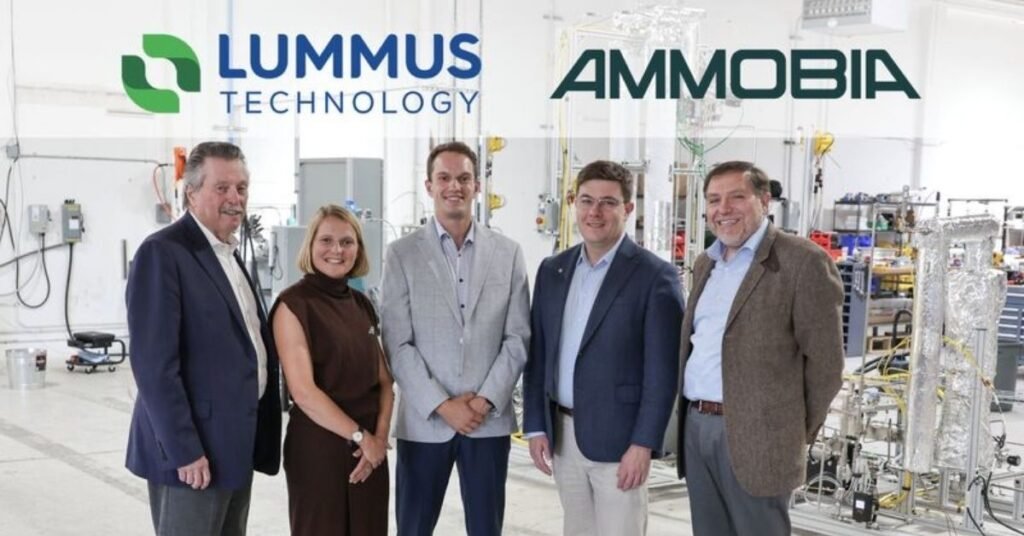
Ammobia, a developer of breakthrough low-cost, modular ammonia production technology, has announced an agreement with Lummus Technology, a global provider of process technologies and value-driven energy solutions, to license and deploy Ammobia’s ammonia production system. Through the partnership, Ammobia’s technology will be deployed in commercial installations worldwide and used in integrated solutions that complement Lummus’s
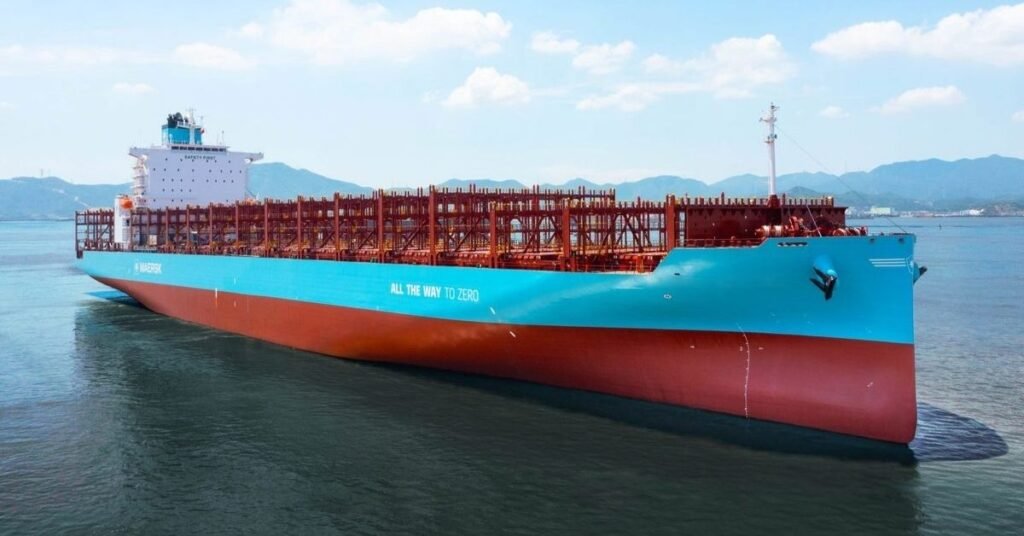
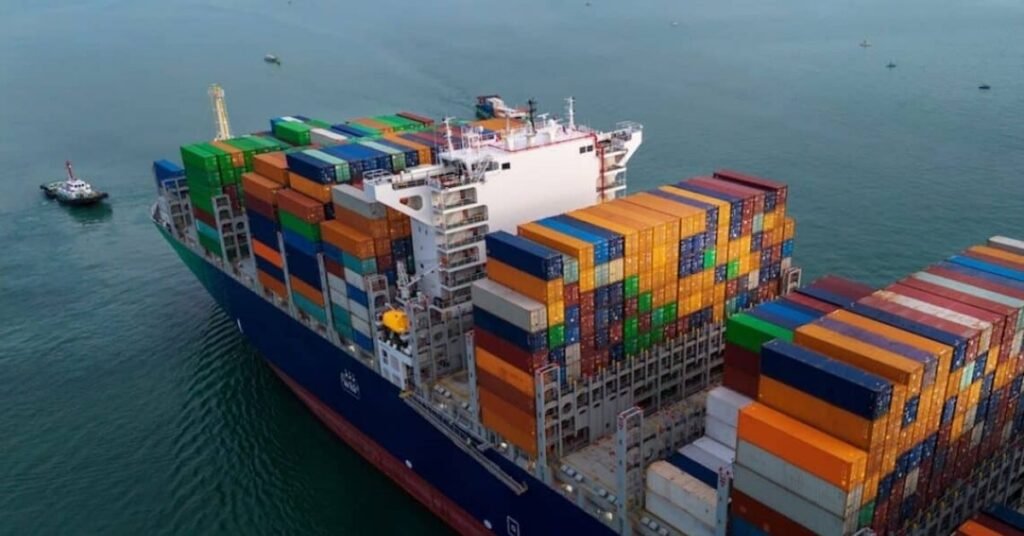
Global shipping company A.P. Moller-Maersk has taken delivery of the fourth vessel in its new methanol-capable newbuild series. Tacoma Maersk is the fourth vessel in Maersk’s planned fleet of six 9,000-TEU mid-sized containerships. The vessel can operate on methanol as well as conventional fuels and will be deployed on the trade route connecting the Middle
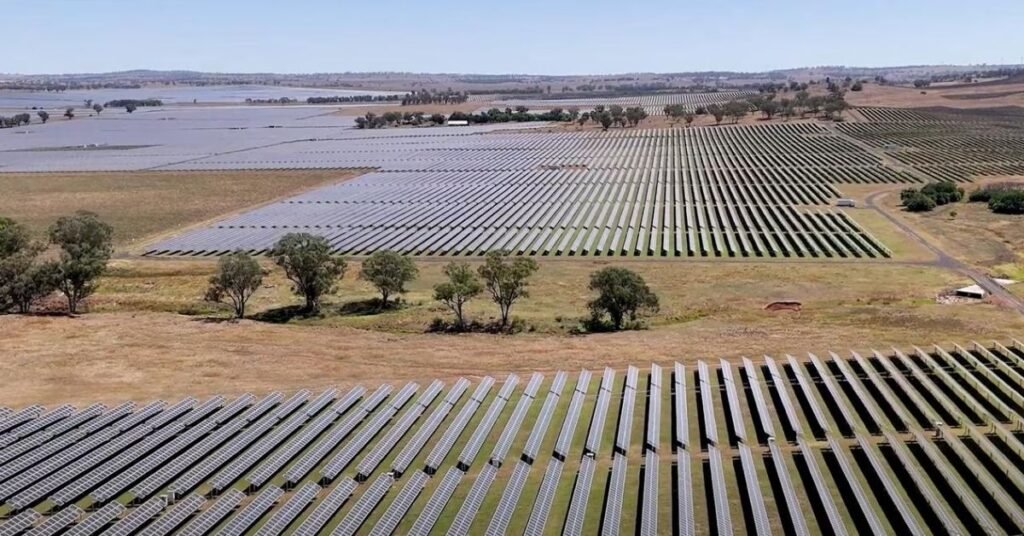
The Australian Renewable Energy Hub (AREH) in Western Australia, originally envisioned as a 26 GW renewable-energy complex with very large hydrogen and ammonia production, has substantially reduced its initial ambitions. The latest proposal focuses on roughly a 1 GW first phase, after developers withdrew the revised ammonia-focused configuration amid commercial challenges. BP had already exited
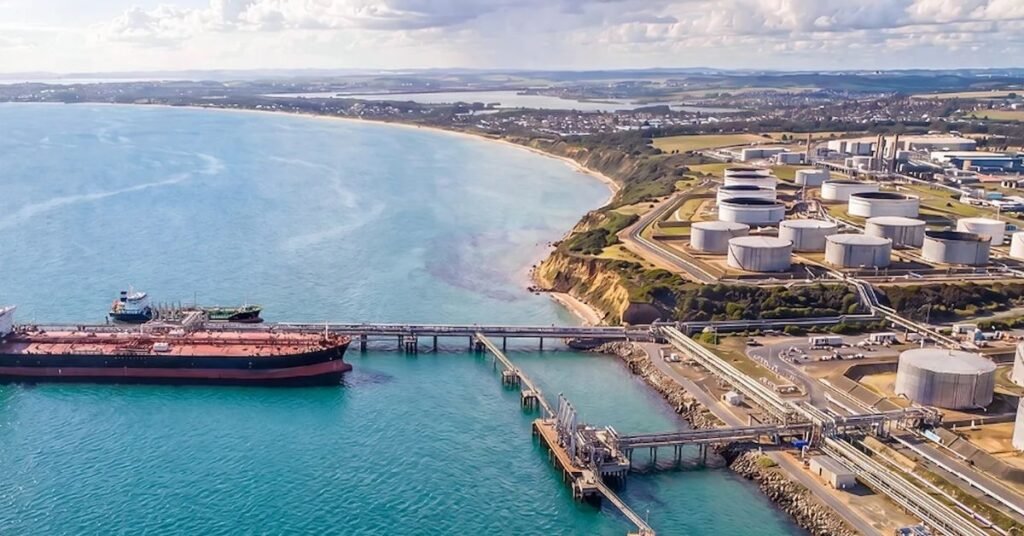
Regulatory uncertainty is increasing pressure on shipowners to make investment decisions that remain viable across multiple future scenarios. According to DNV’s 10th Maritime Forecast to 2050, stronger global regulatory signals could accelerate the uptake of energy-efficiency measures, enabling the global fleet to consume up to 25% less energy by 2050 compared to a scenario where
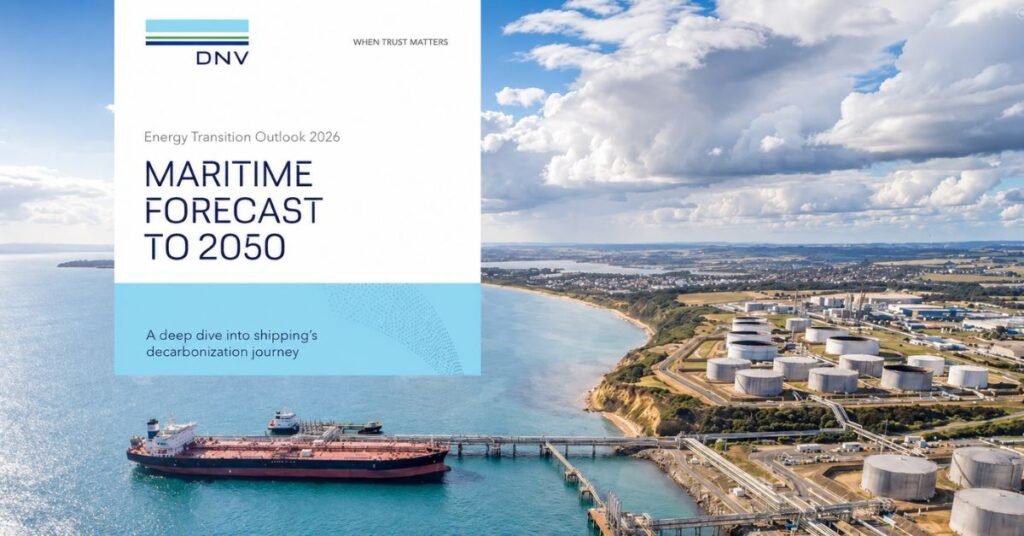
Shipowners will need fleet strategies that can perform across multiple regulatory, fuel market and technology scenarios as the maritime industry navigates an increasingly complex and uncertain energy transition, according to DNV’s 10th edition of its Maritime Forecast to 2050. As ships ordered today are expected to operate well beyond 2050, DNV highlights the need for
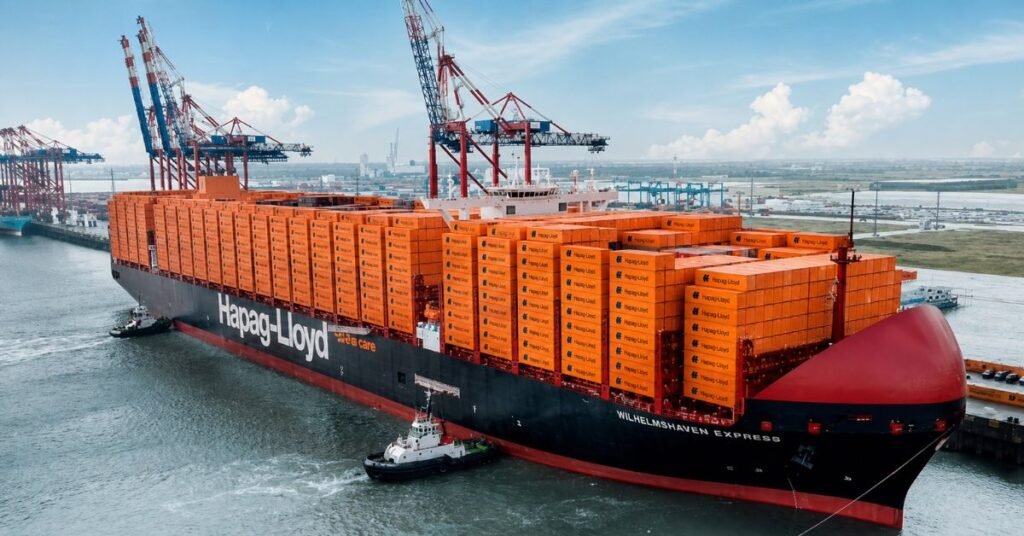
Freight forwarder cargo-partner has reduced ocean freight emissions by 811 tonnes of CO2e in the first half of 2026 through participation in Hapag-Lloyd’s Ship Green sustainable marine fuel programme, using an allocation model built on waste and residue derived biofuel. The result highlights growing uptake of book and claim style decarbonisation mechanisms in container shipping,

Ammonia prices across the East of Suez region have fallen more than 40 percent from their April peak, according to S&P Global Commodity Insights, as weak Indian demand and a tightening sulfur shortage replace the supply shock that had earlier driven prices to record highs. What triggered the April price spike in the first place?