
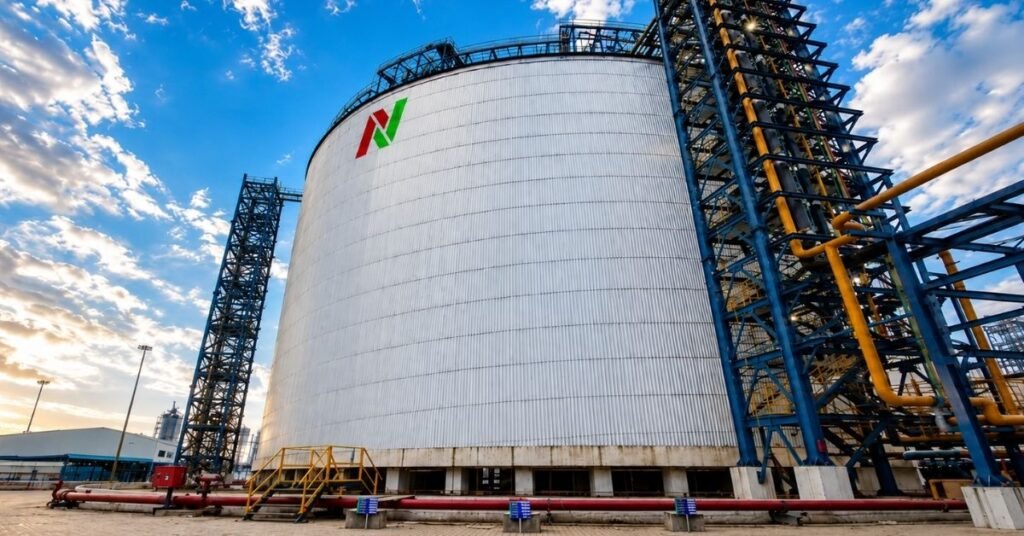
ITOCHU Corporation, headquartered in Tokyo, announced that it has acquired a portion of the equity securities of Aegis Terminal (Pipavav) Ltd. (ATPL) from Aegis Vopak Terminals Ltd. (AVTL). Through this investment, ITOCHU has participated in the ammonia storage terminal business operated by ATPL at Port Pipavav in Gujarat, India. The terminal, India’s first independent ammonia

Retrofitting for alternative fuels could help ship operators reach net-zero emissions cost-effectively, but further policy support is needed to strengthen the business case and ensure maritime decarbonisation targets are met. That is the key finding from the latest Fuel Economics Report published by Swiss marine power company WinGD. While the engine technology to decarbonise existing
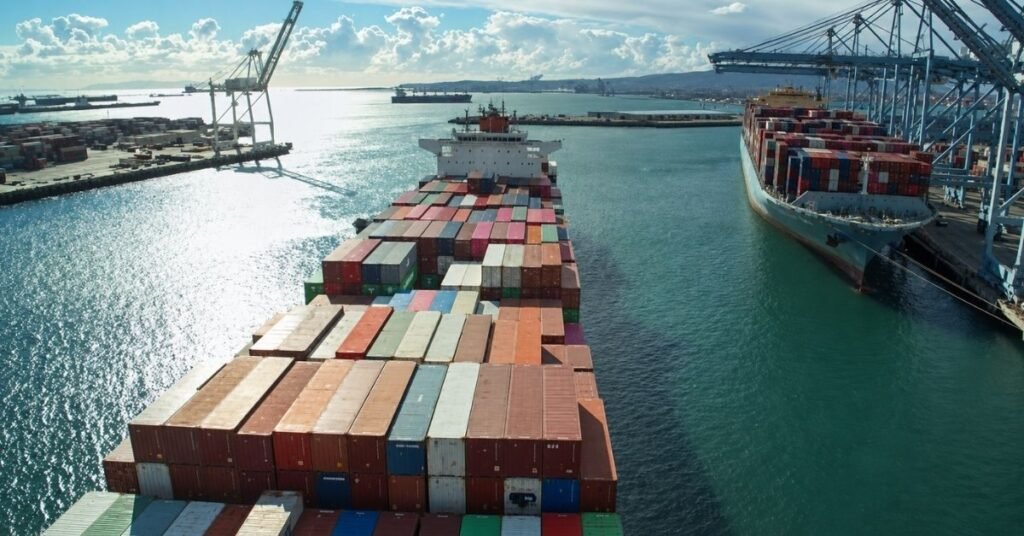
New research conducted by University College London (UCL) has mapped where global shipping’s greenhouse gas emissions occur, splitting each voyage into time spent in port and time spent at sea. UCL researchers have built an interactive tracker, mapping 1.2 million voyages that show island nations carry outsized port emissions. The tracker draws on a year
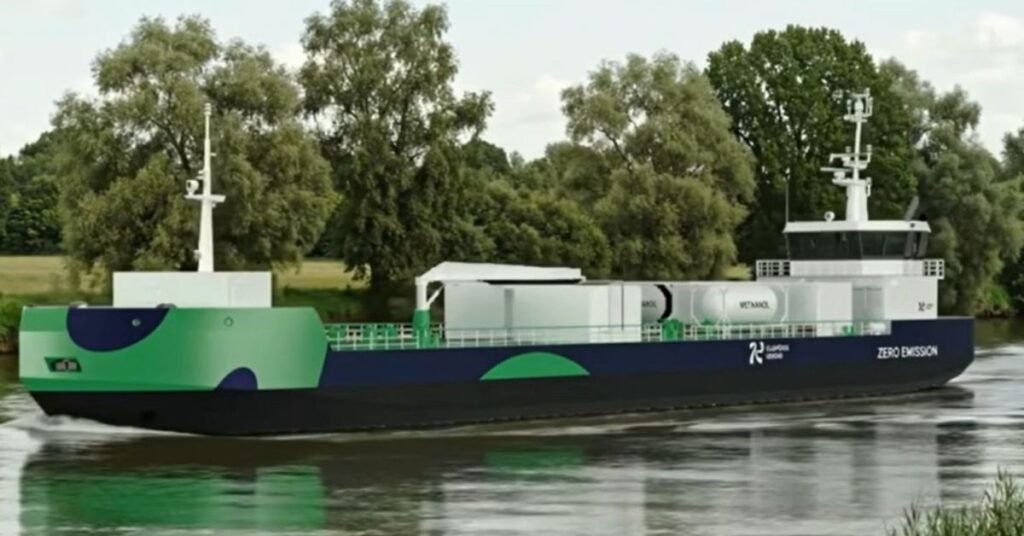
The Klaipėda Port Authority and its partners have developed a concept for a green methanol bunkering vessel. The project aims to prepare the Port of Klaipėda for growing demand for alternative marine fuels and the development of green shipping corridors across the Baltic Sea. The proposed vessel would have a green methanol capacity of 800
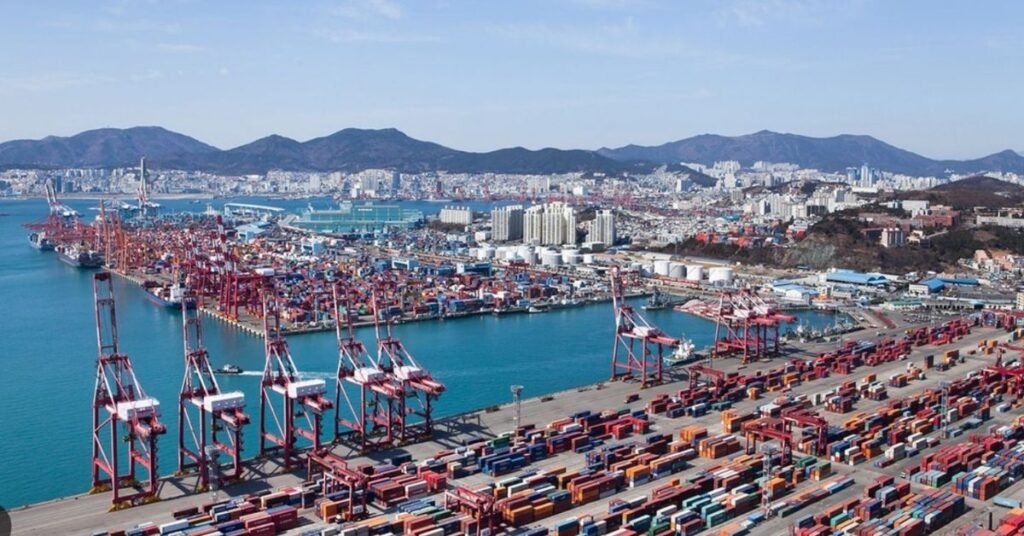
The South Korean government is developing rules to prepare its ports for green shipping corridors while planning to expand its alternative-fuel fleet. The Ministry of Oceans and Fisheries has proposed legislation setting out detailed rules for the country’s Special Act on Support for the Establishment of Green Shipping Routes, ahead of the Act’s entry into
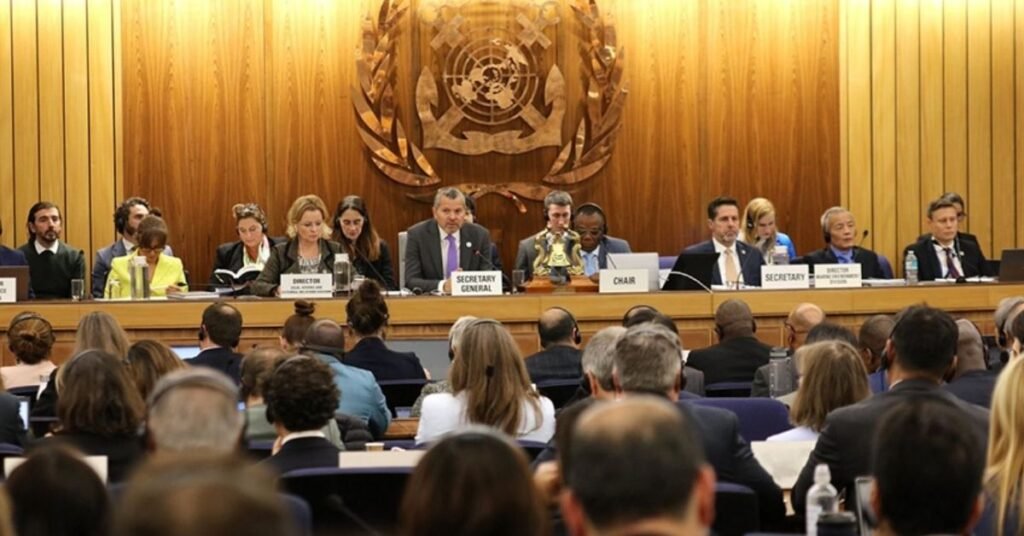
Shipping’s carbon bill returns to the table next week. The IMO Intersessional Working Group on Reduction of Greenhouse Gas Emissions from Ships meets in London from September 1 to 4 and will report its findings to MEPC 85, scheduled for November 30 to December 3. The framework was adopted at MEPC 83, but formal approval
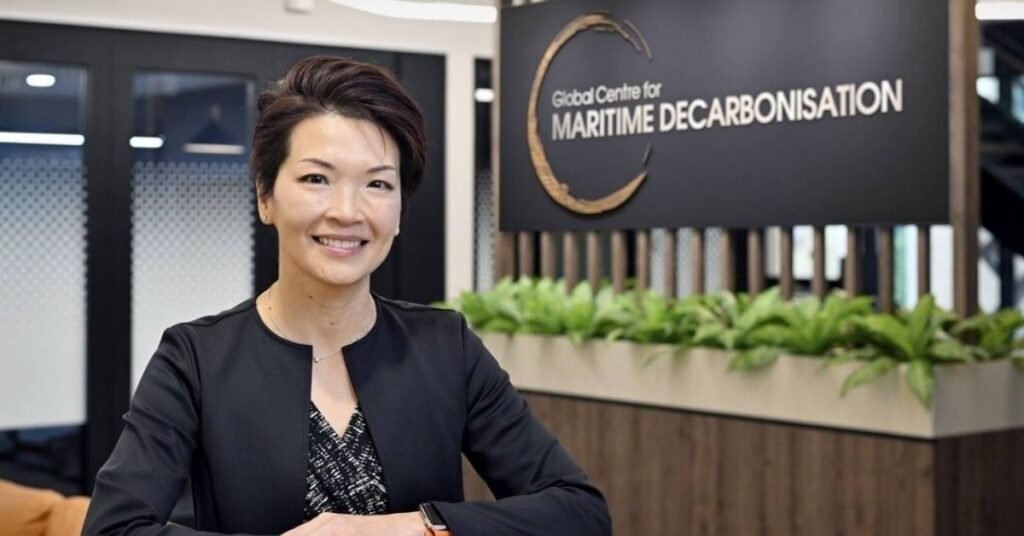
The Global Centre for Maritime Decarbonisation (GCMD) has released a new report, Quantity Assurance in Marine Biofuel Supply Chains, outlining a practical approach to help shipowners verify they are receiving both the total fuel volume and the renewable content they contracted for. The findings draw on evidence from GCMD’s end-to-end marine biofuel supply chain trials
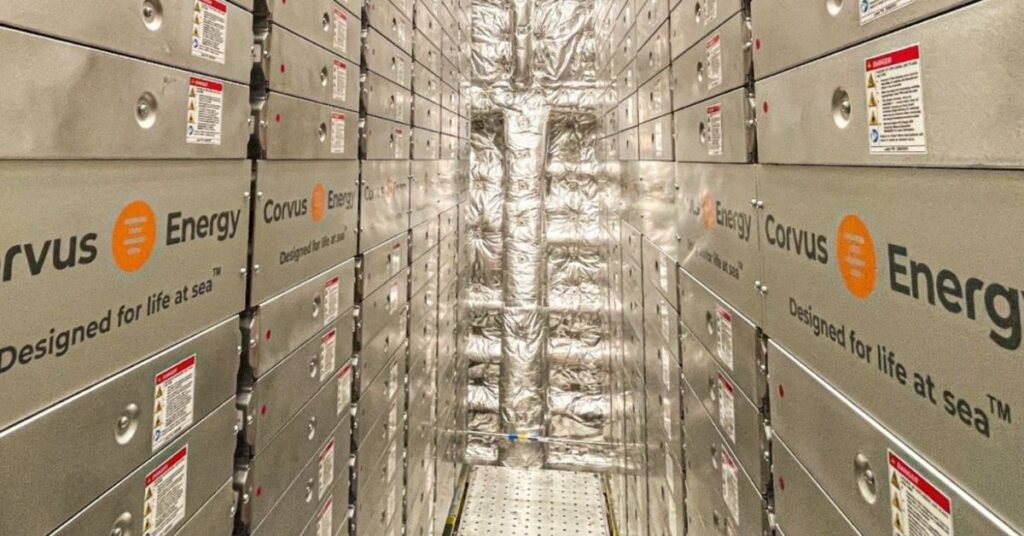
Norway-based Corvus Energy, a global leader in marine energy storage, has introduced Blue Whale NxtGen Power, a new lithium iron phosphate (LFP) energy storage system developed in partnership with BYD Energy Storage. The launch marks the first commercial product to emerge from the strategic cooperation between the two companies, first announced in December 2025. What
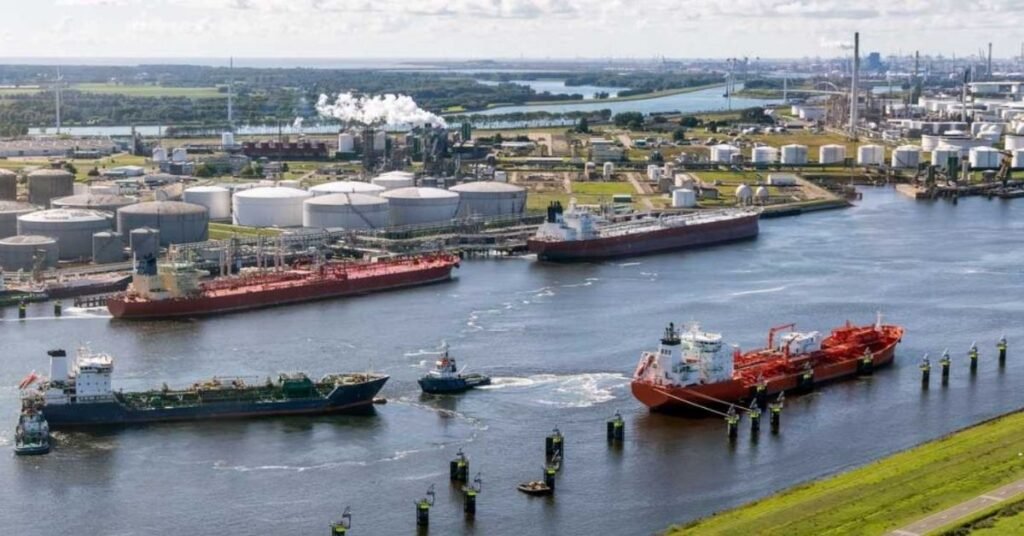
Major and secondary ports across Europe are ramping up investment in biofuel, methanol, and ammonia bunkering infrastructure, as volatile oil prices and tightening EU regulations push shipowners toward alternative fuels faster than many terminals can keep pace with. Why is oil price volatility driving the shift to biofuels? According to John Bassadone, founder and chief
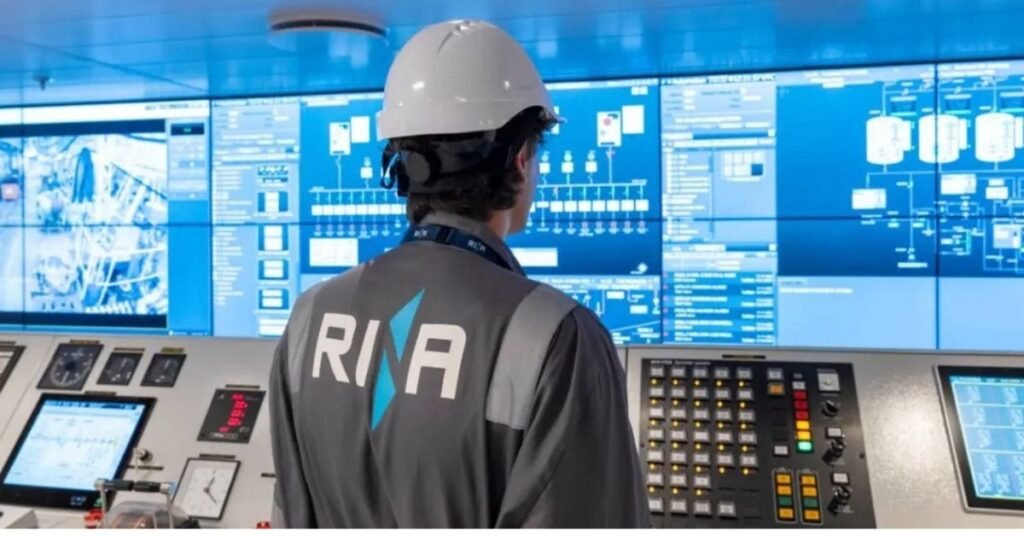
Classification society RINA has unveiled Mermaid, a new ship propulsion concept designed to help shipowners cut fuel consumption, lower emissions, improve operational resilience, and protect long-term asset value, all while staying flexible as the shipping industry’s decarbonisation pathway continues to evolve. What does the Mermaid concept actually do? Mermaid expands the role of a vessel’s