
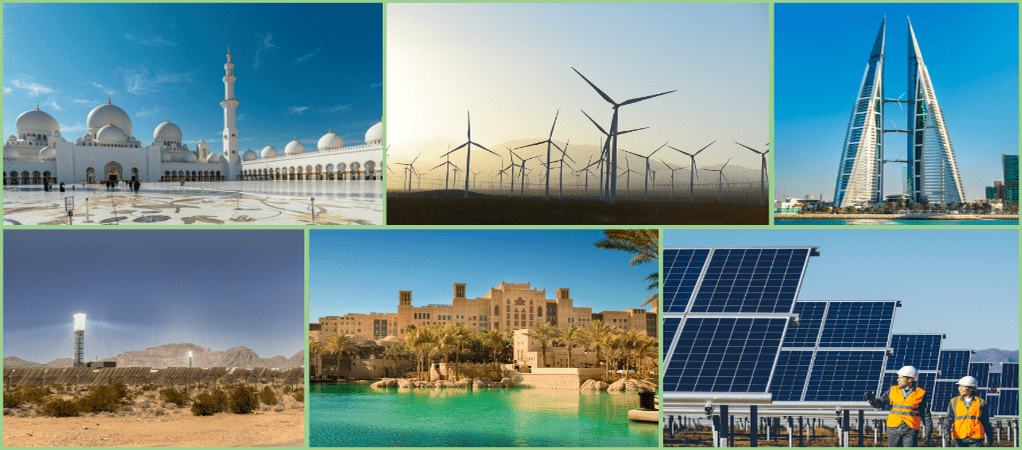
The UAE will work with Cop28 participants to triple the world’s renewable energy capacity and double the production of hydrogen by 2030, the UAE Minister of Energy and Infrastructure has said.
The Emirates, the Arab world’s second-largest economy, is investing heavily in clean energy projects and has announced several initiatives as it seeks to achieve net-zero emissions by 2050.
This month, the Cabinet approved the updated version of the UAE Energy Strategy 2050 and the development of the National Hydrogen Strategy.
Under the updated objectives of the UAE Energy Strategy 2050, the country will invest Dh200 billion ($54 billion) by 2030 to ensure energy demand is met while sustaining economic growth.
The new strategies will position the UAE at the “forefront” of the global energy transition while helping the country to slash carbon emissions by 40 per cent by the end of the decade.
The UAE is developing new clean energy projects such as the Barakah nuclear plant, a two-gigawatt solar plant in Abu Dhabi’s Al Dhafra region and the five-gigawatt Mohammed bin Rashid Al Maktoum Solar Park in Dubai.
Annual renewable power capacity must add an average of 1,000 gigawatts annually by 2030 to meet the Paris Agreement’s goals, according to the International Renewable Energy Agency (Irena).
Although global renewable capacity in the power sector grew by a record 300 gigawatts last year, the gap between actual progress and the development required to achieve long-term climate goals has continued to grow, the Abu Dhabi-based agency said in its World Energy Transitions Outlook 2023 last month.
Global investments in energy transition technology must quadruple to $35 trillion by 2030 to stay in line with commitments made under the Paris Agreement.
Recent Posts
Marine
Singapore Unveils Ammonia Bunkering Standard, First Ethanol Bunkering and LNG Storage Plans
Ammonia
Singapore Launches TR 148 Ammonia Bunkering Standard and Model Contract to Prepare for Ammonia-Fuelled Ships
Policy
China Targets Doubling New Energy Inland Vessels by 2028 Under 2026-2030 Action Plan