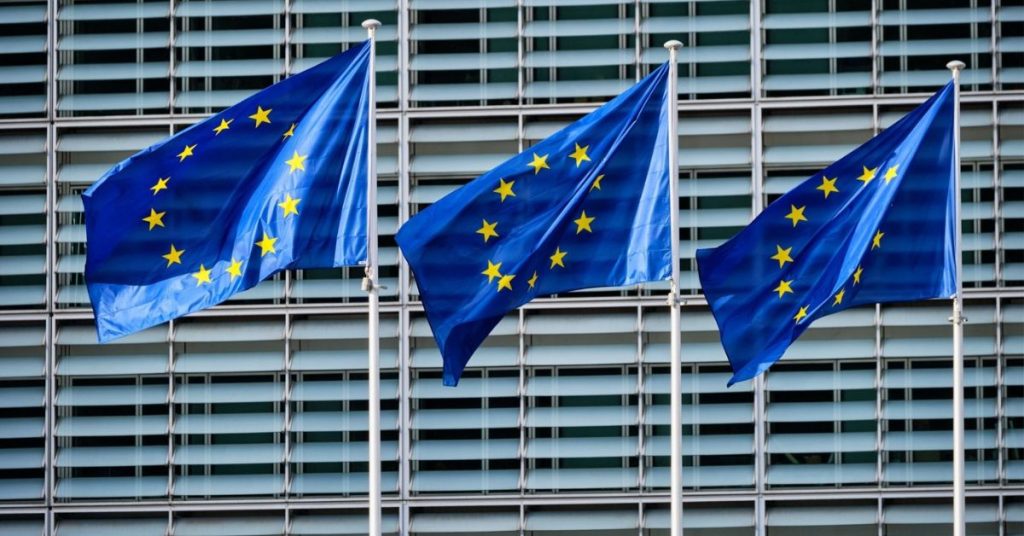
The European Commission has adopted a new greenhouse gas emissions methodology for low carbon hydrogen and related fuels, completing the regulatory structure needed to support the growth of a clean hydrogen market across the European Union.
This methodology, introduced under the Hydrogen and Gas Market Directive, complements existing rules on renewable hydrogen and renewable fuels of non-biological origin (RFNBOs). It sets a consistent framework for assessing emissions from low carbon hydrogen production, offering regulatory clarity that is expected to encourage investment and accelerate project development across the bloc.
Framework Supports Hard-to-Abate Sectors
The updated rules come at a time when low carbon hydrogen is increasingly viewed as essential to decarbonising sectors where electrification is not yet feasible—such as aviation, maritime transport and energy-intensive industries. The Commission noted that the new methodology will help align hydrogen development with the EU’s long-term climate neutrality goals for 2050 while preserving industrial competitiveness.
To qualify as low carbon, hydrogen must now achieve a minimum 70 percent reduction in greenhouse gas emissions compared to conventional fossil fuels. The definition covers a range of production pathways, including hydrogen from natural gas with carbon capture, utilisation and storage (CCUS), as well as electricity derived from low carbon sources.
Tailored to Europe’s Energy Diversity
The Commission highlighted that the framework was designed to reflect the varying energy mixes among EU Member States. It offers flexibility in implementation while maintaining strict environmental standards. The approach to renewable electricity accounting, which follows the Renewable Energy Directive’s annual average method, remains unchanged for now but will be revisited in future reviews.
The initiative also ties into the EU’s broader methane reduction strategy. The Commission affirmed that implementation of the Methane Regulation will prioritise straightforward and effective solutions that meet environmental goals without imposing unnecessary complexity.
Looking Ahead: Nuclear PPAs and Public Consultation
The Commission has also announced plans for further guidance on the use of Power Purchase Agreements (PPAs) for nuclear energy. In 2026, a public consultation will be launched to explore a draft methodology for hydrogen produced directly from nuclear sources, aiming to offer clarity for investors and developers in this area.
Next Steps in the Legislative Process
The adopted Delegated Act will now be submitted to the European Parliament and Council. Both bodies have a two-month window to review and either approve or reject the proposals. This review period can be extended by another two months if requested. The proposal cannot be amended during this phase.Broad Consultation and Strategic Alignment
The Commission’s adoption follows consultations with industry stakeholders and Member States. A draft version was open for public feedback from September to October 2024 and discussed further in technical groups in November 2024 and May 2025.
Recent Posts
Ammonia
Maersk Tankers Ammonia Retrofit Project Advances Towards EU Support
Policy
EU Maritime Innovation Projects Advance in €3.4-Billion Funding Selection
Policy
Shanghai–Melbourne Green Shipping Corridor Sets 2035 Vessel Deployment Goal