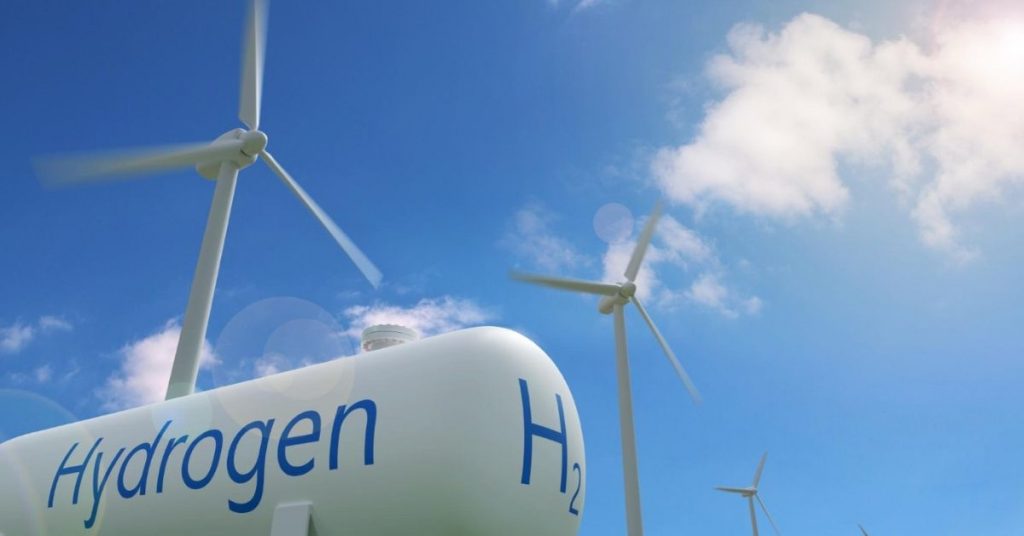
The Government of India has opened the second round of applications for research and development (R&D) funding under its ₹4 billion (approximately $48.12 million) R&D Roadmap, part of the National Green Hydrogen Mission.
Following the first call for proposals in March 2024, this new round seeks submissions that align with key national objectives including lowering the cost of hydrogen, improving safety and efficiency, and enabling scalable solutions.
Proposals are expected to focus on three broad priority areas:
Hydrogen Production: Projects developing cost-effective electrodes, advanced membranes, and biomass-based production methods such as modular reformers.
Storage and Transport: Innovations in high-capacity storage materials, economical compression techniques, pipeline feasibility studies, and liquid organic hydrogen carriers (LOHC).
Application Development: Technologies for hydrogen refueling infrastructure, hydrogen-based power systems, unmanned aerial vehicles (UAVs), and safety tools such as sensors and leak detection systems.
Eligible applicants include academic institutions, public sector undertakings (PSUs), industry players, and government-affiliated research organisations. Collaborations between academia and industry are strongly encouraged. Each proposal must begin at a minimum technology readiness level (TRL) of 4 and aim for a TRL of at least 7, with defined deliverables, detailed timelines, principal investigator credentials, and international comparability.
Funding Structure
Government, academic, and non-profit entities may receive up to 100 percent of project costs, while private sector applicants are eligible for up to 80 percent funding. For consortium-based proposals, academic institutions can receive full funding, but participating industrial partners are required to contribute both financially and technically.
Overhead Costs
Overhead costs are structured as follows:
• For projects up to ₹10 million (approx. $116,000), the overhead cap is 8 percent.
• For those between ₹10 million and ₹50 million, the cap is ₹1.5 million or 8 percent, whichever is lower.
• For projects from ₹50 million to ₹100 million, the cap is ₹1.5 million plus 2 percent of the amount exceeding ₹50 million.
• For projects between ₹100 million and ₹200 million, the cap is ₹2.5 million plus 1.5 percent of the amount above ₹100 million.
• For projects exceeding ₹200 million, the cap is ₹4 million plus 1 percent of the amount above ₹200 million.
Annual domestic travel expenses are capped at ₹300,000 (approx. $3,488) per project, and up to 10 percent of total project costs may be allocated to contingencies.
Recent Posts
Biofuels
WinGD Ethanol-Fuelled Engine Completes First In-Service Voyage on Maersk Vessel
Power & Propulsion
Norsepower Rotor Sails Installed on Airbus Cargo Ship Spirit of Toulouse
EV
Estonia Electric Ferry to Combine Steerprop Propulsion with Battery Power