
Hydrogen
Nepal Eyes Green Hydrogen Future with Policy Push and Hydropower Potential Nepal Eyes Green Hydrogen Future with Policy Push and Hydropower Potential
Nepal is positioning itself as a potential leader in green hydrogen, leveraging its vast hydropower resources and recent policy initiatives. A new report by SAWTEE outlines the country’s strategic potential for producing green hydrogen using surplus electricity from its growing renewable energy capacity.
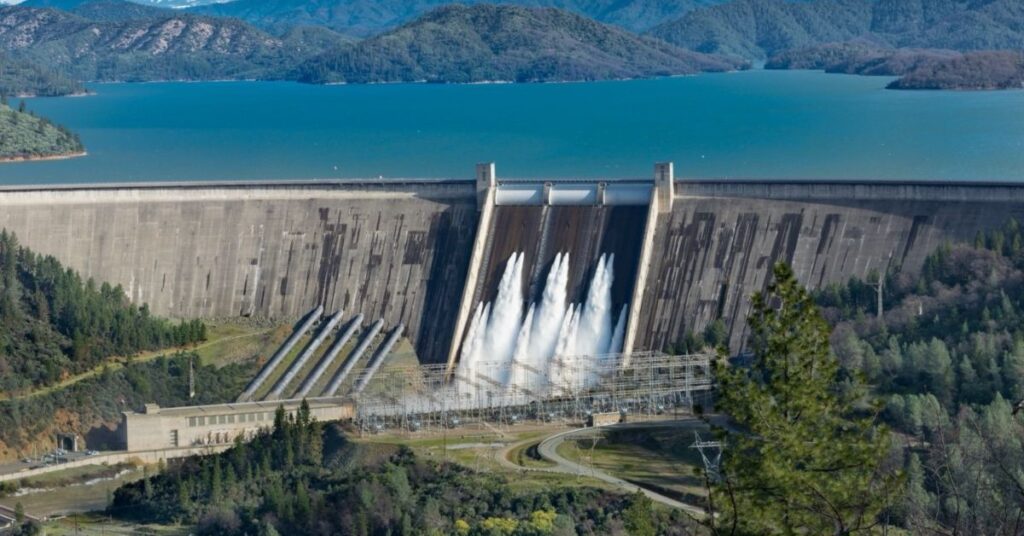
Hydropower currently accounts for nearly 95 percent of Nepal’s electricity generation. With ambitious plans to generate 28,500 MW over the next decade, the government is exploring green hydrogen as a sustainable energy solution that could support domestic industries and enable clean energy exports.
The 2023 Green Hydrogen Policy, along with recent tax exemptions and investment incentives, reflects the country’s commitment to decarbonisation. A Memorandum of Understanding signed in Koshi Province for a green hydrogen-based fertilizer plant signals early commercial interest.
However, the path forward is not without challenges. High production costs, limited infrastructure, safety concerns, and the absence of a dedicated institutional framework could slow progress. Experts emphasize the need for clear regulations, public-private partnerships, foreign investment, and pilot projects to unlock the full potential of green hydrogen in Nepal.
These findings are detailed in the July 2025 issue note titled “Green Hydrogen in Nepal: Unlocking a Sustainable Energy Future”, authored by Madhu K. Marasini and Prajol Joshi. Published by South Asia Watch on Trade, Economics and Environment (SAWTEE), the report provides an in-depth assessment of Nepal’s green hydrogen landscape and offers strategic recommendations for driving the sector forward.
Recent Posts
Biofuels
WinGD Ethanol-Fuelled Engine Completes First In-Service Voyage on Maersk Vessel
Power & Propulsion
Norsepower Rotor Sails Installed on Airbus Cargo Ship Spirit of Toulouse
EV
Estonia Electric Ferry to Combine Steerprop Propulsion with Battery Power