
Summary
DSV has agreed to use CMA CGM’s ACT+ low-carbon shipping solution to cut 12,000 tonnes of CO2 emissions over two years, powered by second-generation UCOME biofuel. The deal deepens the partnership between the French carrier and the Danish logistics giant and adds to a growing list of forwarders and cargo owners buying lower-carbon ocean freight.
Article
Marseille: CMA CGM and DSV have signed an agreement under which DSV will use the CMA CGM ACT+ low-carbon shipping solution to support a targeted reduction of 12,000 tonnes of CO2 emissions over two years, the companies announced on October 7, 2026.
The reductions will come from the use of second-generation biofuels based on UCOME, or used cooking oil methyl ester, a fuel derived from waste feedstocks.
What is ACT+?
ACT+ is CMA CGM’s range of low-carbon transport solutions, developed as part of its target of Net Zero Carbon by 2050. The service can cut CO2 emissions by up to 83% compared with conventional marine fuel through the use of low-carbon fuels.
First launched in 2020 as ACT with CMA CGM+, the offer lets customers reduce the carbon footprint of their shipments by 10%, 25%, 50% or up to 83% on a well-to-wake basis using fuels such as second-generation biofuels, with carbon offsetting available to complement the reductions.
What did the companies say?
Michael Hollstein, Senior Vice President, Global Ocean Product at DSV, said “reducing emissions across global supply chains requires strong collaboration and scalable solutions.” He added that the partnership widens access to lower-carbon shipping options for DSV’s customers.
Amandine Paulet, Vice President and Deputy Chief Commercial Officer at CMA CGM, said the partnership shows how close collaboration can deliver more resilient and sustainable logistics alongside high-performance customer solutions.
How does it fit DSV’s strategy?
The agreement supports DSV’s goal of reaching net-zero emissions across its own operations and value chain by 2050. It also strengthens a long-standing relationship between the two companies.
DSV became one of the world’s largest logistics groups after completing its acquisition of DB Schenker from Deutsche Bahn in April 2025 for about €14.3 billion. Based on 2024 figures, the combined group had pro-forma revenue of about DKK 310 billion and close to 160,000 employees in more than 90 countries.
Who else uses ACT+?
DSV joins a growing number of large companies adopting or renewing ACT+ commitments. In December 2025, DHL Global Forwarding and CMA CGM agreed to jointly use 8,990 tonnes of UCOME biofuel, cutting an estimated 25,000 tonnes of CO2e for shipments under DHL’s GoGreen Plus service. CMA CGM physically bunkers the biofuel across its fleet, while DHL allocates the savings to customers through a book-and-claim model.
Earlier, Nestlé moved all of its CMA CGM volumes to biofuel under the ACT range, avoiding about 70,000 tonnes of CO2 a year.
What is CMA CGM doing on its fleet?
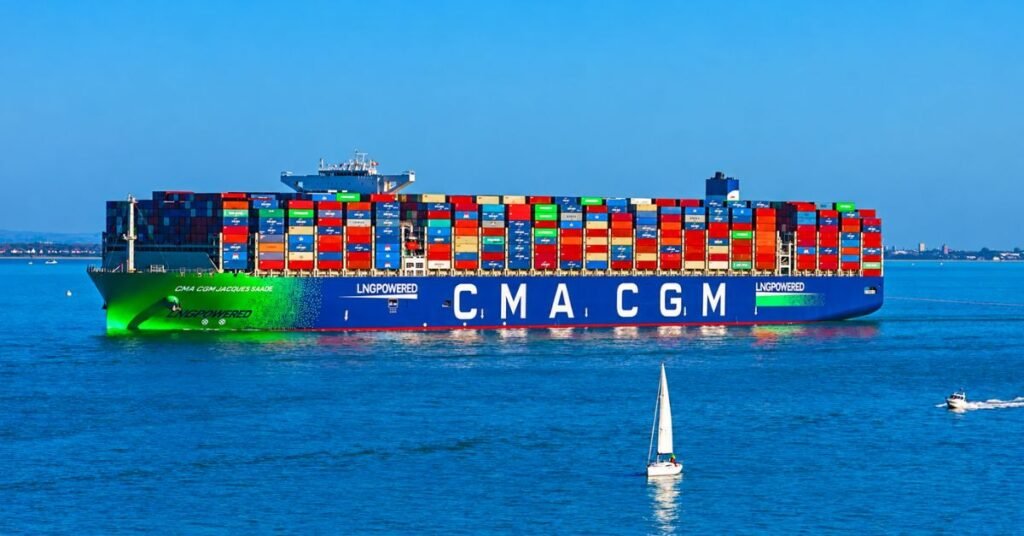
CMA CGM was the first carrier to commit to LNG propulsion for ultra-large container ships, following a 2017 decision by Chairman and CEO Rodolphe Saadé. That led to the 2020 delivery of the 23,000 TEU CMA CGM Jacques Saadé, the world’s first ship of its size powered by LNG.
In 2026, the group took delivery of CMA CGM Notre Dame, the largest containership under the French flag and the first of ten 24,212 TEU LNG-powered vessels. CMA CGM expects to operate around 200 dual-fuel LNG and methanol vessels by 2031, and says it has cut the carbon intensity of its shipping activities by 57% since 2008.
Why does it matter?
For freight forwarders, carrier-backed biofuel programmes offer a ready way to sell lower-carbon ocean freight to shippers facing Scope 3 reporting pressure, without waiting for alternative-fuel fleets to scale up. For carriers, such agreements secure demand and help fund the higher cost of low-carbon fuels. Deals of this kind are likely to multiply as customers seek verified emissions cuts ahead of tighter regulation, including the IMO’s planned December vote on its Net-Zero Framework.
FAQs
What has DSV agreed with CMA CGM?
DSV will use CMA CGM’s ACT+ solution to support a targeted reduction of 12,000 tonnes of CO2 emissions over two years.
What fuel will be used?
The reductions will come from second-generation UCOME biofuel, made from used cooking oil.
How much can ACT+ reduce emissions?
CMA CGM says ACT+ can cut CO2 emissions by up to 83% compared with conventional marine fuel on a well-to-wake basis.
Which other companies use ACT+?
DHL Global Forwarding and Nestlé are among the companies that have signed low-carbon shipping agreements with CMA CGM.
What are CMA CGM’s fleet decarbonisation plans?
CMA CGM expects to operate around 200 dual-fuel LNG and methanol vessels by 2031 and targets Net Zero Carbon by 2050.
Recent Posts
Bunkering
SLNG third jetty to expand Singapore’s LNG bunker reload capacity
Biofuels
DSV Signs Up for CMA CGM ACT+ to Cut 12,000 Tonnes of CO2 with UCOME Biofuel
Technology
Sagar Defence and Lloyd’s Register Partner on Autonomous Maritime Systems Certification