

The carbon removal company, recently spun out from the UCLA Samueli School of Engineering’s Institute for Carbon Management, believes it has stolen a march on competitors through its dual-use technology, which can address legacy and future emissions in a single process.

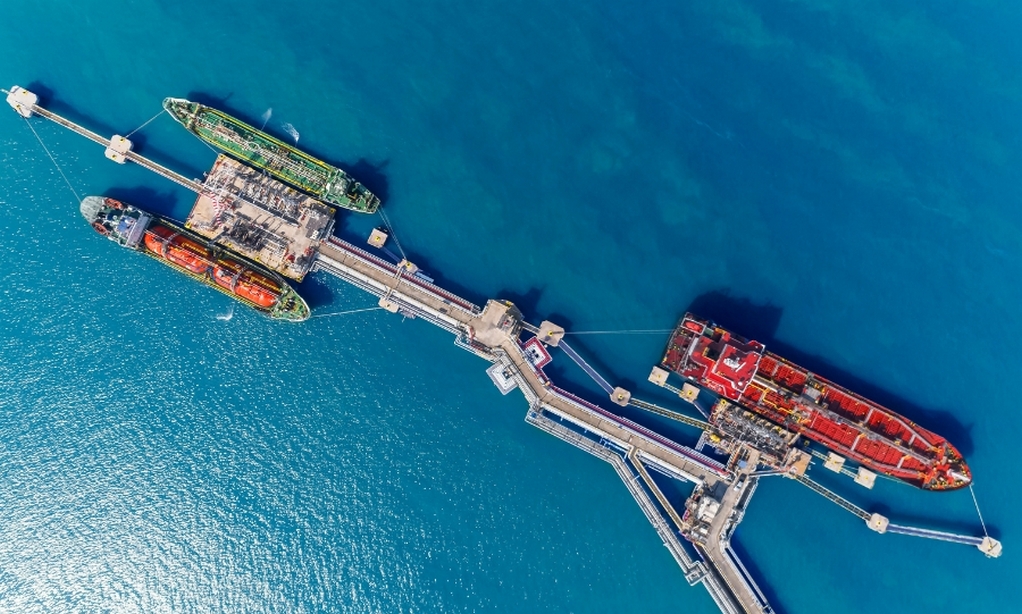
Bunker One said the 3,500-ton capacity NORE will serve as a multi-fuel bunker tanker, able to store different products among her tank pairs. The vessel is the fourth bunker tanker in Bunker One Sweden’s fleet.

Green hydrogen, which is made with renewable energy, is typically produced with electrolyzers that break down water molecules into hydrogen and oxygen.
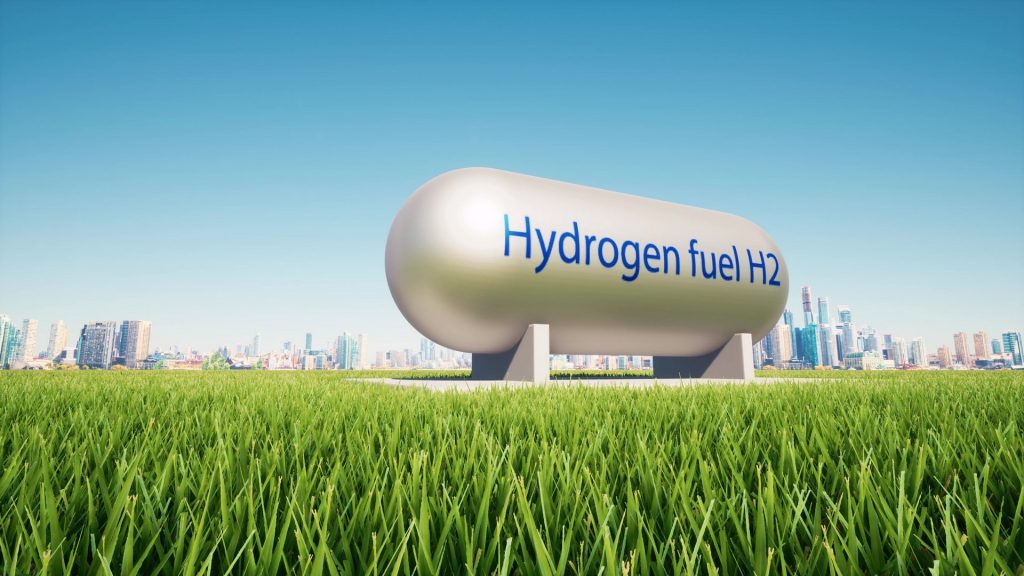
One proposed solution is the use of liquid organic hydrogen carrier (LOHC) technologies, wherein hydrogen is chemically combined into a liquid carrier for easier transport and storage, but LOHC requires reactors and other equipment that can be complex and expensive to set up.
In response to the maritime net zero carbon emission target by 2050, Yang Ming is continuously building a green and energy-saving fleet.

These vessels, with a capacity of 16,000 DWT, will be powered by methanol, making them environmentally friendly and paving the way for sustainable shipping solutions, accoridng to the company.

The company announced that it has formed a consortium with a total of 14 European academia-industry institutions, including the American Bureau of Shipping (ABS) and the Dresden University of Technology, and will begin joint development of large-scale liquid hydrogen cargo tank technology starting next month.
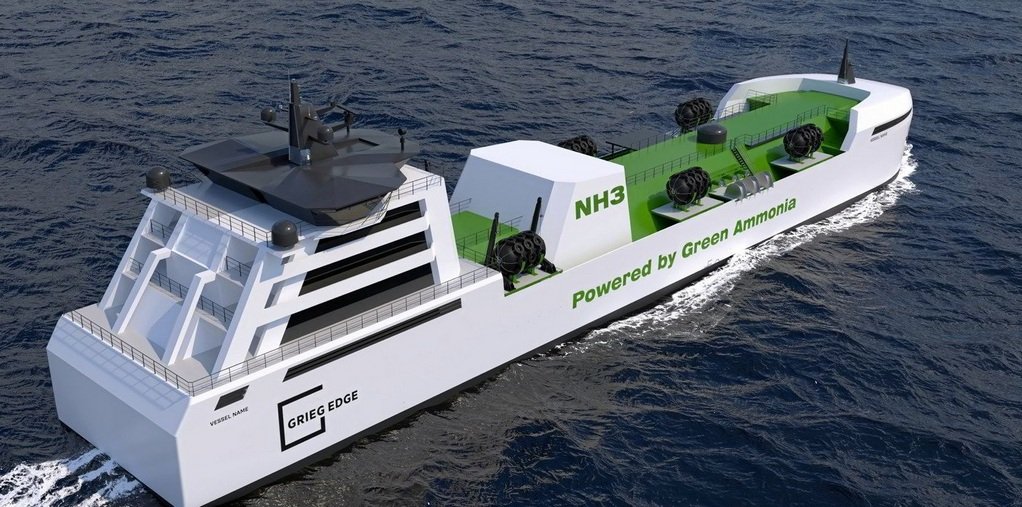
Grieg Maritime Group said the 225 m long newbuilds will dwarf the 50,800 dwt L-class, previously the latest and largest vessels in its fleet.
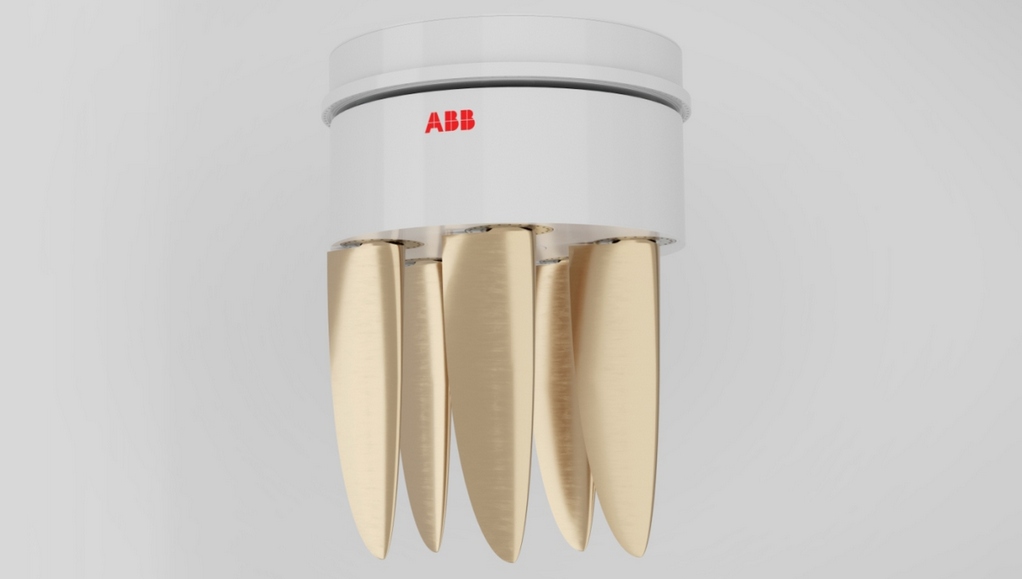
The Swiss technology group named the innovative concept ABB Dynafin, which it said took over a decade of research, development, and testing.

The easing of US sanctions has seen nearly a quarter of Venezuelan crude head to the US in the first four months of 2023 in a dramatic shift for tanker trading patterns in the western hemisphere.