

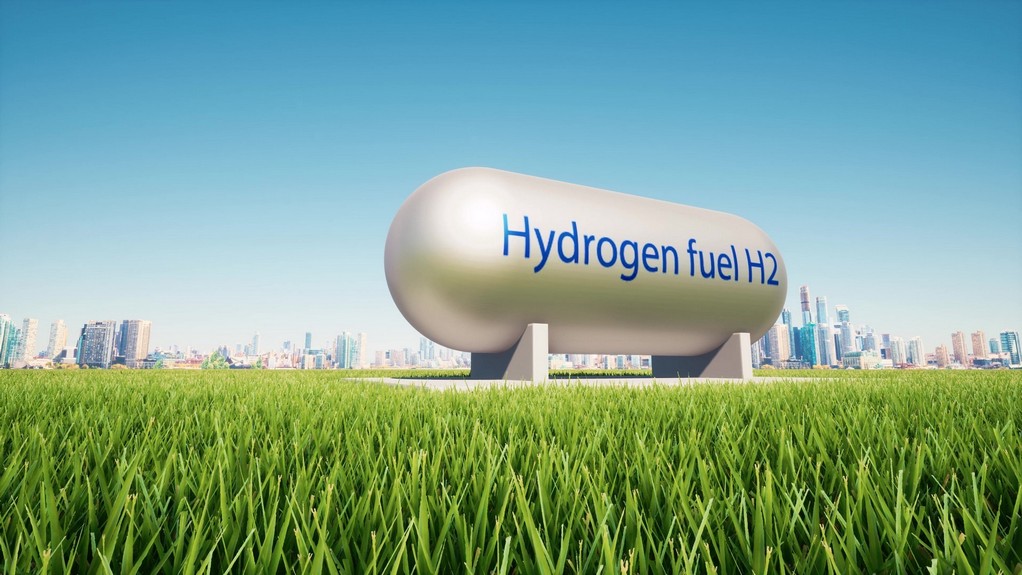
Under the revised Basic Hydrogen Strategy, approved at a meeting between relevant ministers, the country also plans to increase its hydrogen supply sixfold from the current level of 2 million tons to around 12 million tons by 2040.

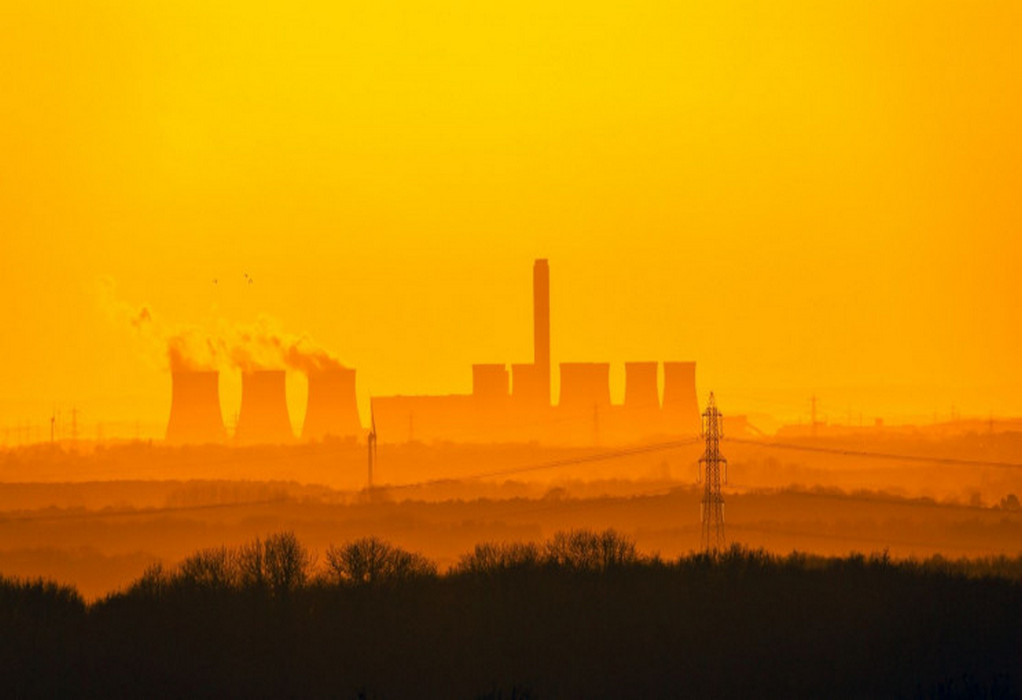
The carbon capture specialist’s new partnership will see Absolute Energy join the expanding network of ethanol plants that are part of Summit Carbon Solutions’ carbon capture and storage project.
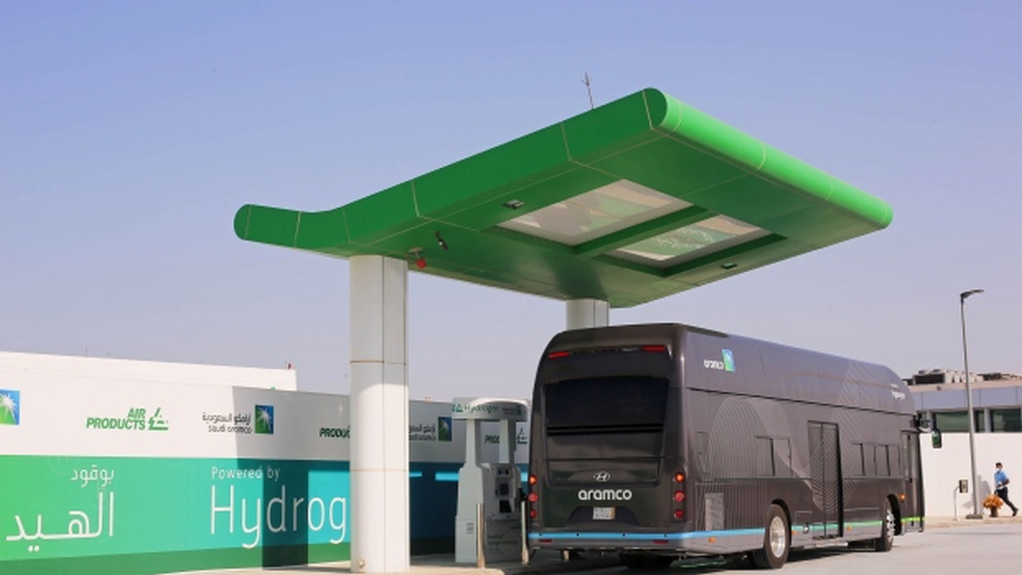
By mid-2024, the company will be making hydrogen for vehicles such as buses and trucks. A larger plant, focusing on exports, is also being developed.

The approval in principle covers its use on ships fuelled by ammonia with the DNV Class notation gas fuelled ammonia or on gas tankers fuelled by ammonia with the DNV Class notation GF NH3.
Such environmental performances could be reached thanks to the use of 2/3rd of recycled content as raw material, natural gas, and electricity from renewable energy sources.

The company also said that despite the massive increase in last three years, a decline of 22 per cent was seen last year in the ESG secto
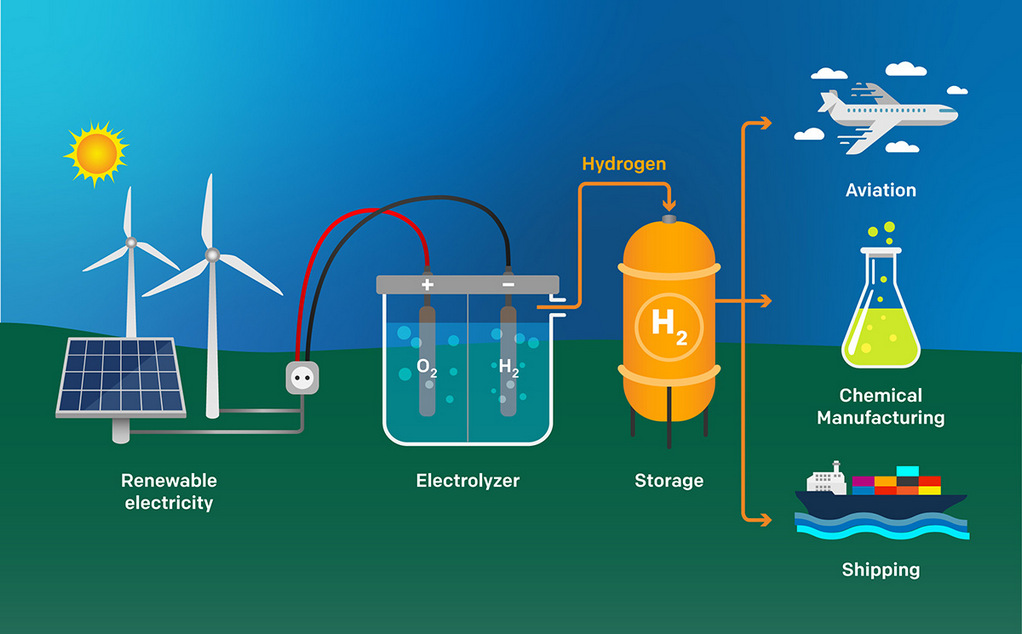
The working group consisted of 3 sub-groups headed by the private sector, and also featured representatives from government bodies like MoRTH, DPIIT, BIS, PNGRB, PESO and OISD. The sub-groups focused on aspects of production & use, transportation & storage, and mobility; and observed similar norms made by other countries or private organisations during the process.
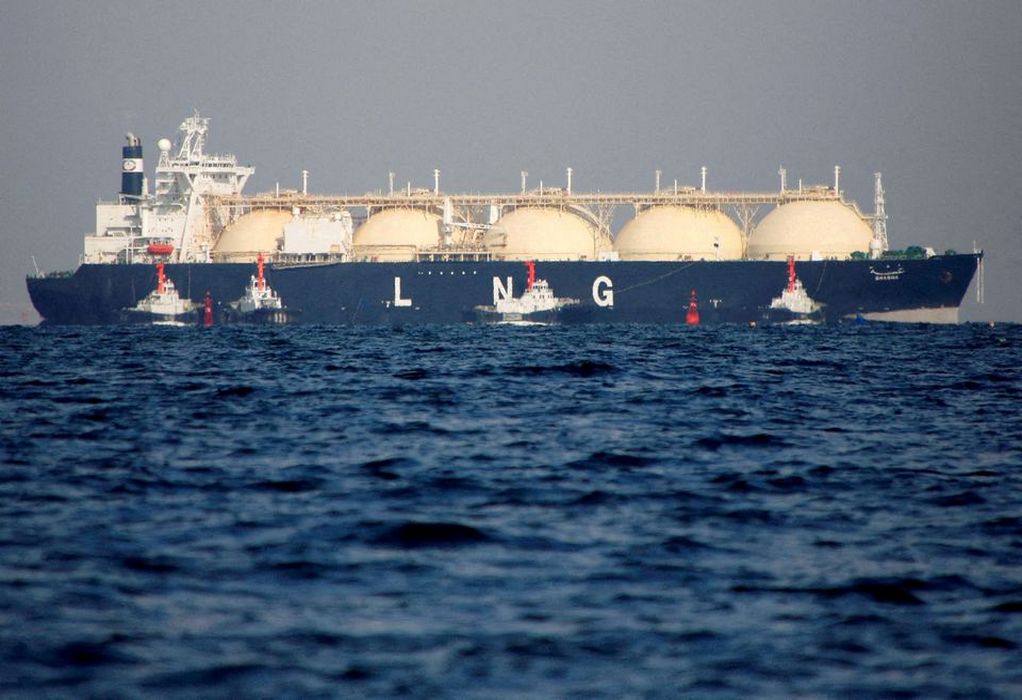
India has set ambitious targets to become one of the world’s biggest LNG importers by more than doubling the share of gas in its energy mix to 15 per cent by 2030, helping attract a wave of infrastructure investment.
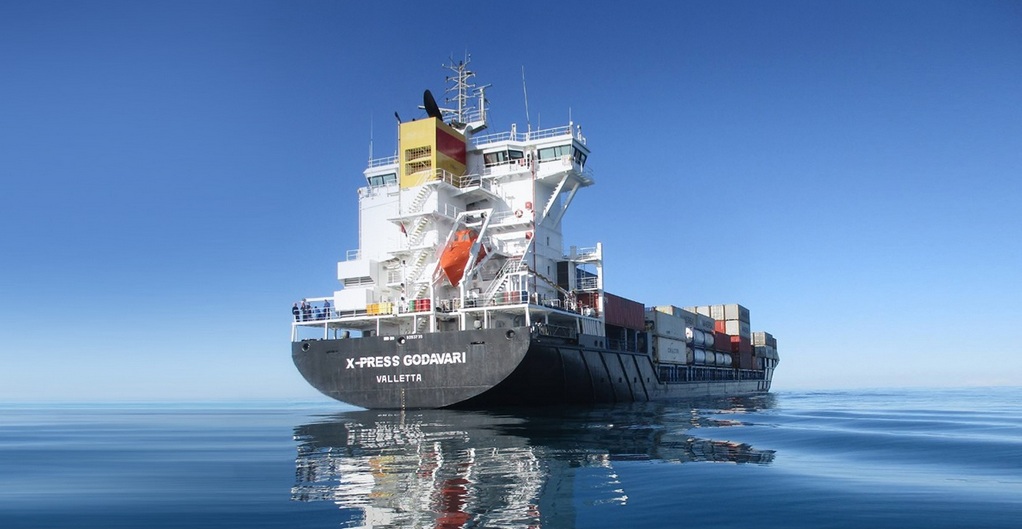
The first boxship will enter X-Press Feeders’ Europe trade routes by the second quarter of 2025, with all vessels joining the fleet by the third quarter of 2026.

Around $2.8 trillion USD will be invested globally in energy in 2023, of which $1.7 trillion will be spent on clean technologies – including renewables, electric vehicles, nuclear power, grids, storage, low-emissions fuels, efficiency improvements and heat pumps. The remainder will go on coal, gas and oil.