

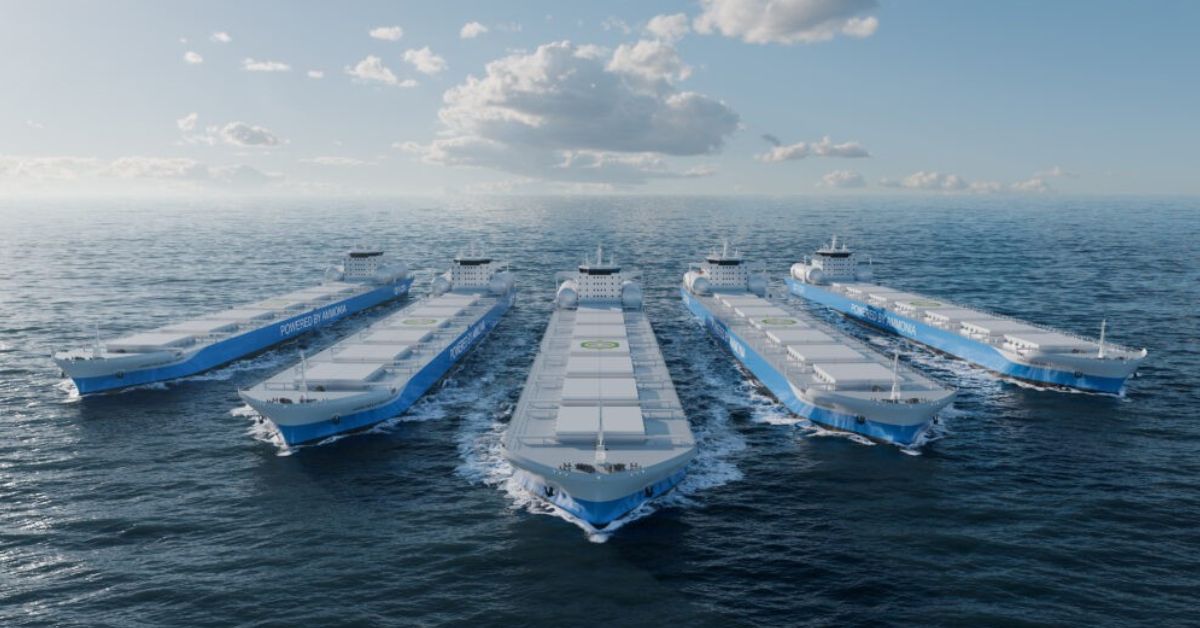
Key facts OverviewAmon Maritime has secured investment grants totalling NOK 298 million from Enova to support the construction of three new ammonia-fuelled bulk carriers. The funding builds on earlier Enova awards for two vessels and expands Amon Bulk’s ammonia-powered fleet programme to five ships in total. The three additional vessels are planned within the Kamsarmax

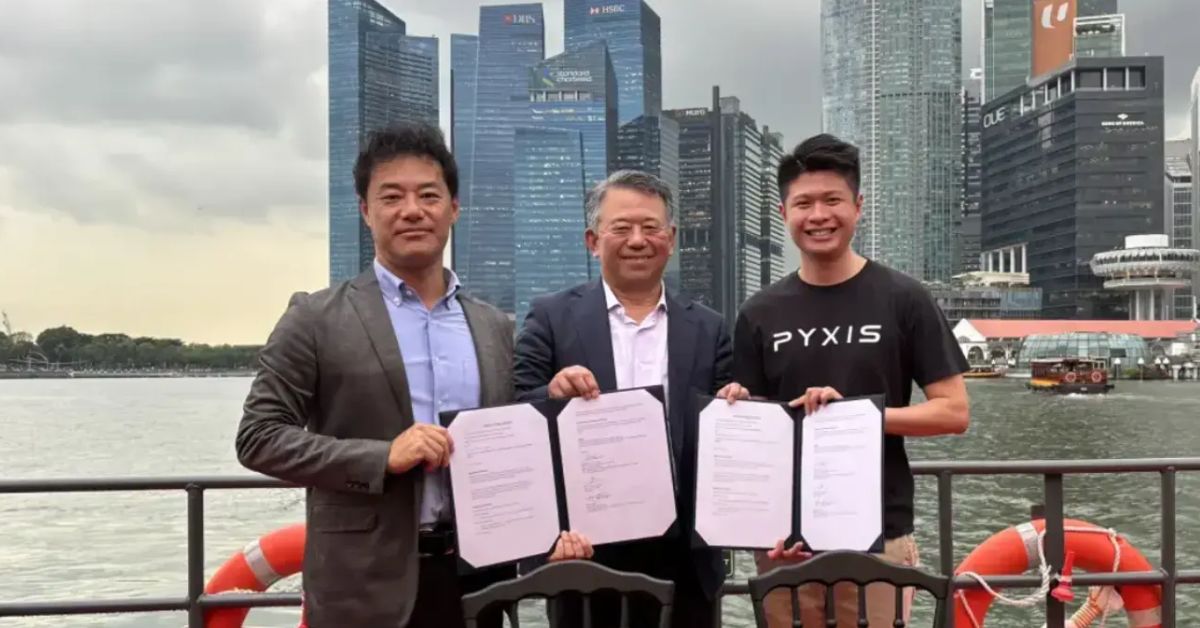
Key facts OverviewSingapore-based maritime electrification company Pyxis has raised US$10 million in the first close of its growth funding round. The capital will be used to scale electric vessel manufacturing, further develop the company’s energy management platform, and expand its marine charging network across Asia. The funding comes as demand increases for low- and zero-emission
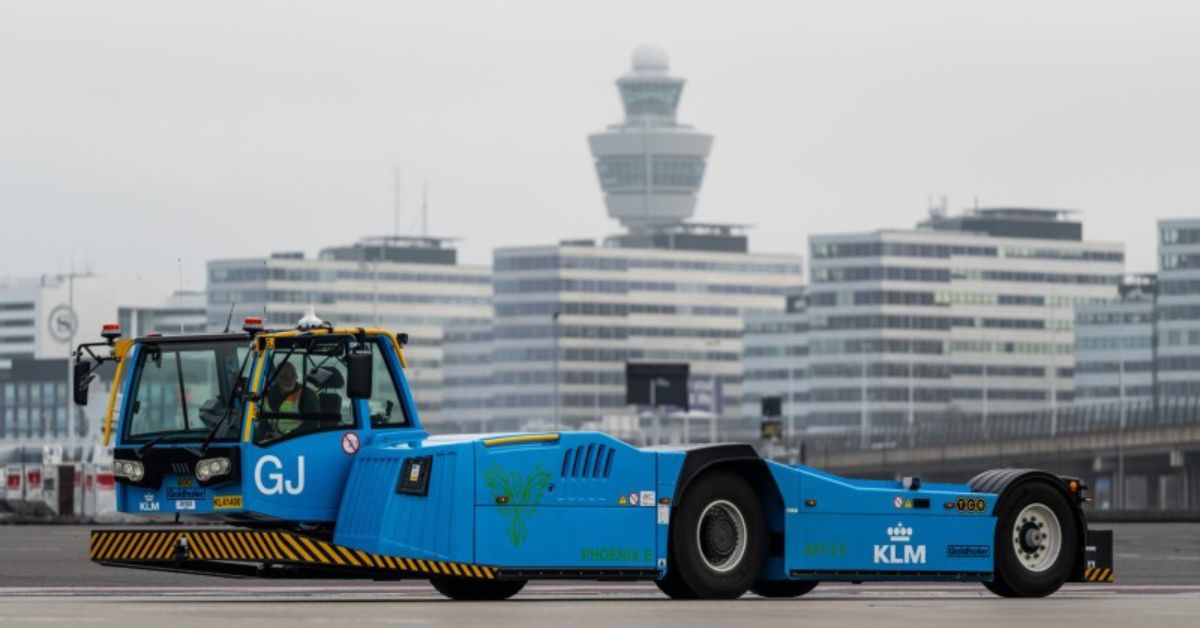
Key facts OverviewKLM Royal Dutch Airlines has placed its first new electric aircraft tow tractors into operational service at Amsterdam Airport Schiphol. The deployment forms part of the airline’s wider programme to transition its ground handling operations to zero-emission equipment by 2030. The tractors are Goldhofer Phoenix AST2E models and are supplied under a leasing
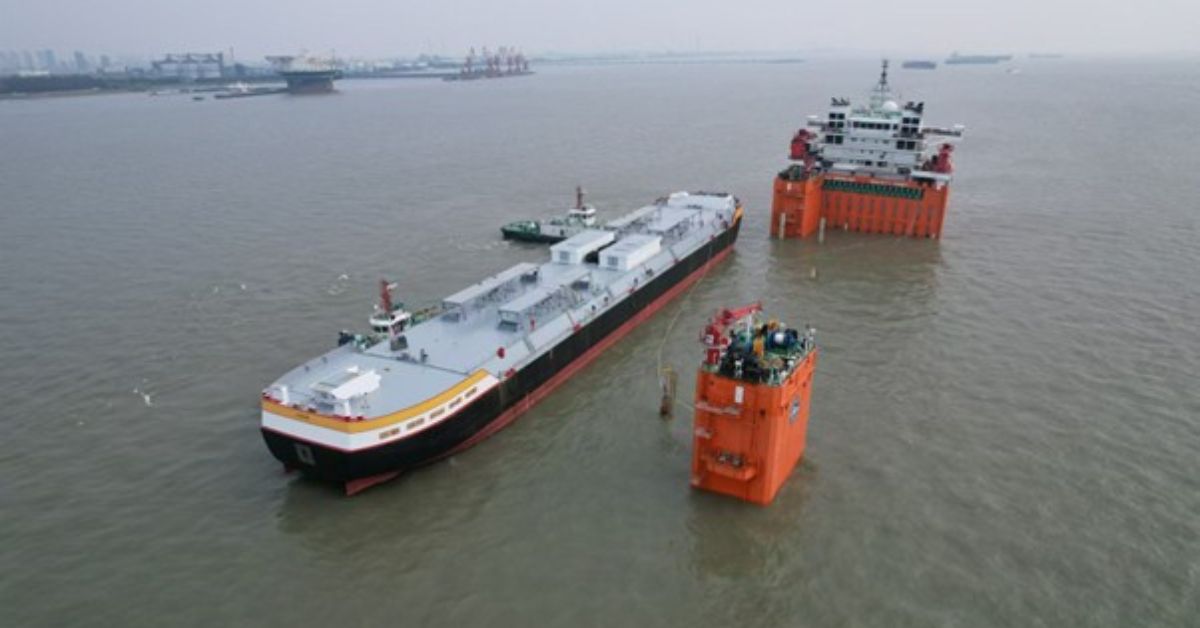
Key facts OverviewThe LNG bunker barge United LNG I has been officially christened at the Port of Antwerp. The vessel has been developed for shipping company Somtrans, with RensenDriessen acting as main shipbuilding contractor and TeamCo Shipyard and Gas & Heat responsible for outfitting and tank supply. The barge is scheduled to enter operational service
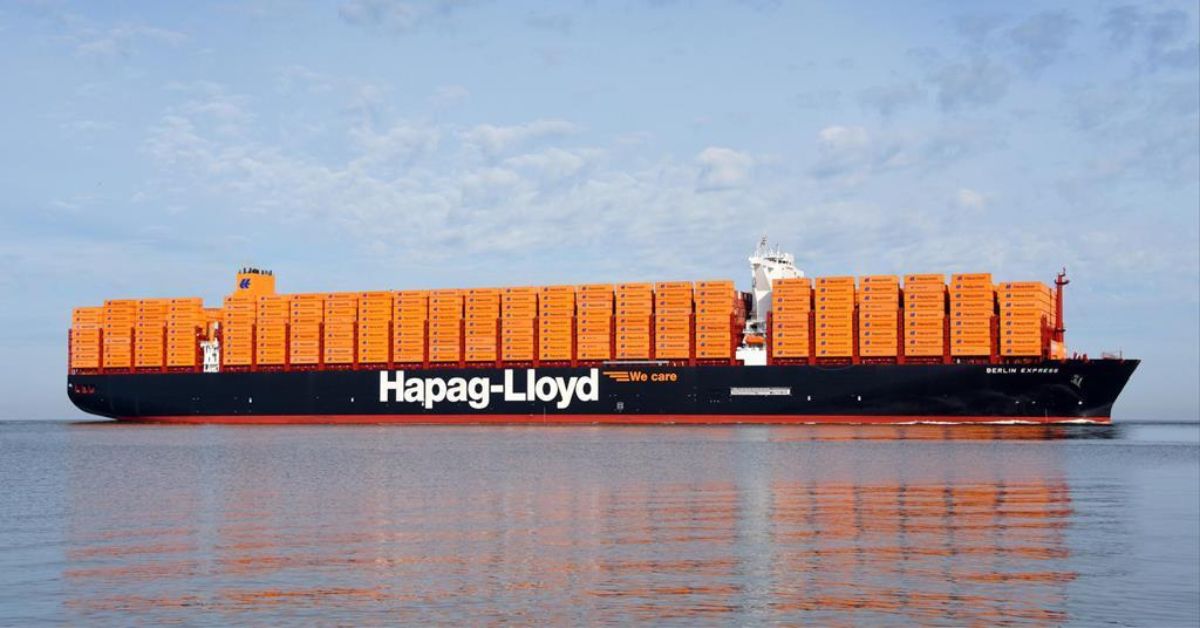
Hapag-Lloyd has moved ahead with a major fleet modernization program, confirming orders for eight methanol-capable container ships and long-term charter deals for another 14 vessels, as it sharpens its focus on efficiency and decarbonization. The German liner company has contracted China’s CIMC Raffles to build eight 4,500-TEU container ships equipped with dual-fuel engines that can operate on
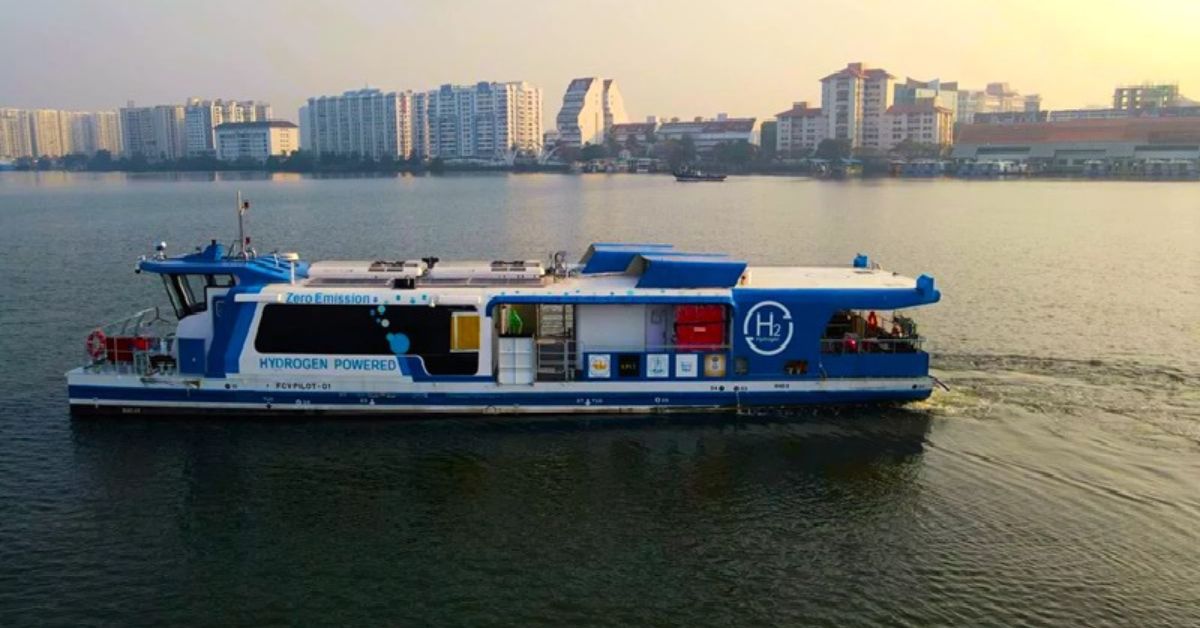
India marked a major step in clean inland water transport with the launch of its first indigenously developed hydrogen fuel-cell vessel in Varanasi. Union Minister for Ports, Shipping and Waterways Sarbananda Sonowal flagged off the vessel at Namo Ghat, formally commencing its commercial operations. Describing the launch as a landmark moment, Sonowal said the hydrogen-powered craft
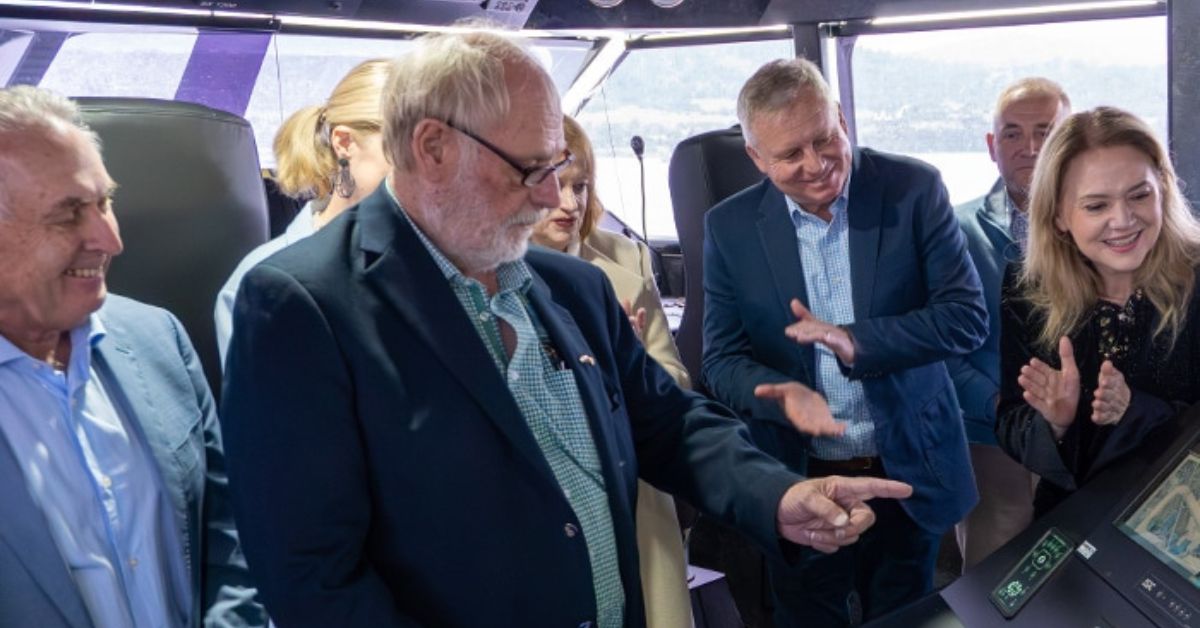
Incat Tasmania has reached a major milestone in maritime electrification after successfully powering up and testing the propulsion system of the world’s largest battery-electric ship in Hobart. The 130-metre vessel, known as Hull 096, completed its first electric motor trial this week, marking the first time a ship of this size has been operated entirely
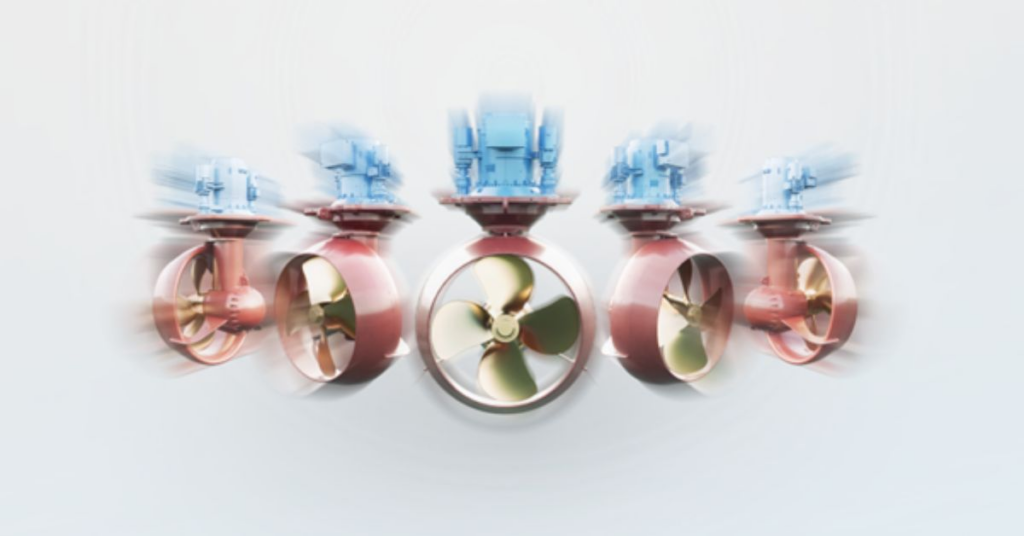
Key facts OverviewKongsberg Maritime has announced the addition of two new sizes to its UUC PM (Underwater Mountable, Permanent Magnet) azimuth thruster range, extending its portfolio of propulsion solutions for offshore and marine operations. The expansion targets vessels and units requiring higher thrust within constrained installation envelopes. The newly introduced variants are part of the
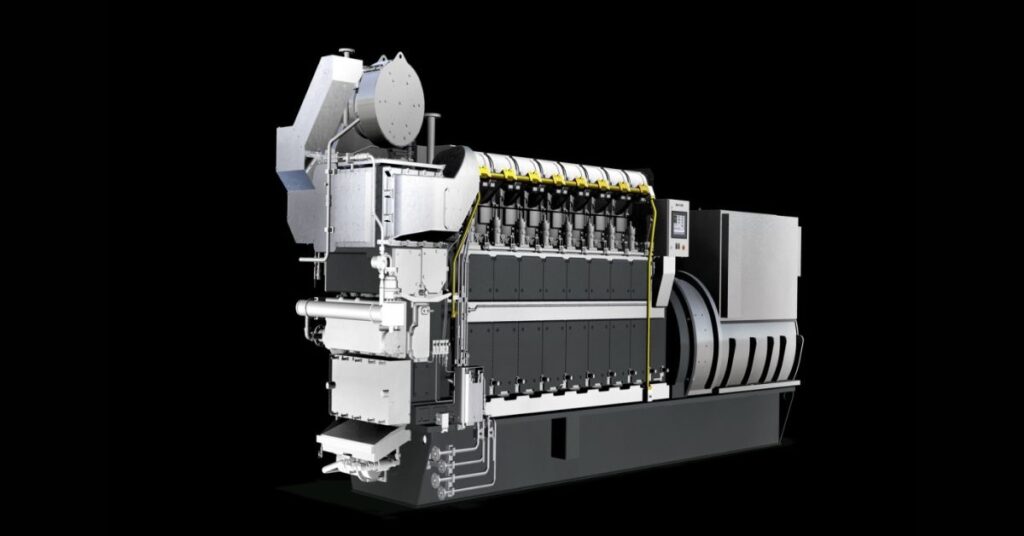
Everllence, the German engine maker formerly known as MAN, has achieved a key milestone by successfully testing an ethanol-fuelled version of its 21/31 dual-fuel engine at its Frederikshavn facilities. The company, which introduced the industry’s first small-bore, four-stroke methanol engine in 2024—the 21/31DF-M—has several such units already operating commercially. Building on the same platform, engineers
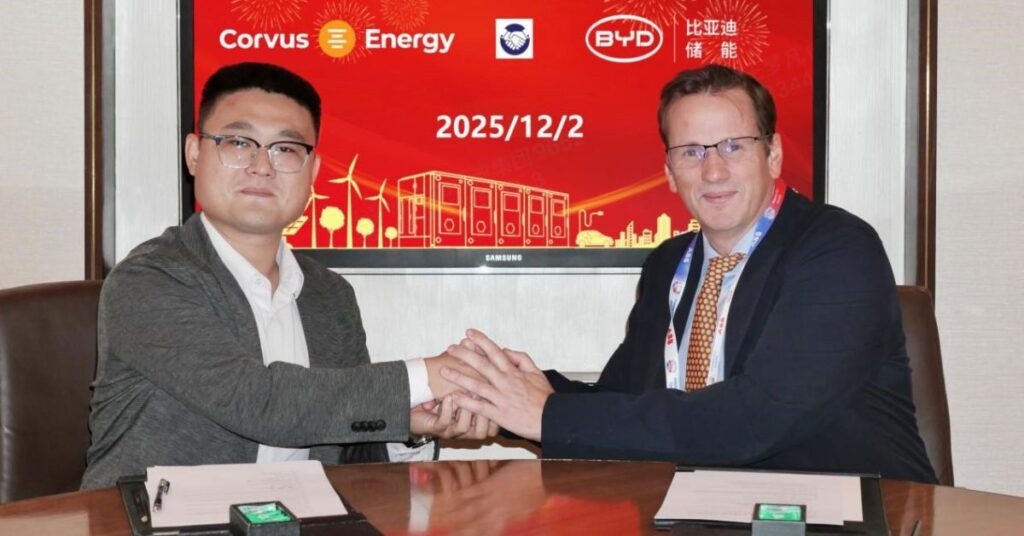
BYD Energy Storage and Corvus Energy AS have signed a Memorandum of Understanding (MoU) to pursue a strategic collaboration focused on accelerating the development and deployment of advanced battery technologies for the maritime sector. Scope of the Collaboration Under the MoU, the two companies will combine BYD Energy Storage’s large-scale manufacturing capabilities and experience in