

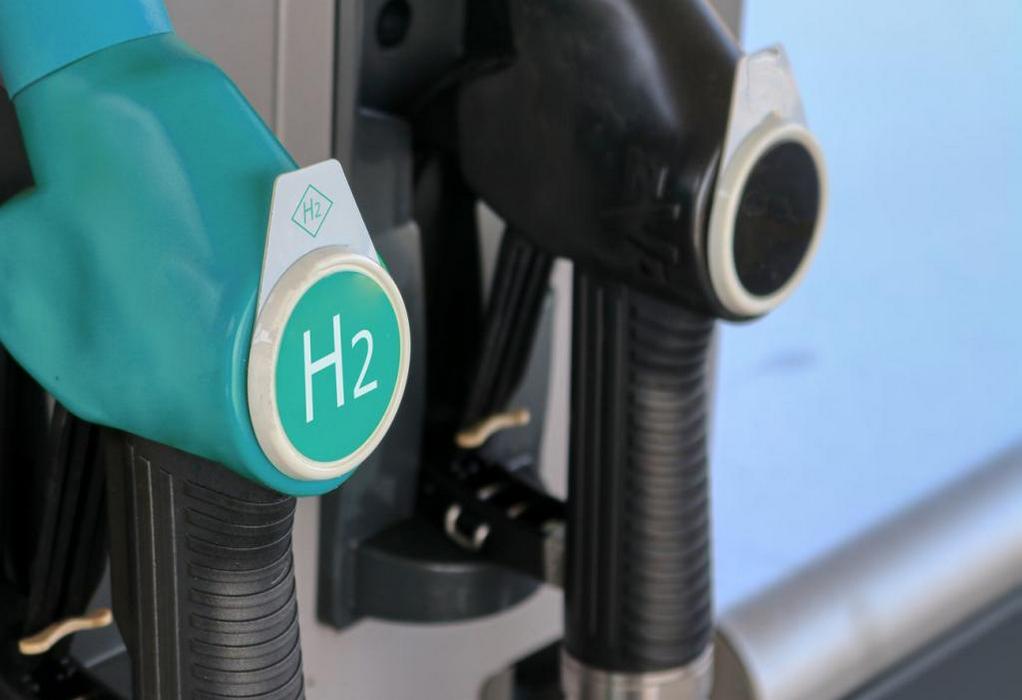
Investments to the tune of $10 trillion (Rs 744 lakh crore) in the hydrogen sector by 2050 will pull down the cost of the fuel and disrupt the energy sector, according to a new analysis. Hydrogen will be cheaper by 95 per cent by mid-century, according to the analyst group Rethink Energy. The impending hydrogen


India’s Reliance Industries Ltd. has signed a memorandum of understanding with the Gujarat state government to invest Rupee 5 trillion ($67.71 billion) into renewable energy and renewable hydrogen assets, the company said Jan. 13. RIL would invest an additional Rupee 600 billion in component manufacturing for solar PV modules, including polysilicon, wafer, cell and module

India’s gross domestic product (GDP) is projected to grow between $8.5 trillion and $10 trillion by 2030. We can expect every budget in the intervening years to provide the platform to propel the economy at the required rate, but each will have its context. This year’s budget comes at a time when the context is

The conglomerate led by Mukesh Ambani, Asia’s richest man, announced plans to invest $76 billion toward clean energy projects, dwarfing an earlier commitment of $10 billion by the world’s biggest fossil-fuel billionaire. Reliance Industries Ltd., controlled by Ambani, has signed pacts with the state government of Gujarat for a total investment of 5.96 trillion rupees

Nippon Yusen Kaisha of Japan and Norway’s Knutsen Group of Norway have established a joint venture company for the commercial development of a liquefied CO2 marine transportation and storage business worldwide using the Knutsen developed technology PCO2 which allows transport of liquified CO2 at ambient temperatures. NYK and the Knutsen will each hold 50% stakes
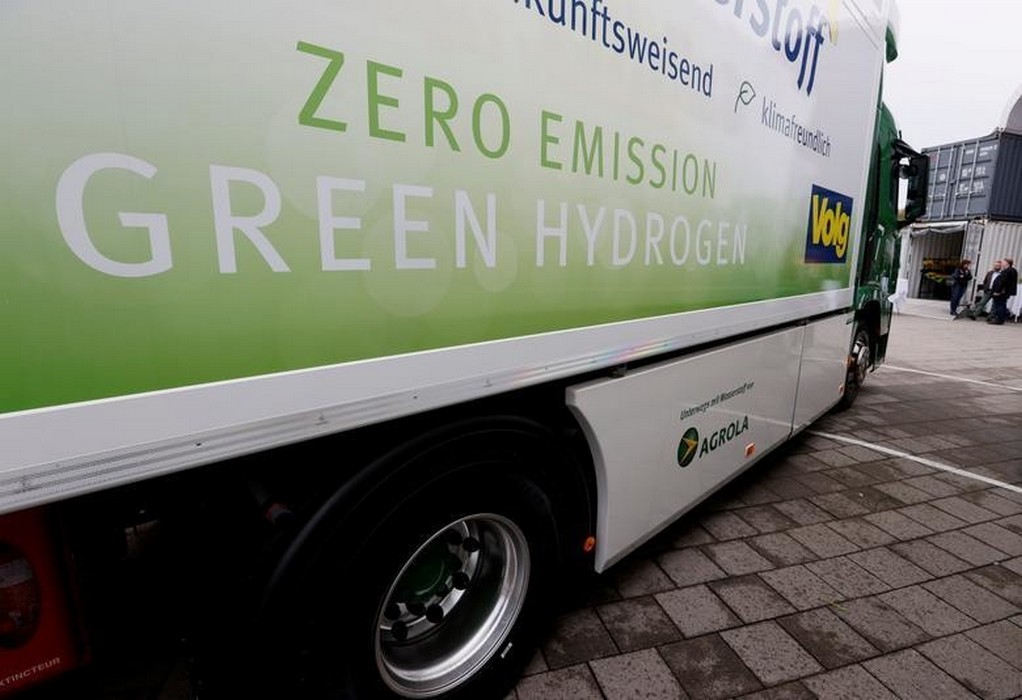
The role of transport was front and center at COP26 in Glasgow, Scotland. Leaders from nations, cities, international organizations, NGOs – and notably the private sector – zeroed in on the role of transport as one of three critical sources of carbon emissions as well as the only sector still increasing in its greenhouse gas
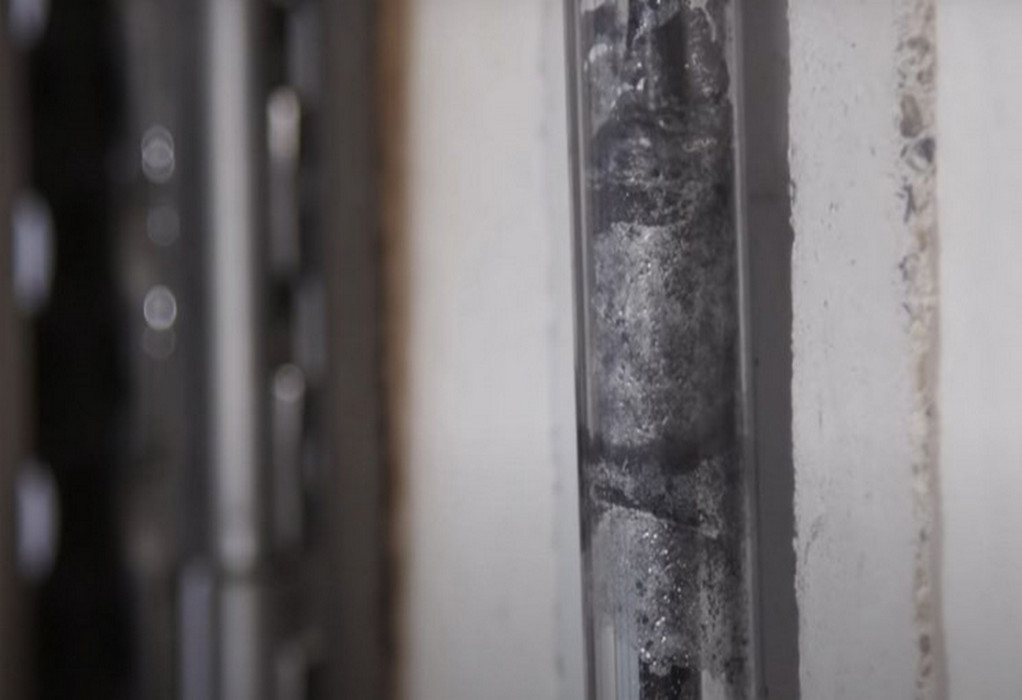
A new decarbonisation technology developed by RMIT University researchers in Australia instantaneously turns CO2 into solid carbon, a press statement reveals. The team claims their method is commercially viable and that it could soon be deployed in aid of global efforts to reduce the ongoing effects of the climate crisis. A ‘radically more efficient’ method

An 85,000 dwt methanol-fuelled bulk carrier has been designed in a joint development project between Singapore-based shipowner SDTR Marine, American class society ABS, and the Shanghai Merchant Ship Design & Research Institute (SDARI). Under the partnership, SDTR supplied operational data and SDARI developed the design with ABS support and review. ABS also provided an analysis

Union Minister of State in the Ministry of Petroleum & Natural Gas Rameswar Teli said that years of research has gone into the technology of blending of ethanol with Petrol and it is a proven technology. Many studies to prove the efficacy of Ethanol blended Petrol have been carried out jointly with the Original Equipment

The transition to clean energy required to prevent temperatures from rising swiftly could shave 2% off global GDP by 2050 but is likely recoverable before the end of the century, a report by natural resources consultancy Wood Mackenzie said on Thursday. While investments in technologies like solar and wind farms, advanced batteries will generate jobs,