
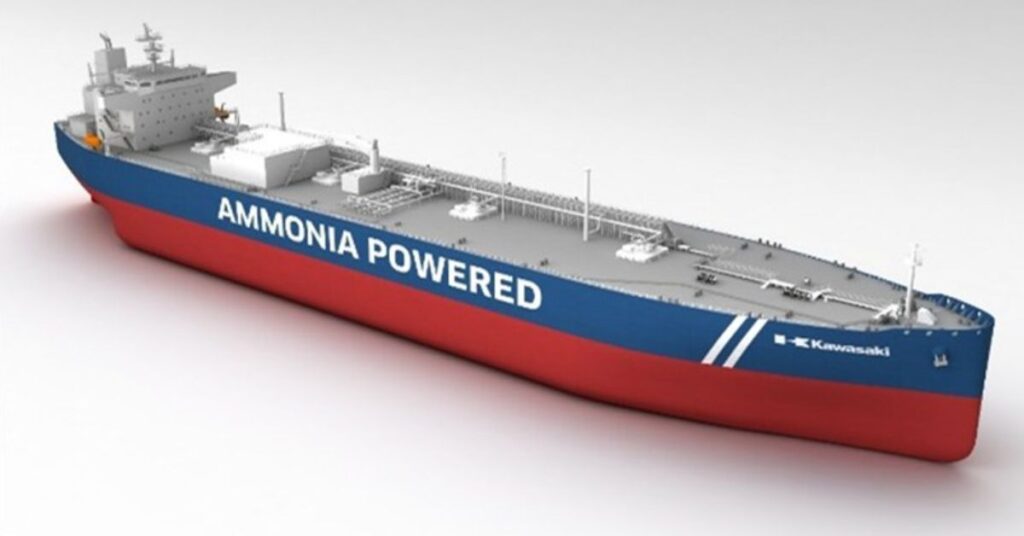
Classification society ClassNK has issued an Approval in Principle (AiP) for the design of an ammonia-fuelled LPG/NH₃ carrier. The application was submitted jointly by Kawasaki Heavy Industries, Ltd. and MITSUI E&S Co., Ltd. The approval confirms the feasibility of the design from both regulatory and safety perspectives. Ammonia is increasingly being studied as a zero-carbon

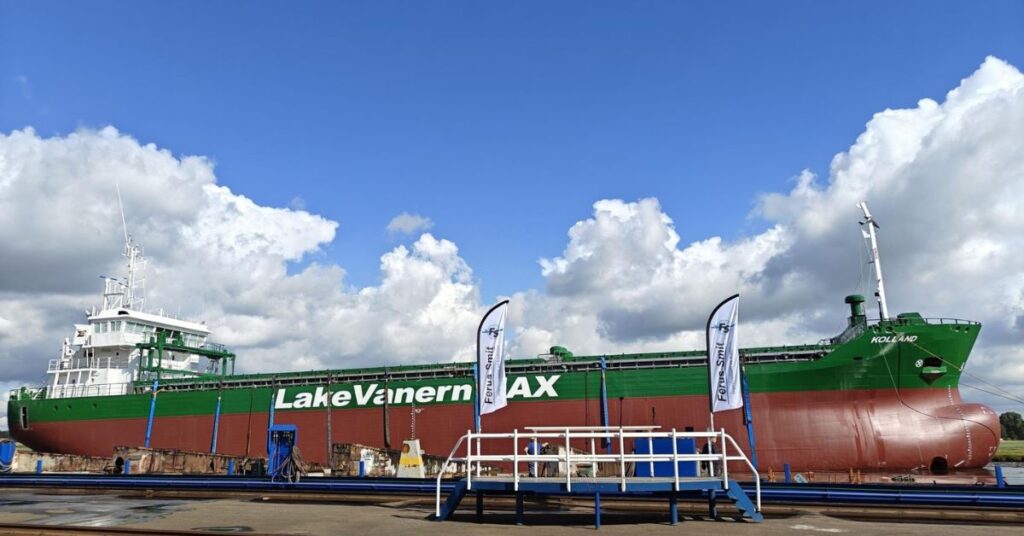
Erik Thun AB has launched its latest vessel in the Lake Vänern Max series at the Ferus Smit shipyard in the Netherlands. The launching ceremony for the 5,100 dwt vessel, named Kolland, took place in Westerbroek on September 5, 2025. Kolland is the fifth in a planned series of six vessels developed to enhance sustainable
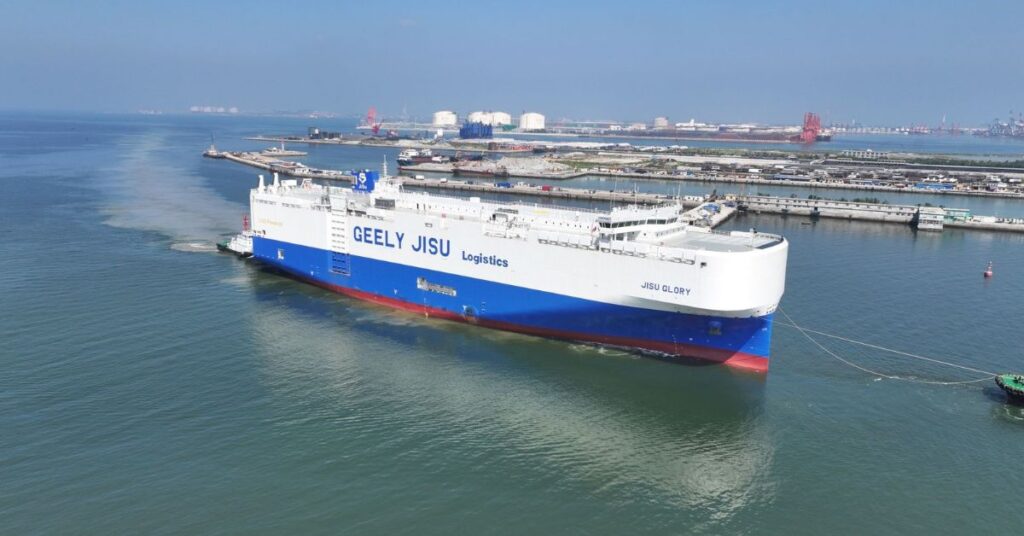
Zodiac Maritime has taken delivery of the Jisu Glory, the last in a series of 7,000 CEU dual-fuel pure car and truck carriers (PCTCs) constructed by CIMC Raffles, a subsidiary of China International Marine Containers (CIMC). The handover took place on September 8, according to the shipbuilder. The delivery concludes a program of ten dual-fuel
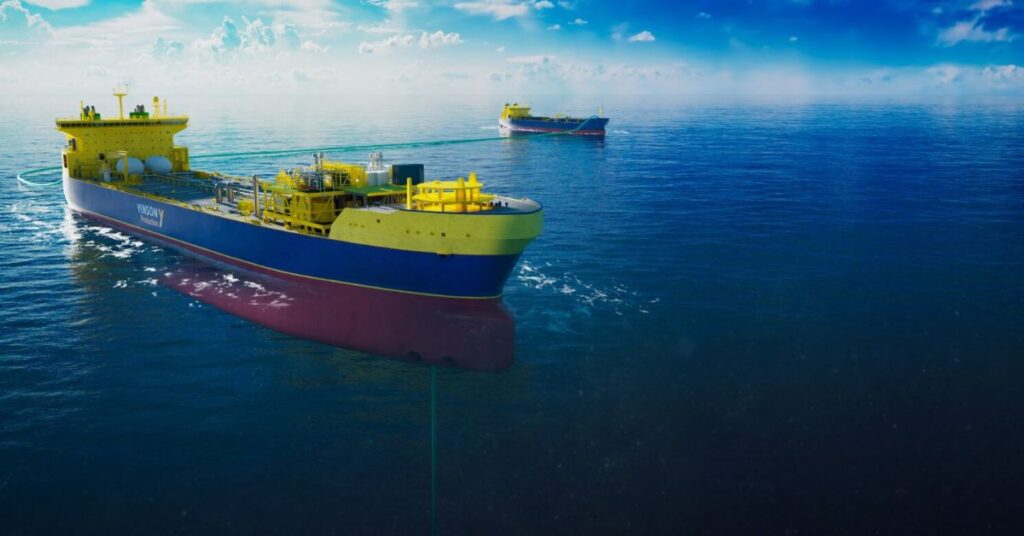
K Line Energy Shipping (UK) Limited (KLES), a London-based subsidiary of Kawasaki Kisen Kaisha (K Line), has signed a memorandum of understanding (MoU) with Havstjerne ANS (HANS), a partnership between Harbour Energy Norge and Stella Maris CCS, a subsidiary of Yinson Production. The agreement sets out cooperation on developing transportation, injection, and storage solutions for
The Methanol Institute has disclosed a new partnership that will address maritime safety, environmental protection, research into the use of methanol as a marine fuel, pilot projects in Saudi Arabia, and training and knowledge exchange. “With Saudi Arabia’s maritime sector growing under Vision 2030, and the Gulf emerging as a hub for methanol, partnerships like
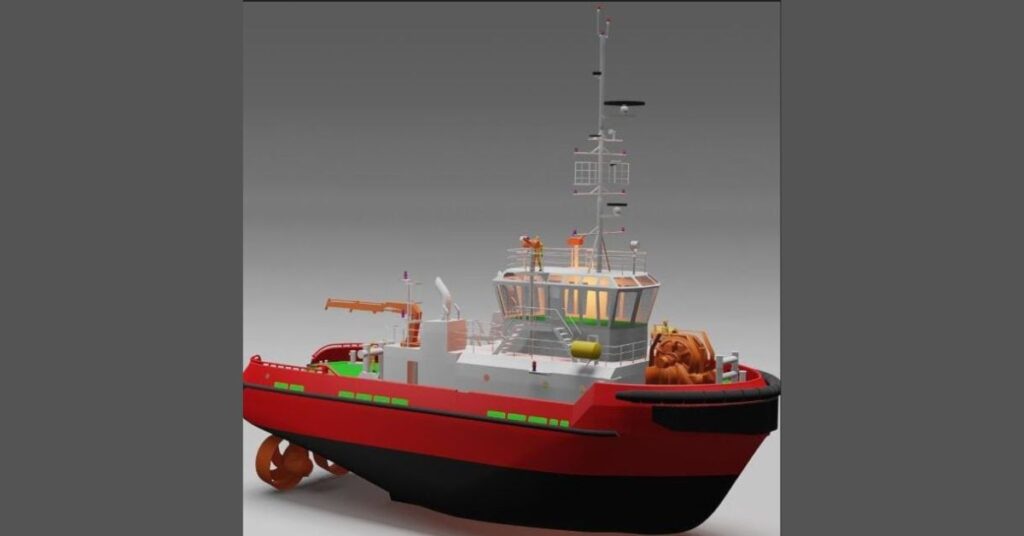
Kongsberg Maritime has secured a contract to deliver a fully integrated equipment package for what is described as India’s first electric tug, a project positioned under the country’s Green Tug Transition Programme (GTTP). The initiative is regarded as the world’s first complete electrical tug integration and forms part of India’s wider maritime decarbonisation plans. The
The American Bureau of Shipping (ABS) has released the second volume of its study on energy storage, assessing the role of advanced battery technologies in supporting electrification, integration of alternative fuels, and cost reduction in vessel operations. The report, Emerging Battery Technologies in the Maritime Industry Volume II, evaluates safety considerations in new battery systems,
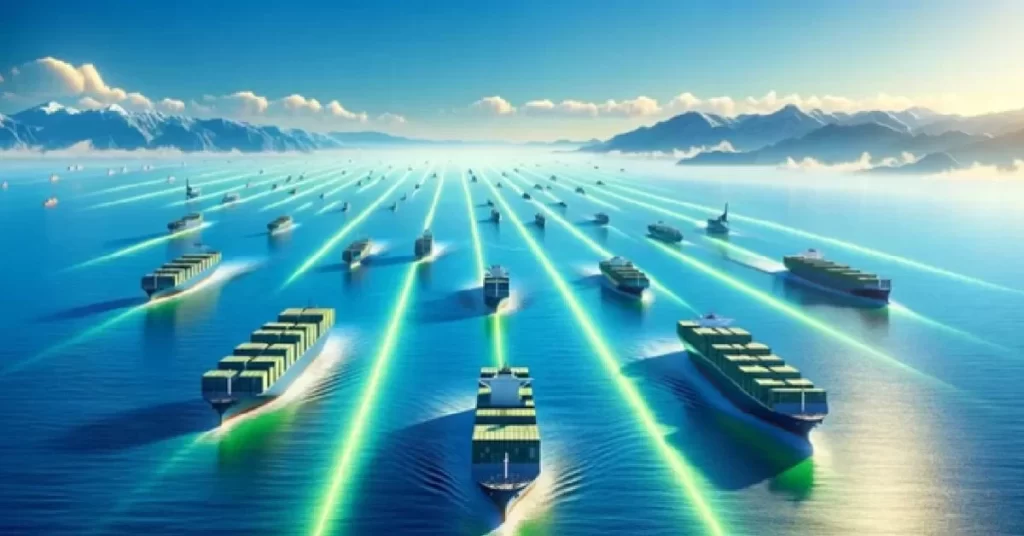
Singapore and India have signed a memorandum of understanding (MoU) to develop a Green and Digital Shipping Corridor (GDSC), advancing cooperation in maritime decarbonization and digitalization. The agreement was exchanged in New Delhi on September 4, 2025, during Prime Minister Lawrence Wong’s official visit, in the presence of both countries’ leaders. Under the MoU, the
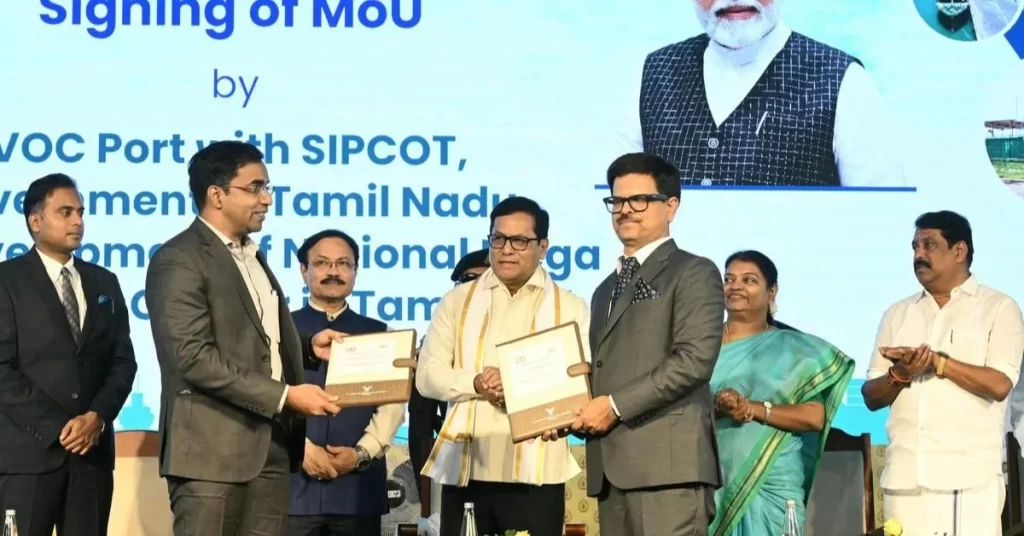
Union Minister of Ports, Shipping and Waterways Sarbananda Sonowal on Friday inaugurated a green hydrogen pilot plant and laid the foundation for several port projects at V O Chidambaranar (VOC) Port, Tamil Nadu. With a capacity of 750 m3, the project supports the use of alternative fuels, aligns with the planned Coastal Green Shipping Corridor
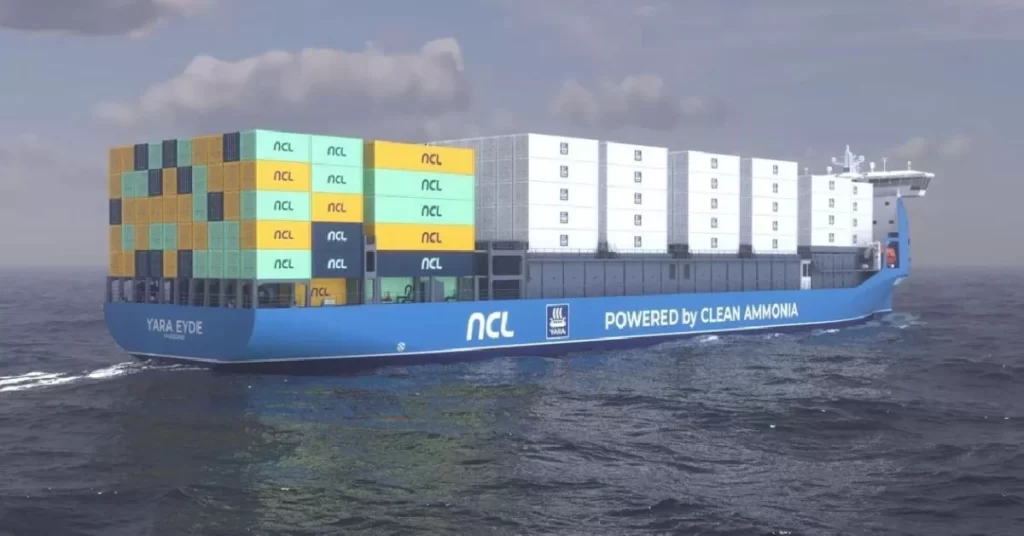
Construction has officially begun in China on what is expected to be the world’s first ammonia-fuelled containership, nearly two years after the project was first announced. The vessel, named Yara Eyde, is being developed by CMB.TECH as part of its push to accelerate decarbonization in shipping. Being built at Qingdao Yangfang Shipbuilding, the 1,400-TEU ice-class containership