


A total of 509 tonnes of sulphur oxides were emitted by the 218 cruise vessels in operation across Europe last year, up from 465 tonnes of emissions linked to the industry in 2019, the last year of normal activity before the pandemic, according to a report by climate lobby group Transport & Environment.

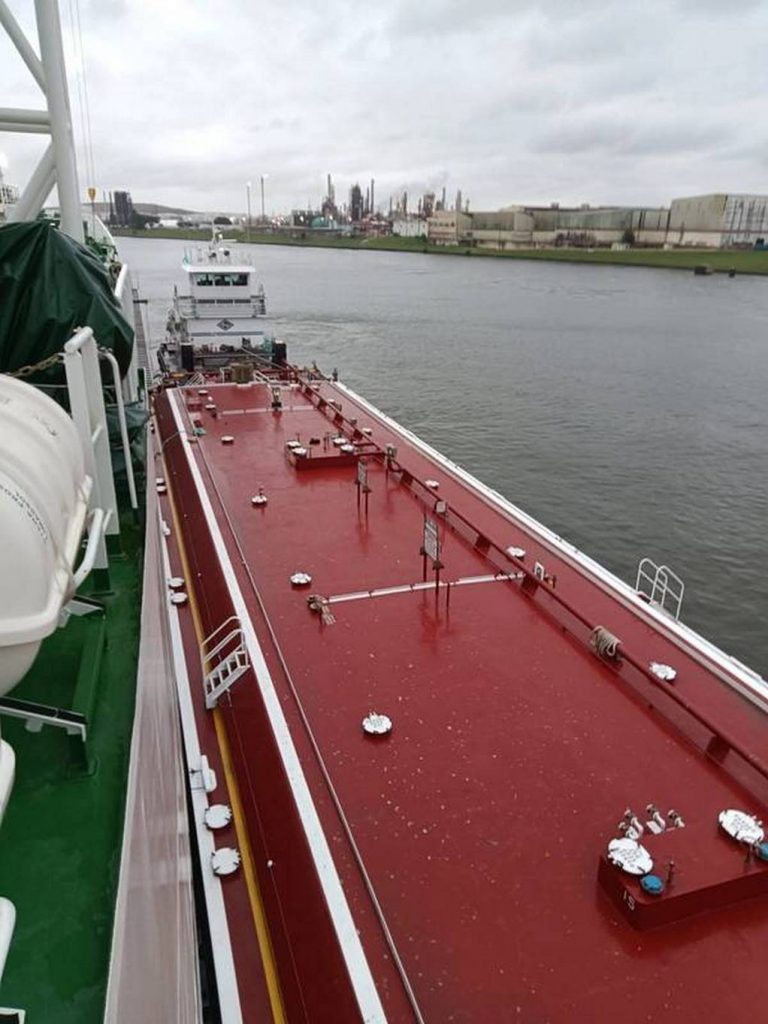
As part of the Joint Development Project (JDP) between the three companies, the MR tanker is designed as a dual-fuel vessel, harnessing the power of marine gas oil (MGO) and methanol.

HVO is a completely fossil-free biofuel made from waste, by-products and derived products not intended for human consumption from the food industry.
The State Government has agreed to invest 50 percent equity in the Project and will extend full cooperation to the company for setting up this plant.

The vessel leaves South Korea for its maiden voyage this summer, sailing to Northern Europe via the Suez Canal, bunkering at several major ports along its journey. OCI is obtaining the approvals and permits required to commercially bunker methanol in several ports on the ship’s voyage, including Port of Rotterdam.
France is attempting to assemble a coalition of dozens of nations to endorse the proposal and has received backing from Japan and Denmark among others.
The agreements were signed on 13 June when the Executive Chairman of Iberdrola, Ignacio Galan, received His Majesty the King of the Netherlands at the Puertollano plant.

The cooperation aims to address the challenges of energy efficiency improvement and emission reduction in the maritime sector to meet the growing demand for decarbonization of vessel

WindGD, jointly developed with MESDU, plan to install the VCR on a vessel powered by an X62DF engine and then rolled out across selected engines of the X-DF engine portfolio.
STASCO has been using Blue Water’s BOSS voyage planning application, which can improve fuel efficiency by between 4-6% and therefore help to curb carbon emissions, for its Crude and Products Time Charter Fleet for the past five years.