

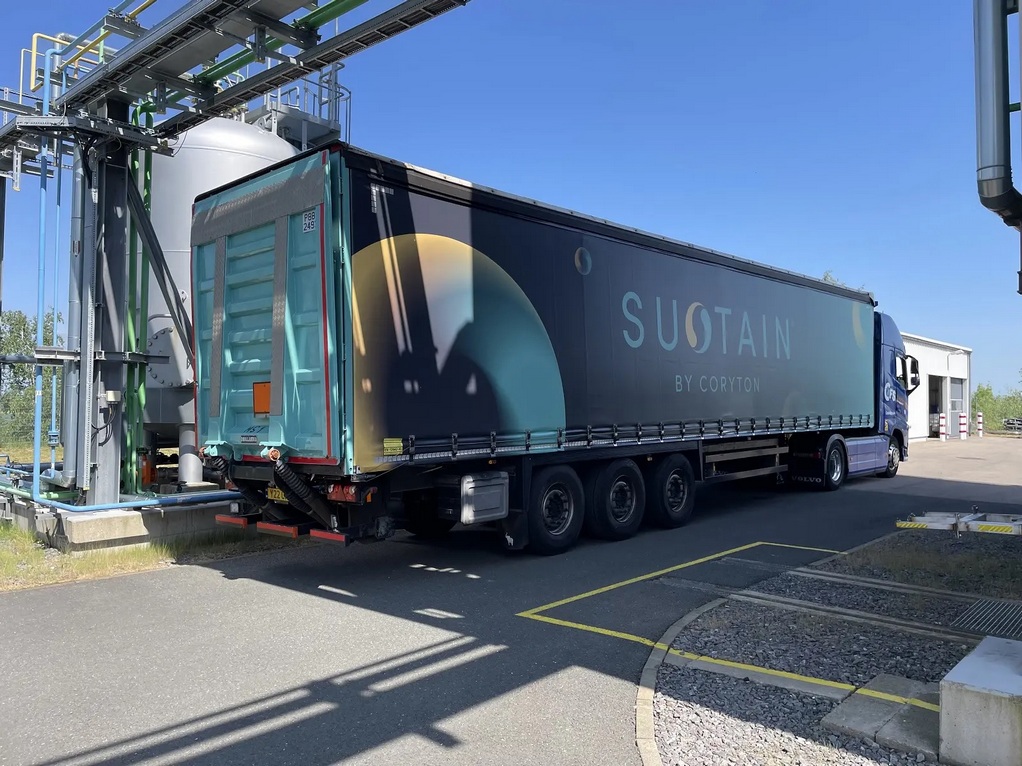
The consortium of research and industry plans to produce a total of 380,000 liters of green fuel (e-fuel) over the course of the next four years.

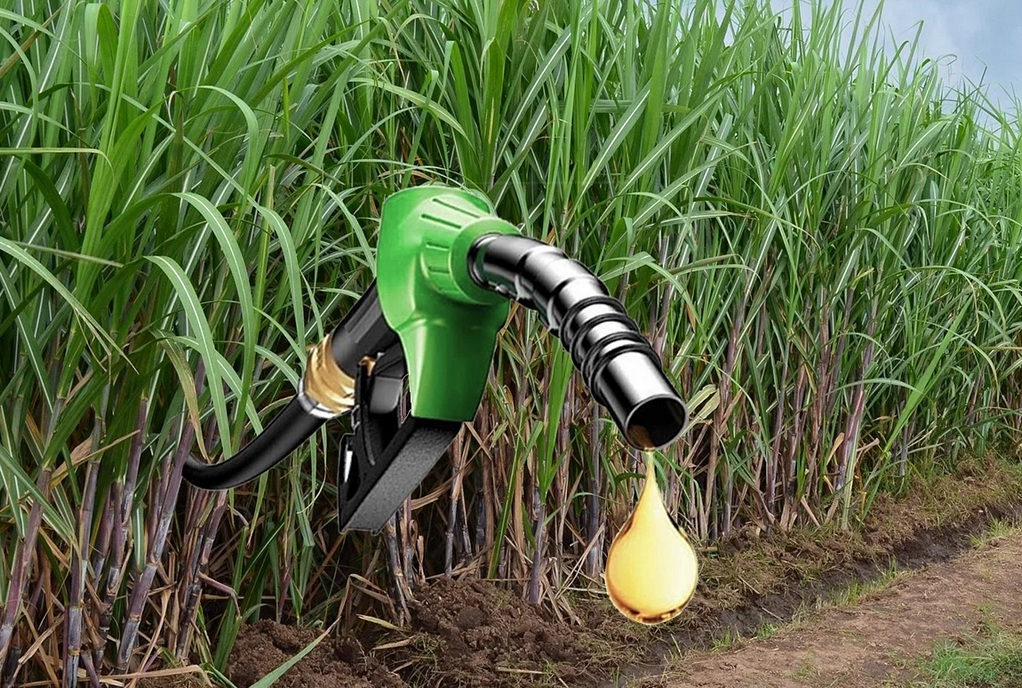
It’s worth noting that the finalized volumes include 15 billion gallons of conventional biofuels, such as corn-based ethanol, in 2023, 2024, and 2025.

Studies have even confirmed that fast-growing trees are often associated with shorter life expectancies.

The vessel will be capable of operating with zero carbon emissions when powered by green methanol and biodiesel. All three vessels will be built by Tsuneishi Shipbuilding.
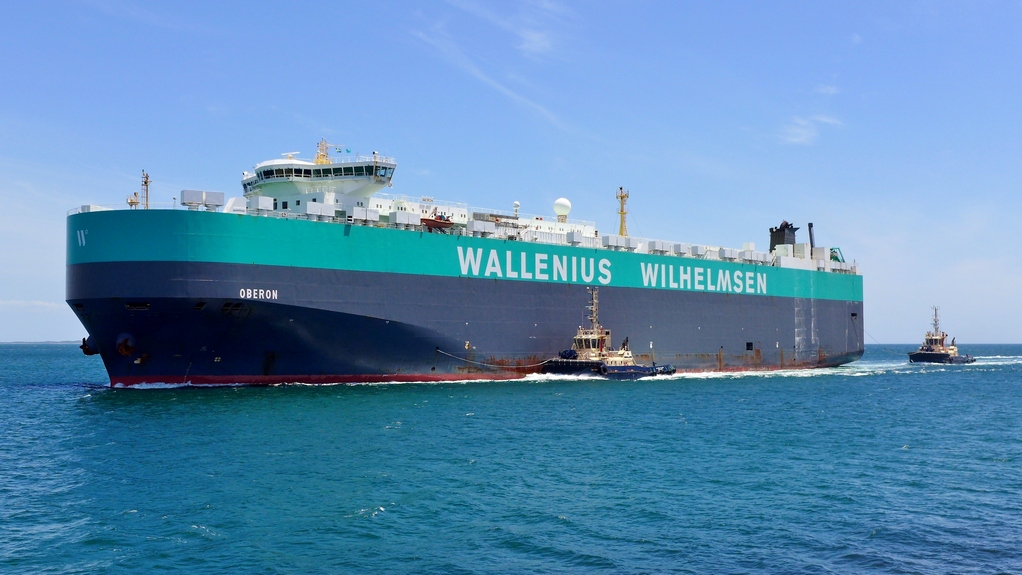
The company reports it is teaming up with ExxonMobil in a sustainable biofuel supply deal. They have contracts for the delivery of biofuel used as a drop-in blend to enhance the environmental performance of the fleet.

Out of 150 LEED Zero certified projects, India accounts for 73 projects (45 per cent) — with Haryana and Tamil Nadu as frontrunners in terms of certifications within India.

OPaL, a joint venture of ONGC, GAIL and GSPC, requires natural gas for operating its own Captive Power Plant (CPP) for supporting its power and steam requirements.

The combined orders for the second quarter comprised about 8 million gallons of biodiesel and future volumes are expected to be increased as OMC procurement processes continue to improve.
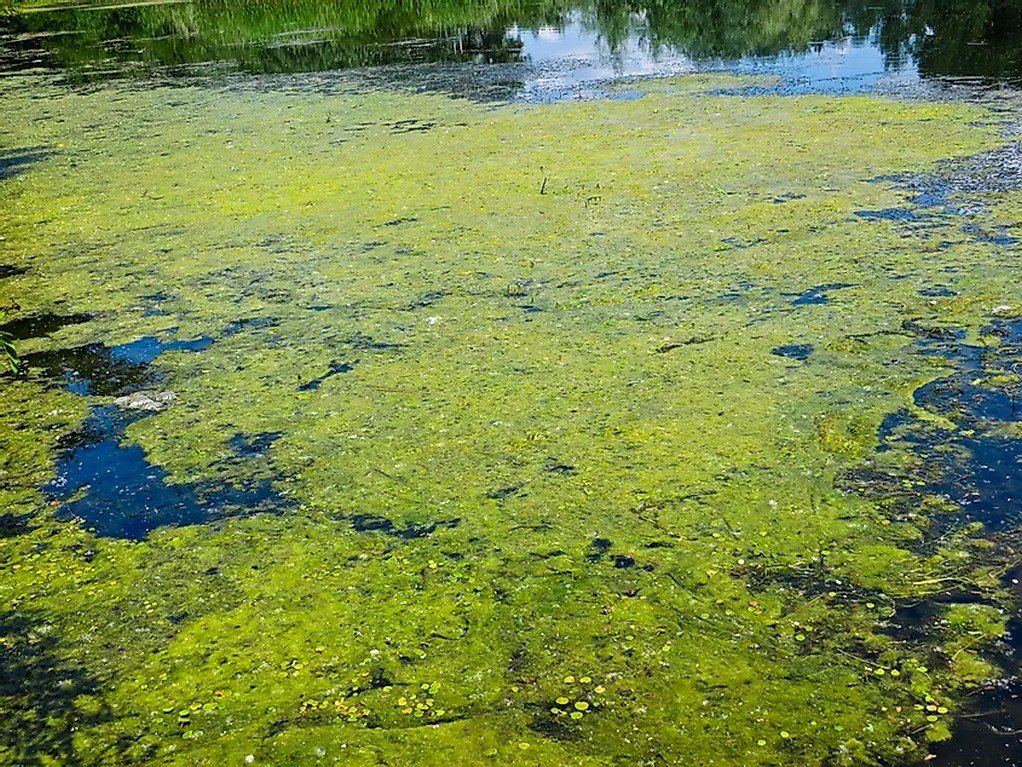
In this new study, Tom Bradley, director of Decerna, a U.K.-based consulting company that specializes in low-carbon economies, and his coauthors partnered with a facility to produce biofuel from phytoplankton at an industrial scale.

The facility will have a capacity of 270 MW when it is fully developed, with a production capacity of 40,000 tonnes of green hydrogen annually.